
Vocabulario para IELTS General (Puntuación 5) - Pensamientos y Decisiones
Aquí, aprenderás algunas palabras en inglés relacionadas con Pensamientos y Decisiones que son necesarias para el examen IELTS General Training.
Revisión
Tarjetas de memoria
formas
Ortografía
Cuestionario


to think rationally and make good judgement

pensando lógicamente
Ante el dilema, ella razonó con calma en lugar de reaccionar impulsivamente.

to examine or study something in detail in order to explain or understand it
analizar
El analista financiero analizará los informes trimestrales de la empresa para evaluar su desempeño.

to focus one's all attention on something specific
concentrar
Se les pidió a los estudiantes que se concentraran durante la conferencia para comprender los conceptos complejos que se explicaban.

to think about something carefully before making a decision or forming an opinion
considerar
Él consideró cuidadosamente todas las ofertas de trabajo antes de tomar una decisión.

to think or believe that something is possible or true, without being sure
suponer
Supongo que el proyecto se completará a tiempo si todos se mantienen en el camino correcto.
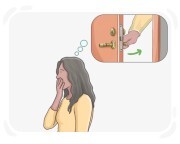
to bring a type of information from the past to our mind again
recordar, acordarse de
Me acuerdo del olor de las galletas recién horneadas en la cocina de mi abuela.
to bring back something from the memory
recordar
En terapia, los individuos pueden trabajar para recordar recuerdos reprimidos para sanar.
to bring to mind past memories or experiences
recordar
El olor de las galletas recién horneadas le hizo recordar momentos cálidos de su infancia.
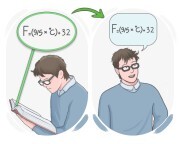
to repeat something until it is kept in one's memory
memorizar
Los estudiantes de idiomas se esfuerzan por memorizar vocabulario para mejorar la fluidez.

to intentionally pay no or little attention to someone or something
ignorar
Es importante no ignorar los primeros signos de un problema potencial para una resolución oportuna.
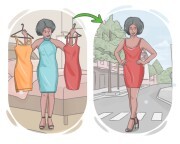
to think carefully about different things and choose one of them
decidir
¿Han decidido una fecha para la reunión?

to decide what we want to have or what is best for us from a group of options
elegir
No podía elegir un libro favorito porque amaba tantos.
to choose someone or something from a group of people or things
seleccionar
La semana pasada, el jurado seleccionó a un presidente para dirigir las deliberaciones.

to choose someone or something out of a group of people or things
escoger
Vamos a elegir una película para ver de las opciones disponibles.

to want or choose one person or thing instead of another because of liking them more
preferir
Él prefiere pasar sus fines de semana leyendo un buen libro en lugar de ir a eventos concurridos.
to have a type of belief or idea about a person or thing
pensar
Yo pienso que la empresa debería centrarse en la sostenibilidad.

to make or have an image of something in our mind
imaginar
A ella le gusta imaginar que viaja a destinos exóticos mientras lee un libro.

to estimate or form a conclusion about something without sufficient information to verify its accuracy
adivinar, estimar
Sin un mapa, tuvimos que adivinar el camino a la playa.
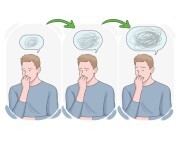
to think too much about something, often making it more complicated than it needs to be
pensar demasiado
Cuando se enfrenta a un desafío, es fácil pensar demasiado e imaginar los peores escenarios.

to think that something is true without having proof or evidence
suponer, presumir
Ayer, él supuso erróneamente que la reunión estaba cancelada.
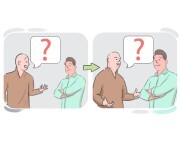
to disregard something as unimportant or unworthy of consideration
ignorar
Es fácil descartar problemas menores, pero pueden acumularse y conducir a problemas mayores.
