pattern

Słownictwo do IELTS General (Wynik 5) - Myśli i Decyzje

Tutaj nauczysz się kilku angielskich słów związanych z Myślami i Decyzjami, które są niezbędne do egzaminu IELTS General Training.

Przegląd

Fiszki

formy

Pisownia

Test

Zacznij naukę
Vocabulary for General Training IELTS (5)
to reason
to reason
[Czasownik]

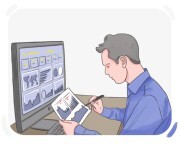
to think rationally and make good judgement

rozumować, argumentować
rozumować, argumentować

Ex: The philosopher reasoned with clarity and precision during the debate. 
to analyze
to analyze
[Czasownik]

to examine or study something in detail in order to explain or understand it

analizować, badać

analizować, badać

Ex: The scientist needed to analyze the data to draw meaningful conclusions from the experiment. 
to concentrate
to concentrate
[Czasownik]

to focus one's all attention on something specific

skoncentrować się,  skupić się

skoncentrować się, skupić się

Ex: During the exam, it's crucial to concentrate on each question to ensure accurate answers. 
to consider
to consider
[Czasownik]

to think about something carefully before making a decision or forming an opinion

rozważać, zastanawiać się

rozważać, zastanawiać się

Ex: I need to consider whether to accept the promotion. 
to suppose
to suppose
[Czasownik]

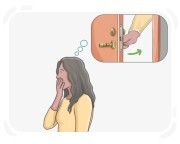
to think or believe that something is possible or true, without being sure

przypuszczać, sądzić
przypuszczać, sądzić

Ex: I suppose she'll be at the meeting since she confirmed her attendance earlier. 
to remember
to remember
[Czasownik]

to bring a type of information from the past to our mind again

pamiętać, przypominać sobie

pamiętać, przypominać sobie

Ex: Can you remember the name of the book we were talking about? 
to recall
to recall
[Czasownik]

to bring back something from the memory

przypominać sobie, wspominać

przypominać sobie, wspominać

Ex: She could recall the details of the conversation with remarkable clarity. 
to recollect
to recollect
[Czasownik]

to bring to mind past memories or experiences

przypominać sobie, wspominać

przypominać sobie, wspominać

Ex: He recollected the lessons his parents taught him when facing difficult situations. 

Przypomniał sobie lekcje, których nauczyli go rodzice, gdy stawał przed trudnymi sytuacjami.
to memorize
to memorize
[Czasownik]

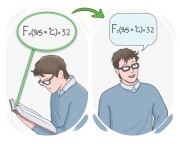
to repeat something until it is kept in one's memory

zapamiętać, nauczyć się na pamięć

zapamiętać, nauczyć się na pamięć

Ex: Last week, he successfully memorized the entire poem for the recitation. 

W zeszłym tygodniu z powodzeniem zapamiętał cały wiersz na recytację.

to ignore
to ignore
[Czasownik]

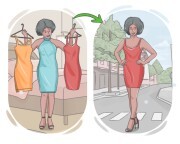
to intentionally pay no or little attention to someone or something

ignorować, nie zwracać uwagi
ignorować, nie zwracać uwagi

Ex: Despite the repeated warnings, he chose to ignore the safety guidelines. 
to decide
to decide
[Czasownik]

to think carefully about different things and choose one of them

decydować, postanawiać

decydować, postanawiać

Ex: He had to decide whether to accept the job offer. 
to choose
to choose
[Czasownik]

to decide what we want to have or what is best for us from a group of options

wybierać, selekcjonować

wybierać, selekcjonować

Ex: When you go shopping, remember to choose quality over quantity. 
to select
to select
[Czasownik]

to choose someone or something from a group of people or things

wybierać, selekcjonować

wybierać, selekcjonować

Ex: Right now, the HR department is actively selecting candidates for the job interviews. 
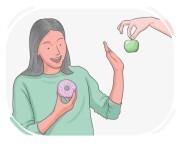
to pick
to pick
[Czasownik]

to choose someone or something out of a group of people or things

wybierać, selekcjonować
wybierać, selekcjonować

Ex: She carefully picked a ripe apple from the tree. 
to prefer
to prefer
[Czasownik]

to want or choose one person or thing instead of another because of liking them more

preferować, woleć

preferować, woleć

Ex: She prefers the blue dress for the party because it's her favorite color. 
to think
to think
[Czasownik]

to have a type of belief or idea about a person or thing

myśleć, wierzyć

myśleć, wierzyć

Ex: He thinks that the restaurant serves the best pizza in town. 
to imagine
to imagine
[Czasownik]

to make or have an image of something in our mind

wyobrażać sobie, imagować

wyobrażać sobie, imagować

Ex: As a child, he used to imagine being a superhero and saving the day. 
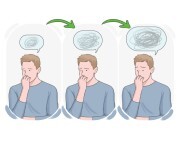
to guess
to guess
[Czasownik]

to estimate or form a conclusion about something without sufficient information to verify its accuracy

zgadywać, przypuszczać
zgadywać, przypuszczać

Ex: Can you guess how many jellybeans are in the jar? 
to overthink
to overthink
[Czasownik]

to think too much about something, often making it more complicated than it needs to be

przemyśliwać, zbyt dużo myśleć

przemyśliwać, zbyt dużo myśleć

Ex: She often overthinks situations, creating unnecessary stress for herself. 

Ona często zbyt dużo myśli o sytuacjach, tworząc niepotrzebny stres dla siebie.
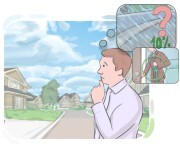
to assume
to assume
[Czasownik]

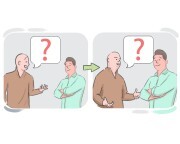
to think that something is true without having proof or evidence

zakładać, przypuszczać
zakładać, przypuszczać

Ex: She often assumes that everyone agrees with her perspective. 
to dismiss
to dismiss
[Czasownik]

to disregard something as unimportant or unworthy of consideration

ignorować, odrzucać

ignorować, odrzucać

Ex: She regularly dismisses suggestions that deviate from the established plan. 
LanGeek
Pobierz aplikację LanGeek
