pattern

IELTS Generalの語彙 (スコア5) - 思考と決断

ここでは、General Training IELTS試験に必要な思考と決定に関連するいくつかの英語の単語を学びます。

レビュー

フラッシュカード

語形

綴り

クイズ

学習を開始
Vocabulary for General Training IELTS (5)
to reason
to reason
[動詞]

to think rationally and make good judgement

論理的に考える, 推論する
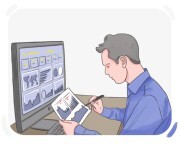
論理的に考える, 推論する

Ex: In times of uncertainty, it's important to take a moment to reason before making decisions. 
to analyze
to analyze
[動詞]

to examine or study something in detail in order to explain or understand it

分析する, 検討する

分析する, 検討する

Ex: The detective spent hours analyzing the evidence to solve the complex case. 
to concentrate

to focus one's all attention on something specific

集中する,  焦点を当てる
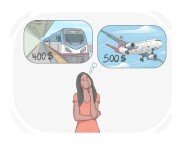
集中する, 焦点を当てる

Ex: She concentrated on solving the math problem, blocking out the background noise in the classroom. 
to consider
to consider
[動詞]

to think about something carefully before making a decision or forming an opinion

考慮する, 検討する

考慮する, 検討する

Ex: Before accepting the job offer, he wanted to consider the benefits and drawbacks. 
to suppose
to suppose
[動詞]

to think or believe that something is possible or true, without being sure

想定する, 推測する
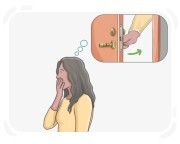
想定する, 推測する

Ex: She didn't suppose that her simple idea would turn into a successful business. 
to remember
to remember
[動詞]

to bring a type of information from the past to our mind again

覚える, 思い出す

覚える, 思い出す

Ex: I'll always remember our graduation day. 
to recall
to recall
[動詞]

to bring back something from the memory

思い出す, 回想する

思い出す, 回想する

Ex: Last night, he recalled a vivid dream that he had forgotten upon waking. 
to recollect
to recollect
[動詞]

to bring to mind past memories or experiences

思い出す, 回想する

思い出す, 回想する

Ex: The author's memoir helped readers recollect the historical events of that era. 

著者の回顧録は、読者がその時代の歴史的な出来事を思い出すのに役立ちました。

to memorize
to memorize
[動詞]

to repeat something until it is kept in one's memory

暗記する, 記憶する

暗記する, 記憶する

Ex: Students often memorize multiplication tables to enhance their math skills. 

生徒は数学のスキルを向上させるために、よく掛け算の表を暗記します。

to ignore
to ignore
[動詞]

to intentionally pay no or little attention to someone or something

無視する, 気にしない
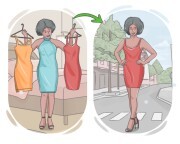
無視する, 気にしない

Ex: She regularly ignores distracting elements to stay focused. 
to decide
to decide
[動詞]

to think carefully about different things and choose one of them

決める, 決定する

決める, 決定する

Ex: Let's decide on a movie to watch tonight. 
to choose
to choose
[動詞]

to decide what we want to have or what is best for us from a group of options

選ぶ, 選択する

選ぶ, 選択する

Ex: We have to choose a destination for our summer vacation. 
to select
to select
[動詞]

to choose someone or something from a group of people or things

選ぶ, 選択する
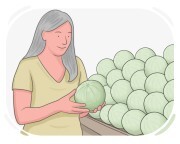
選ぶ, 選択する

Ex: During the meeting, the committee regularly selects a representative to present their findings. 
to pick
to pick
[動詞]

to choose someone or something out of a group of people or things

選ぶ, 選択する
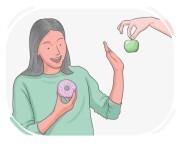
選ぶ, 選択する

Ex: The customer took time to pick the right pair of shoes from the display. 
to prefer
to prefer
[動詞]

to want or choose one person or thing instead of another because of liking them more

好む, 選ぶ

好む, 選ぶ

Ex: Some students prefer studying in a quiet library as opposed to a noisy cafe. 
to think
to think
[動詞]

to have a type of belief or idea about a person or thing

思う, 信じる

思う, 信じる

Ex: She thinks that the book is much better than the movie. 
to imagine
to imagine
[動詞]

to make or have an image of something in our mind

想像する, 思い描く
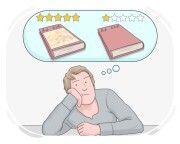
想像する, 思い描く

Ex: Close your eyes and imagine a beautiful sunset over the ocean. 
to guess
to guess
[動詞]

to estimate or form a conclusion about something without sufficient information to verify its accuracy

推測する, 当てる
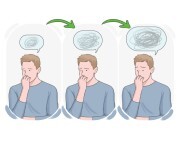
推測する, 当てる

Ex: Let's play a game where you guess the movie from a single screenshot. 
to overthink
to overthink
[動詞]

to think too much about something, often making it more complicated than it needs to be

考えすぎる, 過剰に考える

考えすぎる, 過剰に考える

Ex: Instead of enjoying the moment, she tends to overthink every decision. 

その瞬間を楽しむ代わりに、彼女はすべての決定について考えすぎる傾向があります。
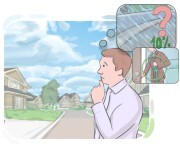
to assume
to assume
[動詞]

to think that something is true without having proof or evidence

仮定する, 想定する
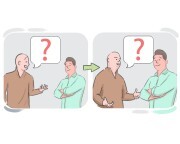
仮定する, 想定する

Ex: They assumed the project would be easy, but it turned out to be quite challenging. 
to dismiss
to dismiss
[動詞]

to disregard something as unimportant or unworthy of consideration

無視する, 却下する

無視する, 却下する

Ex: Teachers must not dismiss students' questions, fostering a supportive learning environment. 
LanGeek
LanGeekアプリをダウンロード