
Lista de Palabras Nivel C1 - Reino Animal
Aquí aprenderás algunas palabras en inglés sobre animales, como "indigenous", "predator", "growl", etc. preparadas para estudiantes de C1.
Revisión
Tarjetas de memoria
Ortografía
Cuestionario

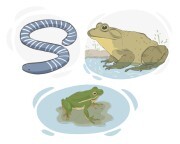
any cold-blooded animal with the ability to live both on land and in water, such as toads, frogs, etc.

anfibio
Los sapos son anfibios similares a las ranas pero con piel seca y verrugosa y patas traseras más cortas, adaptadas para saltar en lugar de brincar.
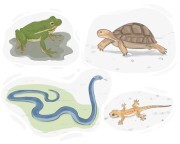
describing an animal that its body temperature changes depending on the temperature of its surroundings
de sangre fría
Inmóviles en las orillas de los ríos, los cocodrilos, reptiles de sangre fría, absorben el calor del sol.
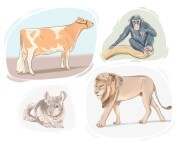
describing an animal that is able to maintain a higher body temperature than its surroundings
de sangre caliente
Los humanos, siendo mamíferos de sangre caliente, han evolucionado mecanismos sofisticados para la regulación de la temperatura.
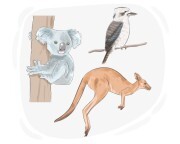
(of animals and plants) found and developed only in a particular place and not been brought from elsewhere
indígena
El águila calva es un ave de presa indígena de América del Norte, que simboliza fuerza y libertad.
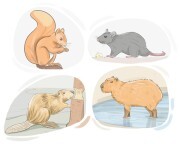
any small mammal with a pair of strong front teeth, such as mice, hamsters, rats, etc.
roedor
Las ardillas, aunque a menudo se consideran lindas, también son roedores que desempeñan roles cruciales en los ecosistemas forestales.
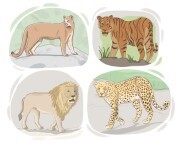
an animal that hunts, kills, and eats other animals
depredador
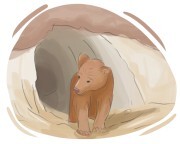
the hidden place where a wild predatory animal lives
guarida
Los tejones crean madrigueras subterráneas intrincadas llamadas setts, que sirven como espacios de vida comunal para grupos familiares extensos.
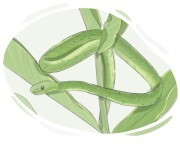
to blend in with the surroundings to avoid being seen or detected
camuflar
Las aves a menudo camuflan sus nidos para proteger sus huevos.

(of animals, particularly dogs) to make a rumbling sound from the throat as a sign of warning
gruñir
La osa protectora gruñó ante cualquier amenaza percibida hacia sus crías.
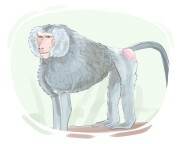
a large monkey with a doglike face and large teeth, native to Africa and South Asia
babuino
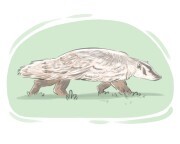
a nocturnal animal belonging to the weasel family with short legs and gray fur
tejón
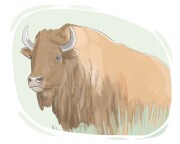
a large wild plant-eating animal belonging to the cow family with curved horns, native to Africa and Asia
búfalo
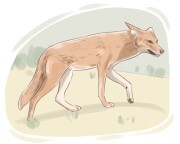
a North American wild animal that resembles a small wolf
coyote
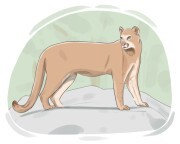
a large wild cat with a tawny fur that lives in mountains, native to the Americas
puma
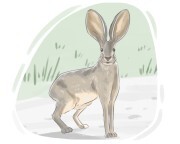
a rabbit-like animal with long legs and ears, which can run very fast
liebre
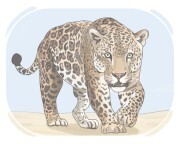
a large wild animal belonging to the cat family with a yellow fur covered with black spots, native to Central and South America
jaguar
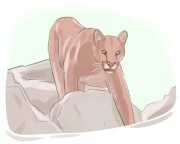
a large wild cat with brown or gray fur, native to North and South America
pantera
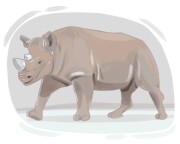
a very large mammal with a thick gray skin and one or two horns on its nose, feeding on plants, which is native to Africa and Southern Asia
rinoceronte
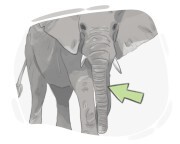
the nose of an elephant that is in the shape of a long hose
trompa
La trompa del elefante cumple múltiples funciones, actuando como un esnórquel al nadar y como una herramienta para la comunicación y la recolección de alimentos.
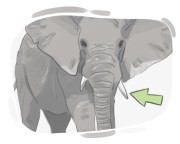
each of the curved pointy teeth of some animals such as elephants, boars, etc., especially one that stands out from the closed mouth
colmillo
Con un suave empujón, el elefante usó sus colmillos para ayudar a un compañero caído a ponerse de pie.
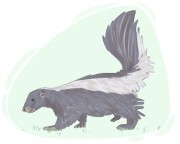
a small mammal belonging to the weasel family with black and white stripes that can produce a strong unpleasant smell when attacked, native to North America
mofeta
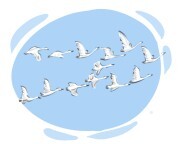
a group of birds that live, feed, or move together
bandada
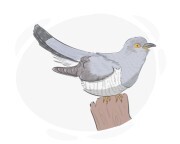
a medium-sized bird with a grayish-brown plumage that lays its eggs in the nests of other birds
cuco
El canto distintivo del cuco servía como un despertador natural, despertando al bosque con su alegre melodía.
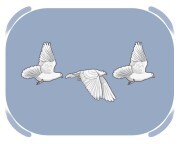
a bird that looks like a pigeon but smaller, the white one of which is the symbol of peace
paloma
La novia soltó un par de palomas al aire, simbolizando la paz y el amor mientras volaban hacia la distancia.
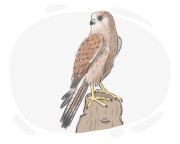
a predatory fast-flying bird that can be trained for hunting
halcón
El halconero soltó al halcón encapuchado de su percha, observando con asombro cómo se elevaba hacia el cielo.
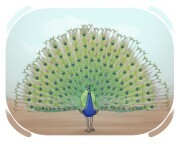
a male bird with a large shiny colorful tail having eyelike patterns that can be raised for display
pavo real
El fuerte llamado del pavo real resonó por el bosque, anunciando su presencia a posibles parejas.
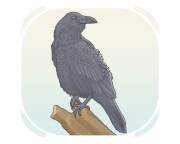
a large black bird belonging to the crow family with shiny feathers and a loud unpleasant call
cuervo
La inteligencia del cuervo era evidente mientras resolvía acertijos para recuperar golosinas escondidas por los investigadores.
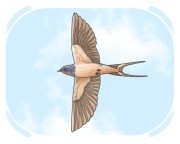
a small, fast-flying bird with long pointed wings, a short bill, and usually a forked tail
golondrina
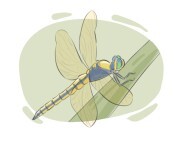
a flying insect with a pair of colorful wings, mostly found around rivers
libélula, caballito del diablo
Los ojos multifacéticos de la libélula le permitían ver en todas direcciones, escaneando su entorno en busca de presas potenciales.
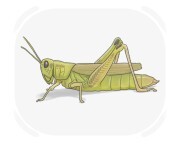
a leaping, flying insect with long back legs that feeds on plants and makes a chirping sound
saltamontes
A medida que el verano menguaba, el saltamontes almacenaba energía para los meses más fríos que se avecinaban, disfrutando de hojas tiernas y brotes.
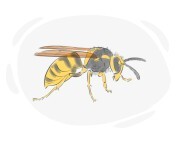
a winged insect with a powerful sting and black and yellow colors
avispa
El nido de avispas colgaba como un farol de papel de los aleros de la casa, un testimonio de la naturaleza industriosa del insecto.
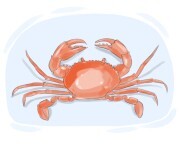
a sea creature with eight legs, two pincers, and a hard shell, which is able to live on land
cangrejo, jaiba
A medida que las olas retrocedían, el cangrejo emergió de su madriguera arenosa, ansioso por buscar comida a lo largo de la orilla.
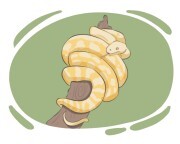
a large tropical snake that is non-venomous and kills its prey by squeezing it
pitón
Las escamas con patrones fascinantes del pitón brillaban bajo la luz del sol, mezclándose perfectamente con su entorno.
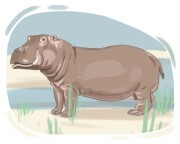
a large African mammal with a thick gray skin, big jaws and tusks that lives near water
hipopótamo

a large, black-and-white marine mammal known for its social behavior, intelligence, and adaptability, found in oceans worldwide and known as an apex predator
orca, ballena asesina
