
Vocabulario de Vehículos No Motorizados - La Bicicleta de Rueda Alta
Revisión
Tarjetas de memoria
formas
Ortografía
Cuestionario


an old-fashioned bicycle with a very large front wheel and a much smaller back wheel

biciclo, velocípedo
Se vistió con ropa vintage y montó un biciclo en el desfile.
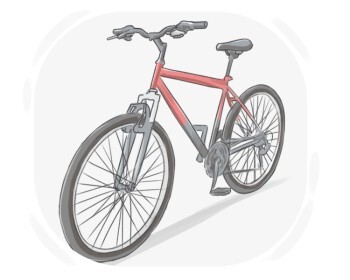
a vehicle with two wheels that we ride by pushing its pedals with our feet
bicicleta
any of the circular objects typically found under vehicles like cars, bicycles, buses, etc., used to make movement possible by turning
rueda, llanta
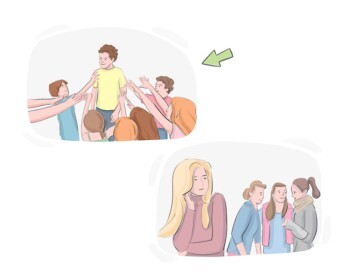
receiving a lot of love and attention from many people
popular
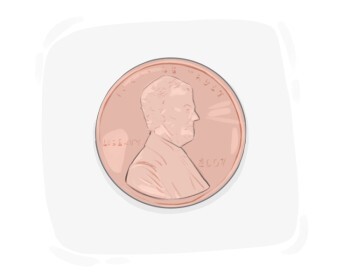
a small, flat piece of metal issued by a government and used as money
moneda
to resemble a thing or person in appearance
parecerse a, tener aspecto de
Ella se parece a su abuela desde que era niña.
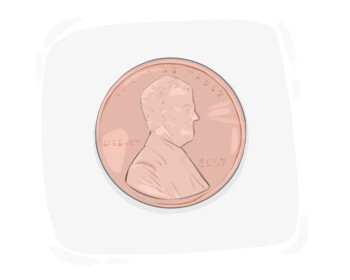
a US coin worth one cent, or one hundredth of a dollar
centavo, céntimo
a former British coin worth one-quarter of an old penny, withdrawn in 1961
farthing, una antigua moneda británica que valía un cuarto de un penique antiguo
El tendero se negó a aceptar un farthing, ya que ya no estaba en circulación.

an old type of bicycle that is moved forward by pedal
velocípedo
El velocípedo tenía ruedas delanteras grandes y ruedas traseras pequeñas.

a flat part of a bicycle or machine that is pushed with the foot to make it move or operate. It is typically circular and part of the mechanism that drives motion
pedal, pedalier
Presionó el pedal con más fuerza para acelerar.
to keep something in a stable and even position, typically by adjusting or redistributing weight
equilibrar, mantener en equilibrio
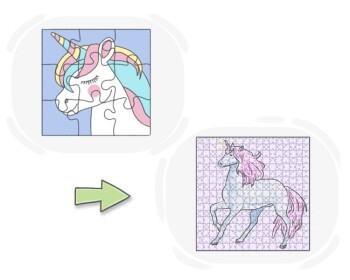
difficult to do or handle and requiring skill or caution
complicado
Navegar por un laberinto de callejones estrechos en la ciudad vieja puede ser complicado sin un mapa.
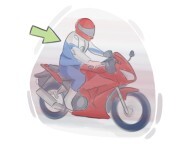
to sit on open-spaced vehicles like motorcycles or bicycles and be in control of their movements
montar, conducir
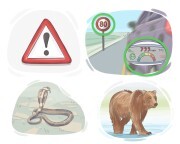
capable of destroying or causing harm to a person or thing
peligroso
Ella es alérgica a las abejas; una picadura puede ser peligrosa para ella.
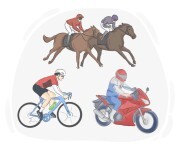
a person who rides a bicycle, motorcycle, horse, or other animal
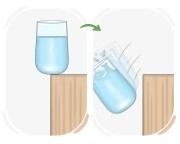
to quickly move from a higher place toward the ground
caerse
used to indicate that despite a certain fact or situation mentioned in the first clause, the second clause follows
aunque, a pesar de que
Aunque estaba cansado, se quedó despierto hasta tarde para terminar el proyecto.
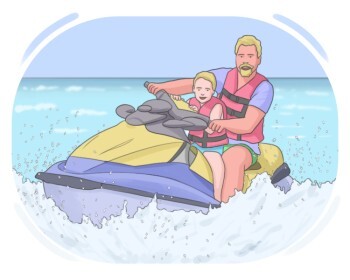
making us feel interested, happy, and energetic
emocionante
El espectáculo de fuegos artificiales fue realmente emocionante e iluminó todo el cielo.
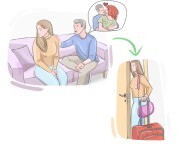
to be the cause of something
conducir, llevar
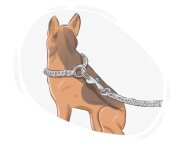
a line of metal rings or links connected together, often used for fastening or pulling
cadena, eslabón
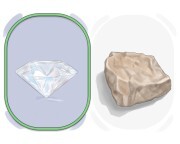
happening infrequently or uncommon in occurrence
raro

to gather together things from different places or people
juntar
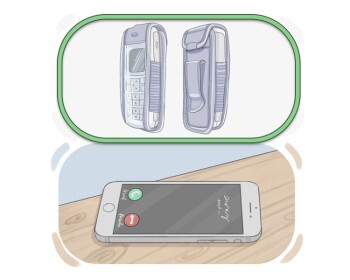
no longer used, supported, etc. by the general public, typically belonging to an earlier period in history
pasado de moda
El vestido anticuado de su abuela, con su cuello alto y adornos de encaje, reflejaba una época pasada de la moda.
| Vocabulario de Vehículos No Motorizados | |||
|---|---|---|---|
| Bicicleta | Rickshaw | Carro | Segway |
| Carruaje | Trineo de Perros | Monociclo | Patinete |
| Velocípedo | Trineo de Patada | Draisina | Carreta de bueyes |
| Trikke | La Bicicleta de Rueda Alta | Travois | Handcycle |
| Kickbike | Velomóvil | Bicitaxi | Bicicleta Tándem |
