
علوم پایه - زیستشناسی سلولی
اصطلاحات مربوط به ساختارهای سلولی، اندامکها، تقسیم، فرایندهای سلولی، بافتها و سازمانیابی سلولهای عصبی را مطالعه کنید.
مرور
فلشکارتها
املای کلمه
آزمون
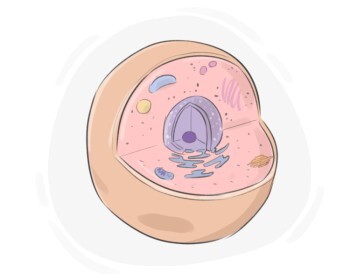
an organism's smallest unit, capable of functioning on its own

سلول

the gel-like, semifluid substance within a cell that surrounds the organelles, providing a medium for cellular activities, including metabolism, transport of substances, and support for cellular structures
سیتوپلاسم
این یک ماده ژل مانند است که اندامکهای مختلف را در خود جای داده و به آنها اجازه میدهد در داخل سلول شناور باشند.
a pair of small cylinders near the nucleus in animal cells, organizing cell division by forming the mitotic spindle
سانتریول
سانتریولها اغلب به صورت جفت یافت میشوند، که با زاویه قائمه نسبت به هم قرار دارند.
(biology) the process where a single cell splits itself into two or more daughter cells
تولیدمثل (زیستشناسی)
در زیر میکروسکوپ، دانشمندان شکافت باکتریایی را مشاهده کردند که در آن یک سلول به دو سلول یکسان تقسیم میشود.
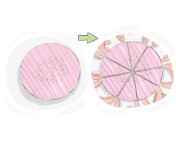
to be separated into parts, groups, etc.
تقسیم شدن, مجزا شدن
(biology) a CD8+ T lymphocyte that recognizes and destroys virus-infected cells by triggering cell death
سلول کشنده, لنفوسیت T سیتوتوکسیک
a type of cell division that creates reproductive cells with half the usual number of chromosomes
میوز, تقسیم سلولی کاهشی
فرآیند میوز شامل دو تقسیم متوالی است که منجر به چهار سلول هاپلوئید غیر یکسان میشود.
a type of cell division that results in the formation of two daughter cells, each having the same number of chromosomes as the parent cell
میوز, تقسیم سلولی برابر
چرخه سلولی شامل مراحلی مانند اینترفاز، پروفاز، متافاز، آنافاز، تلوفاز و سیتوکینز است که به طور جمعی به میتوز کمک میکنند.
a thin layer of living tissue that covers, lines, connects, or separates parts of an organism
غشا, پرده
an organelle that is abundantly present in most cells and is responsible for energy production
میتوکندری
ساختار میتوکندری از یک غشای خارجی، یک غشای داخلی، فضای بین غشایی و ماتریکس تشکیل شده است.
a molecule that forms the basic building block of DNA and RNA, consisting of a sugar, a phosphate group, and a nitrogenous base
نوکلئوتید
ستون فقرات DNA و RNA توسط مولکولهای قند و فسفات در نوکلئوتیدها تشکیل میشود.
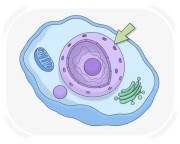
(biology) the part of a cell that contains most of the genetic information
هسته (سلول)
the substance inside the living cells of animals or plants
پروتوپلاسم (ماده اصلی جسم سلولی), جرم زنده
پروتوپلاسم سلول جایی است که بیشتر فرآیندهای بیوشیمیایی در آن اتفاق میافتد.
(biology) a basic cell that can divide and turn into many different specialized cell types
سلول بنیادی, یاخته بنیادی
(biology) a natural cellular process in which a cell degrades and recycles its own damaged components or organelles
خودخواری, اتوفاژی
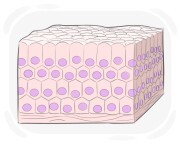
a group of similar cells that work together to form a particular part of a human, animal, or plant
بافت, بافت بدن
(biology) a body tissue that supports, binds, or fills spaces between organs and includes collagen, fat cells, and fibers forming tendons and ligaments
بافت پیوندی
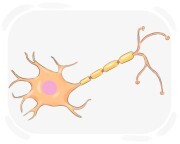
a bundle of fibers that carries signals between the brain or spinal cord and other parts of the body
عصب, رشتهٔ عصبی
a cell that is responsible for transmitting nerve impulses between the brain and the rest of the body
یاخته عصبی, نورون
آسیب به نورونهای حسی میتواند باعث بیحسی در اندامها شود.
(neuroanatomy) the long, single fiber of a nerve cell that carries electrical signals away from the cell body
آکسون, رشته عصبی
(biology) a branched projection on a neuron that receives electrochemical signals from neighboring cells
دندریت
(biology) a nerve ending or cell that detects changes in the environment and sends signals to the nervous system
ارگان پذیرنده
a specialized, membrane-bound structure within a cell that performs specific functions, contributing to the cell's overall structure and function
اندامک
میتوکندری، اندامکهای تولیدکننده انرژی، از طریق تنفس سلولی ATP تولید میکنند.
a tiny structure within cells that assembles proteins by reading the genetic instructions carried by messenger RNA
ریبوزوم
ریبوزومها نقش اساسی در فعالیتهای سلولی دارند با تولید پروتئینهای متنوع مورد نیاز برای ساختار و عملکرد سلول.
a small, enzyme-filled sac in a cell that breaks down waste materials and unwanted substances
لیزوزوم
آنزیمهای گوارشی درون لیزوزومها قادر به تجزیه پروتئینها، لیپیدها، کربوهیدراتها و اسیدهای نوکلئیک هستند.
a cell organelle in plants, fungi, and some protists that stores nutrients, manages waste, and helps maintain cell pressure
واکوئل
در سلولهای گیاهی، واکوئل مرکزی آب را ذخیره میکند و به حفظ فشار تورگر سلول کمک میکند.
a cellular organelle involved in the processing, packaging, and distribution of proteins and lipids within the cell, consisting of a stack of flattened membrane sacs called cisternae
دستگاه گلژی
دستگاه گلژی نقش حیاتی در مرتبسازی و هدایت پروتئینها به مکانهای سلولی تعیینشدهشان دارد.
(biology) the ordered series of stages a cell undergoes to duplicate and divide into two identical daughter cells
چرخه سلولی
(biology) programmed cell death in which a cell deliberately destroys itself to control tissue growth or remove damaged cells
آپوپتوز
a network of protein fibers in a cell that gives it shape, supports its structure, and aids in movement
اسکلت سلولی
رشتههای میانی، بخشی از اسکلت سلولی، استحکام مکانیکی به سلولها و بافتها میدهند.
