pattern

Vocabulaire clé des maladies courantes - Fièvre

Réviser

Flashcards

formes

Orthographe

Quiz

Commencer à apprendre
Key Vocabulary for Common Illnesses
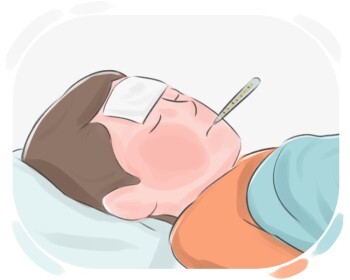
fever
fever
[nom]

a condition when the body temperature rises, usually when we are sick

fièvre

fièvre

Ex: My sister was burning up with a fever in the middle of the night. 

Ma sœur avait une fièvre ardente au milieu de la nuit.
body
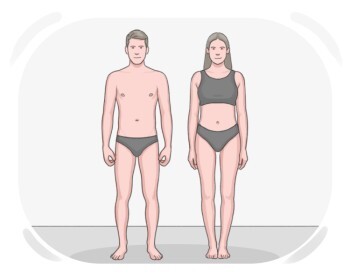
body
[nom]

our or an animal's hands, legs, head, and every other part together

corps
corps

Ex: The cat stretched its body lazily after a long nap in the sun. 
people
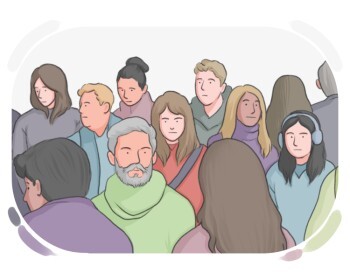
people
[nom]

a group of humans

gens

gens

Ex: Many people find solace in spending time with loved ones. 
to fight
to fight
[verbe]

to make a strong and continuous effort to achieve something

lutter

lutter

Ex: She fought for women's rights throughout her entire career. 
germ
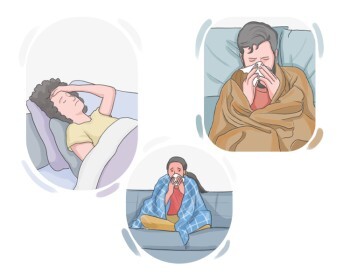
germ
[nom]

a microscopic organism, especially one that causes disease

microbe, germe
microbe, germe

Ex: I'm staying home today; I think I caught a germ from my coworker's kid. 
sickness

the state of being ill or in poor health

maladie
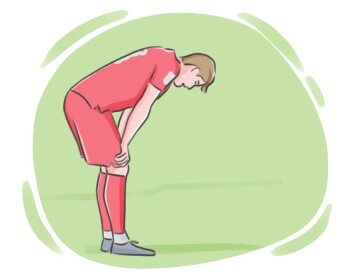
maladie

Ex: The insurance provides financial support during periods of sickness. 
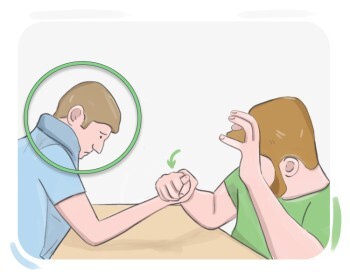
tired
tired
[Adjectif]

needing to sleep or rest because of not having any more energy

fatigué

fatigué

Ex: She felt tired and decided to take a short nap. 

Elle se sentait fatiguée et a décidé de faire une courte sieste.
weak
weak
[Adjectif]

not strong or vigorous in body or movement

faible, fragile
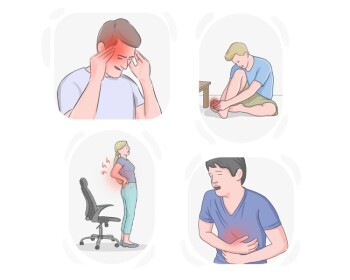
faible, fragile

Ex: The child was too weak to lift the heavy backpack. 
to hurt
to hurt
[verbe]

to feel pain in a part of the body

souffrir, se faire mal

souffrir, se faire mal

Ex: Do your eyes hurt after reading in the dim light? 
to sweat
to sweat
[verbe]

to produce sweat through the skin

suer, transpirer
suer, transpirer

Ex: Emma was sweating heavily in the summer heat. 
a lot
a lot
[Adverbe]

to a large degree

beaucoup

beaucoup

Ex: I miss her a lot when she's away. 

Elle me manque beaucoup quand elle est loin.
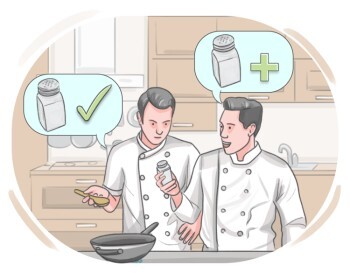
important
important
[Adjectif]

having a lot of value

important

important

Ex: Education is an important tool for personal and professional development. 

L'éducation est un outil important pour le développement personnel et professionnel.
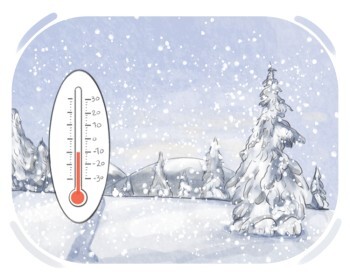
cold
cold
[Adjectif]

having a temperature lower than the human body's average temperature

froid
froid

Ex: I wore a warm coat to protect myself from the cold wind. 
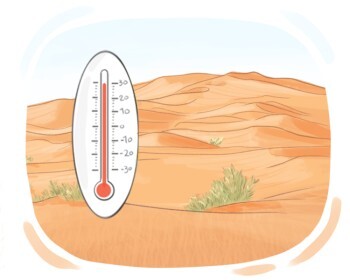
hot
hot
[Adjectif]

having a higher than normal temperature

chaud
chaud

Ex: She wore a hat to protect herself from the hot sun. 
to rest
to rest
[verbe]

to stop working, moving, or doing an activity for a period of time and sit or lie down to relax

se reposer
se reposer

Ex: After completing the project, she felt relieved and decided to rest. 
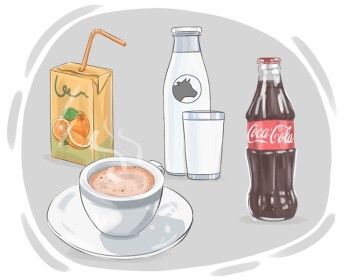
drink
drink
[nom]

any liquid that we can drink

boisson

boisson

Ex: His favorite drink is freshly squeezed orange juice. 
to help
to help
[verbe]

to make something easier, particularly by improving the situation

aider,  faciliter
aider, faciliter

Ex: The support of our friends has helped tremendously. 
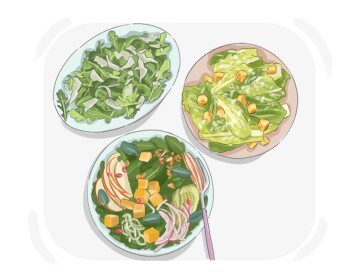
light
light
[Adjectif]

(of food) low in sugar, fat, or other rich ingredients, which makes it easily digestible

léger
léger

Ex: The diet plan recommended light snacks to help control cravings. 
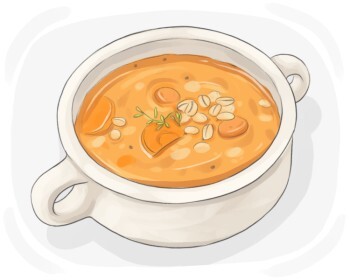
soup
soup
[nom]

a liquid food made by cooking ingredients such as vegetables, meat, or fish in water or stock

soupe, potage
soupe, potage

Ex: Daniel ordered tomato soup with his sandwich. 
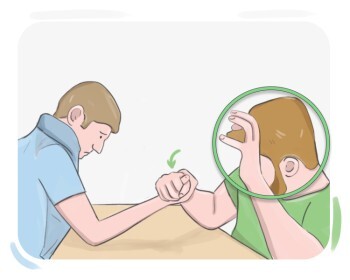
strong
strong
[Adjectif]

having a lot of physical power

fort, vigoureux

fort, vigoureux

Ex: She admired his strong arms as he effortlessly carried the bags. 
to stay
to stay
[verbe]

to remain in a particular place

rester
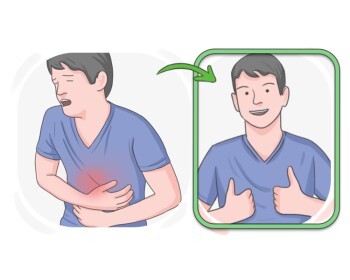
rester

Ex: The dog is trained to stay in one spot until given a command to move. 
better
better
[Adjectif]

recovered from a physical or mental health problem completely or compared to the past

meilleur

meilleur

Ex: He's much better now and can return to school. 

Il va mieux maintenant et peut retourner à l'école.

to spread
to spread
[verbe]

to cause something to reach or affect a larger area or group of people

répandre, propager
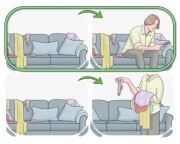
répandre, propager

Ex: The charity spread its efforts to other regions in need of help. 
to keep
to keep
[verbe]

to make someone or something stay or remain in a specific state, position, or condition

garder, maintenir
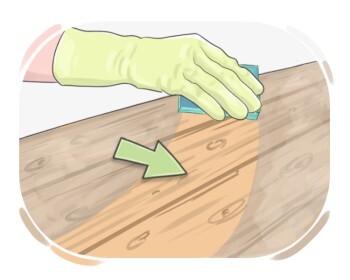
garder, maintenir

Ex: The firefighters worked tirelessly to keep the fire under control. 
clean
clean
[Adjectif]

not having any bacteria, marks, or dirt

propre, nettoyé
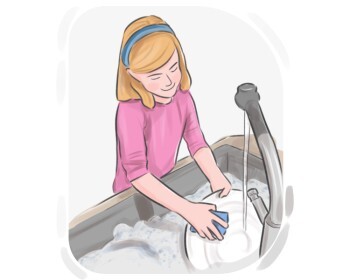
propre, nettoyé

Ex: She used a clean cloth to wipe the dusty furniture. 
to wash
to wash
[verbe]

to clean someone or something with water, often with a type of soap

laver
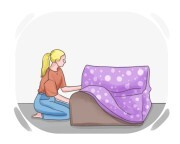
laver

Ex: I need to wash my shoes; they are dirty. 
to cover
to cover
[verbe]

to put something over something else in a way that hides or protects it

couvrir, recouvrir
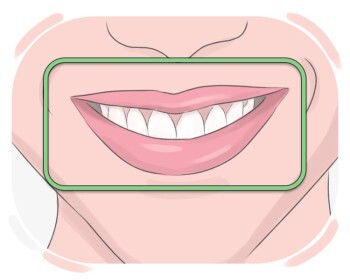
couvrir, recouvrir

Ex: Please cover the cake with a cloth to keep it fresh until the party. 
mouth
mouth
[nom]

our body part that we use for eating, speaking, and breathing

bouche
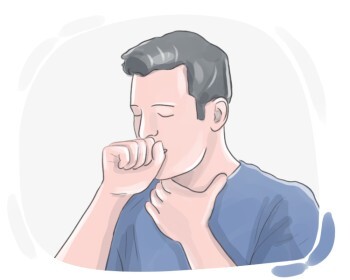
bouche

Ex: He let out a yawn, his mouth wide open. 
to cough
to cough
[verbe]

to force air suddenly out of the lungs through the throat with a short, sharp sound

tousser
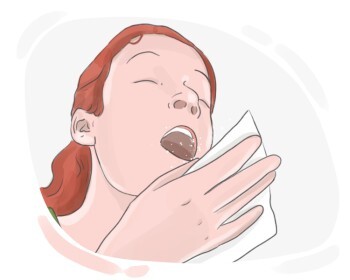
tousser

Ex: Daniel covered his mouth when he coughed. 
to sneeze
to sneeze
[verbe]

to blow air out of our nose and mouth in a sudden way

éternuer

éternuer

Ex: I sneeze uncontrollably when I have a cold. 

J'éternue de manière incontrôlable quand j'ai un rhume.
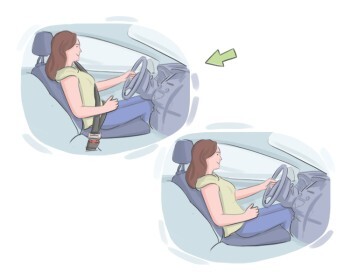
safe
safe
[Adjectif]

protected from any danger

sûr, en sécurité
sûr, en sécurité

Ex: She didn't feel safe on her own while walking home at night. 
to go away
to go away
[verbe]

to vanish or cease to exist

disparaître, s'évanouir

disparaître, s'évanouir

Ex: The mysterious footprints in the sand seemed to go away without a trace. 

Les empreintes mystérieuses dans le sable semblaient disparaître sans laisser de trace.

a few
a few
[Déterminant]

used to indicate a small number of items, people, or things

quelques, plusieurs

quelques, plusieurs

Ex: There were a few guests who arrived early. 

Il y avait quelques invités qui sont arrivés tôt.
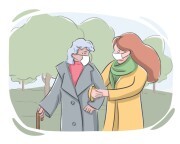
care
care
[nom]

the act of providing treatment and paying attention to the physical and emotional needs of someone or something

soins
soins

Ex: His love for animals led him to pursue a career in veterinary care, where he could help animals in need. 
to last
to last
[verbe]

to maintain presence over a period

durer
durer

Ex: The meeting lasted for over two hours, much longer than we anticipated. 
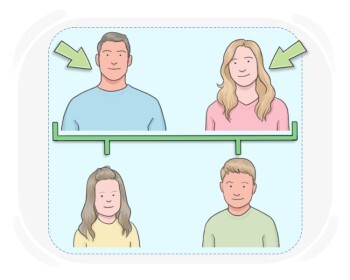
parent
parent
[nom]

our mother or our father

parent

parent

Ex: Becoming a parent is a life-changing experience that comes with great responsibility. 
common
common
[Adjectif]

frequently found, happening, or seen

commun, de tous

commun, de tous

Ex: The common mistake in the test was misreading the instructions. 

L'erreur courante dans le test était de mal lire les instructions.
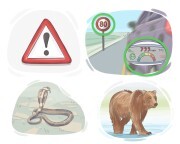
dangerous
dangerous
[Adjectif]

capable of destroying or causing harm to a person or thing

dangereux

dangereux

Ex: He was driving at a dangerous speed on the highway. 

Il conduisait à une vitesse dangereuse sur l'autoroute.
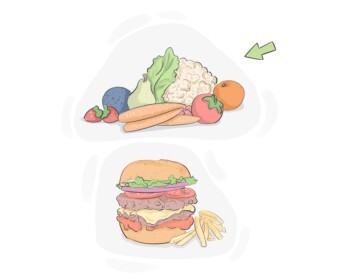
healthy
healthy
[Adjectif]

making someone feel well or showing good health

sain

sain

Ex: Exercise is an important part of a healthy lifestyle. 
habit
habit
[nom]

something that you regularly do almost without thinking about it, particularly one that is hard to give up or stop doing

habitude

habitude

Ex: He has a bad habit of biting his nails. 
Vocabulaire clé des maladies courantes
FroidMal de gorgeMaux d'estomacFièvre
Maux de têteGrippe
LanGeek
Télécharger l'application LanGeek