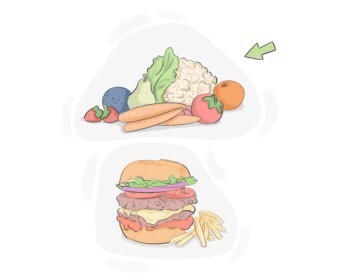
pattern

Vocabulario clave para enfermedades comunes - Fiebre

Revisión

Tarjetas de memoria

formas

Ortografía

Cuestionario

Empezar a aprender
Key Vocabulary for Common Illnesses
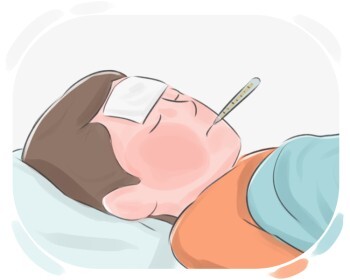
fever
fever
[Sustantivo]

a condition when the body temperature rises, usually when we are sick

fiebre
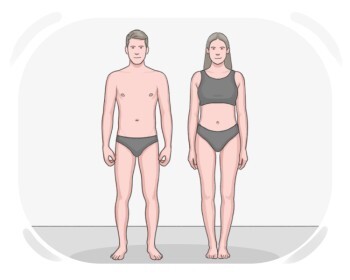
fiebre

Ex: A fever is one of the common symptoms of the flu. 
body
body
[Sustantivo]

our or an animal's hands, legs, head, and every other part together

cuerpo
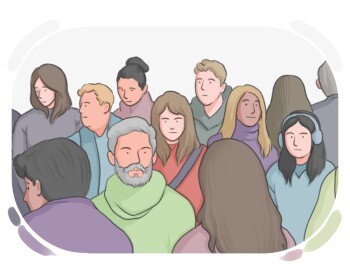
cuerpo

Ex: She enjoys yoga because it helps her connect with her body and find inner balance. 
people
people
[Sustantivo]

a group of humans

gente

gente

Ex: It is important to listen to the voices of the people and address their concerns. 
to fight
to fight
[Verbo]

to make a strong and continuous effort to achieve something

luchar

luchar

Ex: She fought for equal opportunities in the workplace throughout her career. 
germ
germ
[Sustantivo]

a small living organism that causes disease or infection

germen

germen

sickness
sickness
[Sustantivo]

the state of being unwell

enfermedad

enfermedad

Ex: He's been in bed for days with a bad sickness. 
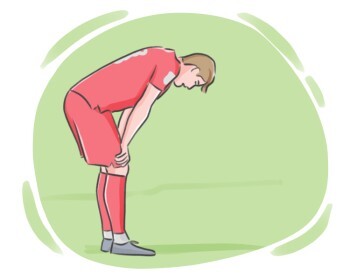
tired
tired
[Adjetivo]

needing to sleep or rest because of not having any more energy

cansado

cansado

Ex: After a long day at work, he felt extremely tired. 
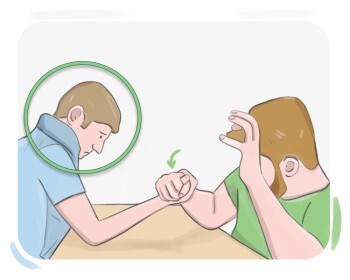
weak
weak
[Adjetivo]

not strong or vigorous in body or movement

débil, frágil
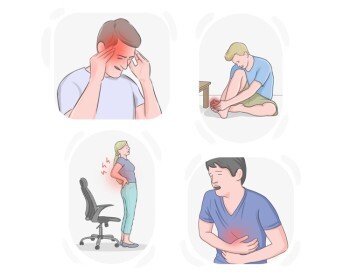
débil, frágil

Ex: After several days without food, he felt too weak to stand. 
to hurt
to hurt
[Verbo]

to feel pain in a part of the body

doler

doler

Ex: After the bee sting, the spot hurt for a few hours. 
to sweat
to sweat
[Verbo]

to produce small drops of liquid on the surface of one's skin

sudar

sudar

Ex: After a long run, he began to sweat profusely. 
a lot
a lot
[Adverbio]

to a large degree

mucho

mucho

Ex: Thanks a lot for helping me with the move. 
important
important
[Adjetivo]

having a lot of value

importante

importante

Ex: Conserving water is important for the sustainable use of natural resources. 
cold
cold
[Adjetivo]

having a temperature lower than the human body's average temperature

frío
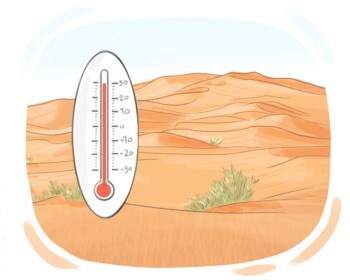
frío

Ex: I prefer to drink cold water on a hot day. 
hot
hot
[Adjetivo]

having a higher than normal temperature

caliente, caluroso

caliente, caluroso

Ex: I turned on the air conditioner because it was getting too hot inside. 
to rest
to rest
[Verbo]

to stop working, moving, or doing an activity for a period of time and sit or lie down to relax

descansar

descansar

Ex: After a long day at work, I like to rest on the couch and watch TV. 
drink
drink
[Sustantivo]

any liquid that we can drink

bebida

bebida

Ex: She poured herself a refreshing drink after a long day. 
to help
to help
[Verbo]

to make something easier, particularly by improving the situation

ayudar,  facilitar
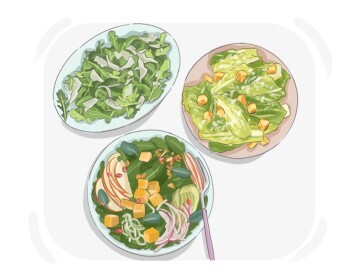
ayudar, facilitar

Ex: Seeking therapy can help improve mental health. 
light
light
[Adjetivo]

(of food) low in sugar, fat, or other rich ingredients, which makes it easily digestible

bajo en calorías, light
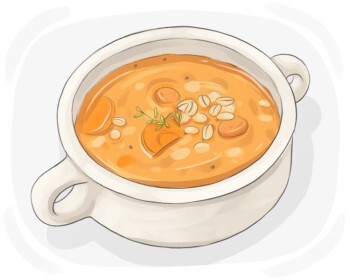
bajo en calorías, light

Ex: She chose a light dessert to complement her meal, avoiding heavy sweets. 
soup
soup
[Sustantivo]

liquid food we make by cooking things like meat, fish, or vegetables in water

sopa

sopa

Ex: I always garnish my soup with a sprinkle of fresh herbs. 
strong
strong
[Adjetivo]

having a lot of physical power

fuerte, poderoso

fuerte, poderoso

Ex: He was able to lift the heavy box because he was so strong. 
to stay
to stay
[Verbo]

to remain in a particular place

quedarse
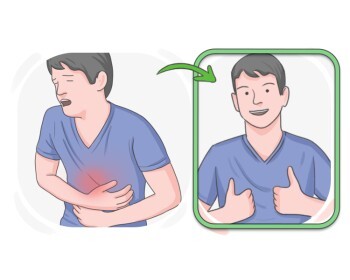
quedarse

Ex: The weather is too unpredictable, so it's better to stay indoors. 
better
better
[Adjetivo]

recovered from a physical or mental health problem completely or compared to the past

mejor

mejor

Ex: After using the medicine, I felt much better. 
to spread
to spread
[Verbo]

to cause something to reach or affect a larger area or group of people

difundir, divulgar, esparcir
difundir, divulgar, esparcir

Ex: The campaign spread its influence to neighboring cities. 
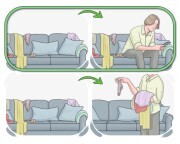
to keep
to keep
[Verbo]

to make someone or something stay or remain in a specific state, position, or condition

mantener, guardar
mantener, guardar

Ex: She keeps her room tidy. 
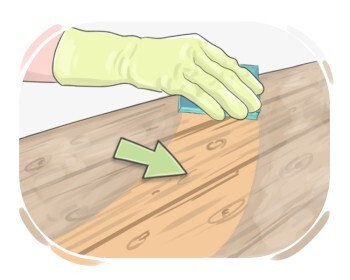
clean
clean
[Adjetivo]

not having any bacteria, marks, or dirt

limpio, aseado
limpio, aseado

Ex: He washed his hands to keep them clean. 
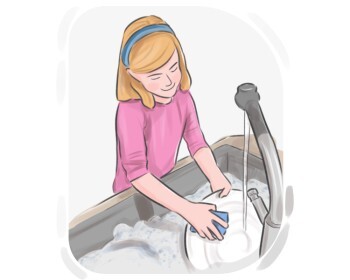
to wash
to wash
[Verbo]

to clean someone or something with water, often with a type of soap

lavar
lavar

Ex: I always wash my hands before eating. 
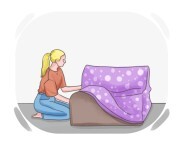
to cover
to cover
[Verbo]

to put something over something else in a way that hides or protects it

cubrir, tapar
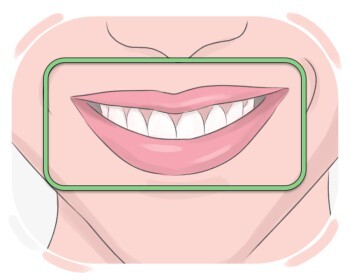
cubrir, tapar

Ex: She used a blanket to cover the delicate furniture during the move. 
mouth
mouth
[Sustantivo]

our body part that we use for eating, speaking, and breathing

boca
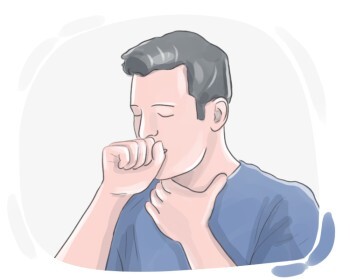
boca

Ex: He chewed his food with his mouth closed, showing good manners. 
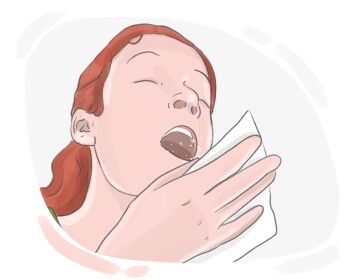
to cough
to cough
[Verbo]

to push air out of our mouth with a sudden noise

toser

toser

Ex: Don't cough into your hand; it's better to use a tissue. 
to sneeze
to sneeze
[Verbo]

to blow air out of our nose and mouth in a sudden way

estornudar

estornudar

Ex: Don't forget to cover your mouth when you sneeze. 
safe
safe
[Adjetivo]

protected from any danger

sin peligro, seguro

sin peligro, seguro

Ex: The children are quite safe here, playing under the watchful eye of their parents. 
to go away
to go away
[Verbo]

to vanish or cease to exist

desaparecer, esfumarse

desaparecer, esfumarse

Ex: The magician made the rabbit go away in a puff of smoke. 
a few
a few
[Determinante]

used to indicate a small number of items, people, or things

algunos, unos pocos

algunos, unos pocos

Ex: I have a few books to return to the library. 
care
care
[Sustantivo]

the act of providing treatment and paying attention to the physical and emotional needs of someone or something

asistencia, atención
asistencia, atención

Ex: The elderly residents of the nursing home received compassionate care from the dedicated staff members. 
to last
to last
[Verbo]

to maintain presence over a period

durar
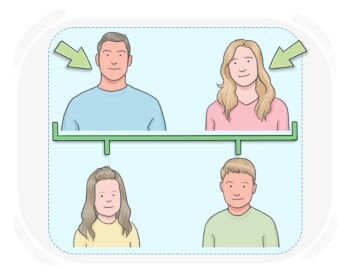
durar

Ex: The concert lasts for two hours, showcasing the band's greatest hits. 
parent
parent
[Sustantivo]

our mother or our father

padre o madre

padre o madre

Ex: As a single parent, she worked tirelessly to provide for her family and ensure their well-being. 
common
common
[Adjetivo]

frequently found, happening, or seen

común

común

Ex: It’s common for people to exchange holiday gifts with friends and family. 
dangerous
dangerous
[Adjetivo]

capable of destroying or causing harm to a person or thing

peligroso

peligroso

Ex: Crossing the road without looking is dangerous. 
healthy
healthy
[Adjetivo]

making someone feel well or showing good health

sano

sano

Ex: A good night's sleep is necessary for staying healthy. 
habit
habit
[Sustantivo]

something that you regularly do almost without thinking about it, particularly one that is hard to give up or stop doing

hábito

hábito

Ex: Drinking water first thing in the morning is a healthy habit. 
Vocabulario clave para enfermedades comunes
FríoDolor de gargantaDolor de estómagoFiebre
Dolor de cabezaGripe
LanGeek
Descargar la aplicación LanGeek