pattern

Vocabolario chiave per le malattie comuni - Febbre

Revisione

Flashcard

forme

Ortografia

Quiz

Inizia a imparare
Key Vocabulary for Common Illnesses
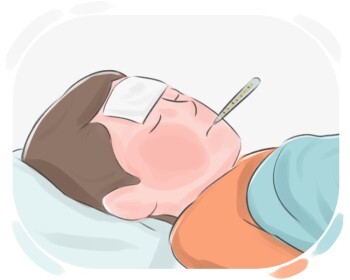
fever
fever
[sostantivo]

a condition when the body temperature rises, usually when we are sick

febbre
febbre

Ex: She developed a fever after being exposed to the virus. 
Chiudi
Accedi
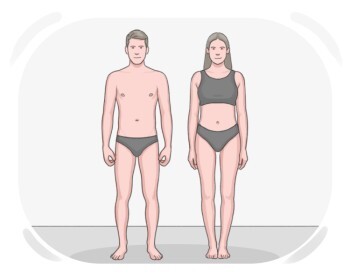
body
body
[sostantivo]

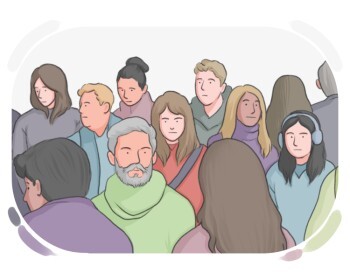
our or an animal's hands, legs, head, and every other part together

corpo
corpo

Ex: The human body has many different organs, such as the heart, lungs, and liver. 
Chiudi
Accedi
people
people
[sostantivo]

a group of humans

gente

gente

Ex: The people gathered in the town square to celebrate the victory. 
Chiudi
Accedi
to fight
to fight
[Verbo]

to make a strong and continuous effort to achieve something

combattere, lottare

combattere, lottare

Ex: He fought for better working conditions in the factory. 
Chiudi
Accedi
germ
germ
[sostantivo]

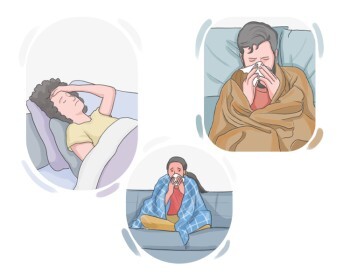
a microscopic organism, especially one that causes disease

germe
germe

Ex: Don't drink from that cup; you'll swap germs with your brother. 
Chiudi
Accedi
sickness
sickness
[sostantivo]

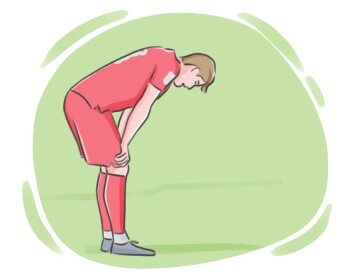
the state of being ill or in poor health

malattia
malattia

Ex: They supported each other through both health and sickness. 
Chiudi
Accedi
tired
tired
[aggettivo]

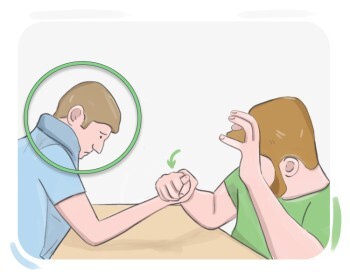
needing to sleep or rest because of not having any more energy

stanco

stanco

Ex: The toddler was too tired to finish his dinner. 

Il bambino era troppo stanco per finire la sua cena.
Chiudi
Accedi
weak
weak
[aggettivo]

not strong or vigorous in body or movement

debole, fragile
debole, fragile

Ex: She spoke in a weak voice that was barely audible. 
Chiudi
Accedi
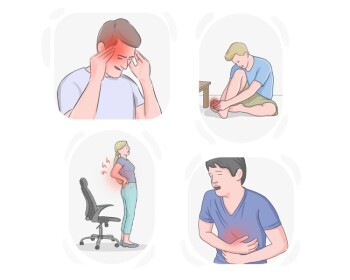
to hurt
to hurt
[Verbo]

to feel pain in a part of the body

ferire
ferire

Ex: My ears hurt when the airplane was descending. 
Chiudi
Accedi
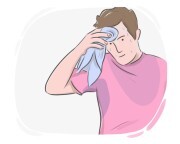
to sweat
to sweat
[Verbo]

to produce sweat through the skin

sudare
sudare

Ex: The players were sweating after only ten minutes. 
Chiudi
Accedi
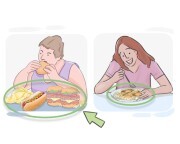
a lot
a lot
[avverbio]

to a large degree

molto

molto

Ex: He's improved a lot since last season. 

È migliorato molto dall'ultima stagione.
Chiudi
Accedi
important
important
[aggettivo]

having a lot of value

importante

importante

Ex: Teamwork is an important skill in most professional settings. 

Il lavoro di squadra è un'abilità importante nella maggior parte degli ambienti professionali.
Chiudi
Accedi
cold
cold
[aggettivo]

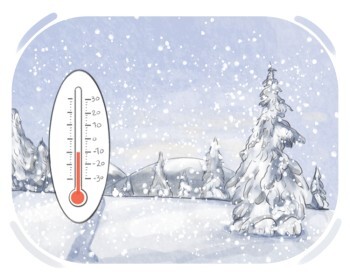
having a temperature lower than the human body's average temperature

freddo
freddo

Ex: The ice cubes made the drink refreshingly cold. 
Chiudi
Accedi
hot
hot
[aggettivo]

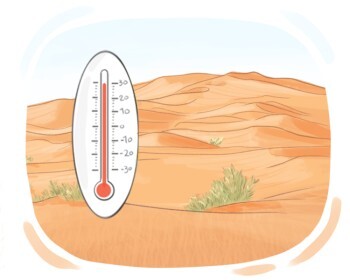
having a higher than normal temperature

caldo
caldo

Ex: The soup was too hot to eat right away. 
Chiudi
Accedi
to rest
to rest
[Verbo]

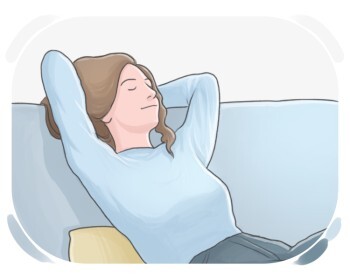
to stop working, moving, or doing an activity for a period of time and sit or lie down to relax

restare, rimanere
restare, rimanere

Ex: You should rest for a while before continuing. 
Chiudi
Accedi
drink
drink
[sostantivo]

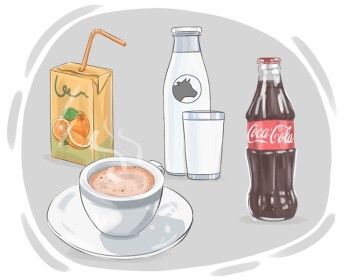
any liquid that we can drink

bevanda, da bere

bevanda, da bere

Ex: The menu featured a variety of drinks, from cocktails to soft drinks. 
Chiudi
Accedi
to help
to help
[Verbo]

to make something easier, particularly by improving the situation

aiutare,  facilitare
aiutare, facilitare

Ex: Drinking water frequently helps with dehydration. 
Chiudi
Accedi
light
light
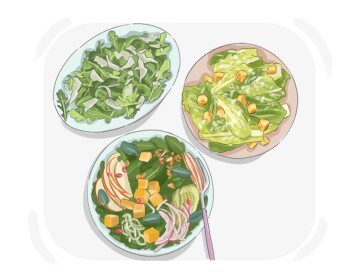
[aggettivo]

(of food) low in sugar, fat, or other rich ingredients, which makes it easily digestible

leggero
leggero

Ex: He preferred light meals in the evening to ensure a good night's sleep. 
Chiudi
Accedi
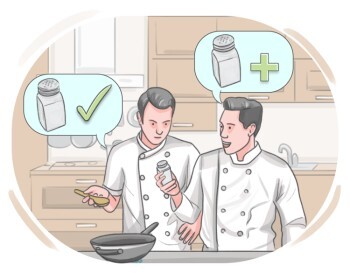
soup
soup
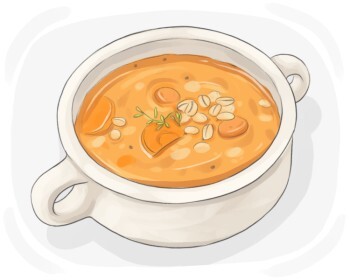
[sostantivo]

a liquid food made by cooking ingredients such as vegetables, meat, or fish in water or stock

zuppa
zuppa

Ex: Michael added a little salt to the soup before serving it. 
Chiudi
Accedi
strong
strong
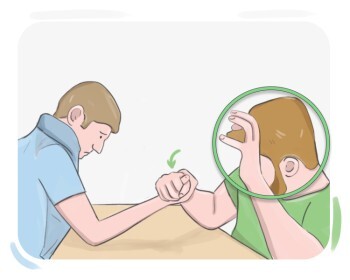
[aggettivo]

having a lot of physical power

forte

forte

Ex: The athlete's strong legs helped him run faster. 
Chiudi
Accedi
to stay
to stay
[Verbo]

to remain in a particular place

rimanere
rimanere

Ex: We were about to leave, but our friends convinced us to stay for a game of cards. 
Chiudi
Accedi
better
better
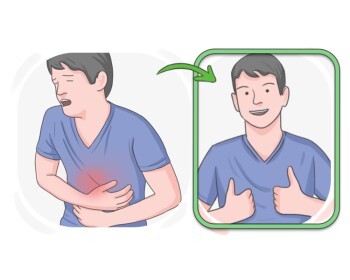
[aggettivo]

recovered from a physical or mental health problem completely or compared to the past

meglio

meglio

Ex: The fresh air made her feel instantly better. 

L'aria fresca l'ha fatta sentire immediatamente meglio.

Chiudi
Accedi
to spread
to spread
[Verbo]

to cause something to reach or affect a larger area or group of people

spalmare, diffondere
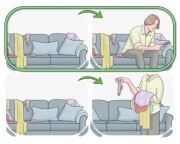
spalmare, diffondere

Ex: The firefighters spread the water over the fire to control the flames. 
Chiudi
Accedi
to keep
to keep
[Verbo]

to make someone or something stay or remain in a specific state, position, or condition

mantenere, conservare
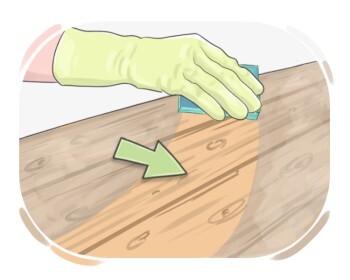
mantenere, conservare

Ex: They keep the fridge stocked with fresh ingredients. 
Chiudi
Accedi
clean
clean
[aggettivo]

not having any bacteria, marks, or dirt

pulito, igienizzato
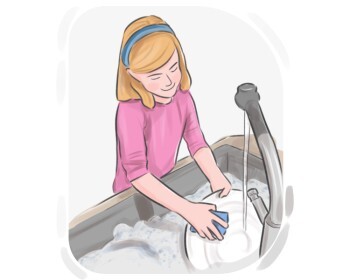
pulito, igienizzato

Ex: The hotel room was clean and spotless. 
Chiudi
Accedi
to wash
to wash
[Verbo]

to clean someone or something with water, often with a type of soap

lavare
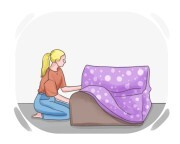
lavare

Ex: We should wash the vegetables before cooking. 
Chiudi
Accedi
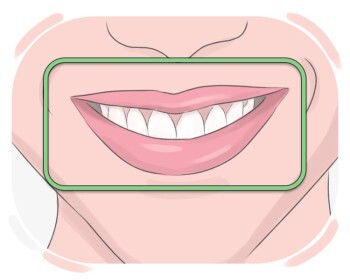
to cover
to cover
[Verbo]

to put something over something else in a way that hides or protects it

coprire, ricoprire
coprire, ricoprire

Ex: He covered the food with a clean cloth. 
Chiudi
Accedi
mouth
mouth
[sostantivo]

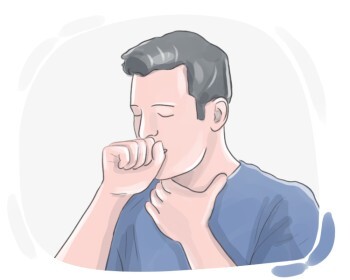
our body part that we use for eating, speaking, and breathing

bocca
bocca

Ex: She opened her mouth wide to take a bite of the juicy apple. 
Chiudi
Accedi
to cough
to cough
[Verbo]

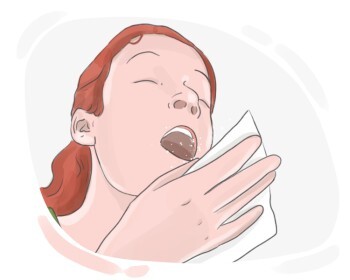
to force air suddenly out of the lungs through the throat with a short, sharp sound

tossire
tossire

Ex: Dust can make some people cough. 
Chiudi
Accedi
to sneeze
to sneeze
[Verbo]

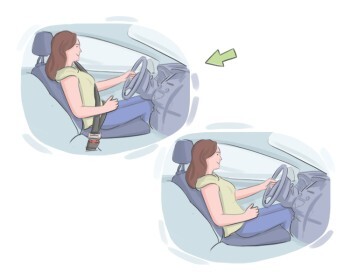
to blow air out of our nose and mouth in a sudden way

starnutire

starnutire

Ex: Whenever I dust my house, I sneeze a lot. 

Ogni volta che spolvero casa mia, starnutisco molto.
Chiudi
Accedi
safe
safe
[aggettivo]

protected from any danger

sicuro

sicuro

Ex: After the storm passed, they felt safe to return to their houses and assess the damage. 
Chiudi
Accedi
to go away
to go away
[Verbo]

to vanish or cease to exist

scomparire, svanire

scomparire, svanire

Ex: The symptoms of the illness can go away with the right treatment. 

I sintomi della malattia possono scomparire con il giusto trattamento.

Chiudi
Accedi
a few
a few
[Determinante]

used to indicate a small number of items, people, or things

alcuni, pochi

alcuni, pochi

Ex: I have a few books to return to the library. 

Ho alcuni libri da restituire alla biblioteca.
Chiudi
Accedi
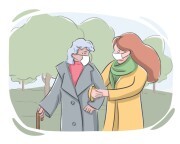
care
care
[sostantivo]

the act of providing treatment and paying attention to the physical and emotional needs of someone or something

cura
cura

Ex: She received excellent medical care after the accident. 
Chiudi
Accedi
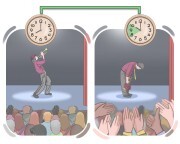
to last
to last
[Verbo]

to maintain presence over a period

durare
durare

Ex: Her excitement lasted only a few moments before she realized the reality of the situation. 
Chiudi
Accedi
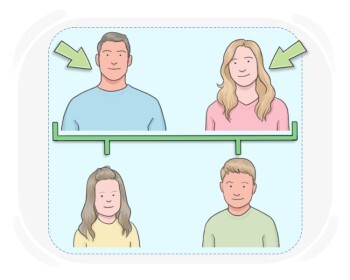
parent
parent
[sostantivo]

our mother or our father

genitori

genitori

Ex: The parents took turns reading bedtime stories to their children every night. 
Chiudi
Accedi
common
common
[aggettivo]

frequently found, happening, or seen

comune

comune

Ex: It's common to see tourists in the city during the summer. 

È comune vedere turisti in città durante l'estate.
Chiudi
Accedi
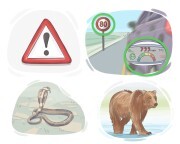
dangerous
dangerous
[aggettivo]

capable of destroying or causing harm to a person or thing

pericoloso

pericoloso

Ex: The mountain path is slippery and considered dangerous. 

Il sentiero di montagna è scivoloso e considerato pericoloso.
Chiudi
Accedi
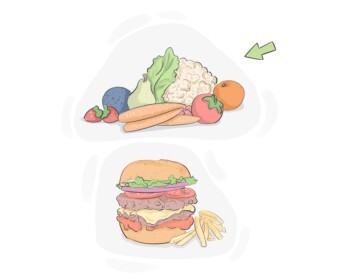
healthy
healthy
[aggettivo]

making someone feel well or showing good health

sano

sano

Ex: This smoothie is both delicious and healthy. 
Chiudi
Accedi
habit
habit
[sostantivo]

something that you regularly do almost without thinking about it, particularly one that is hard to give up or stop doing

abito

abito

Ex: She is in the habit of writing in her journal before going to bed. 
Chiudi
Accedi
Vocabolario chiave per le malattie comuni
FreddoMal di golaMal di stomacoFebbre
Mal di testaInfluenza
LanGeek
Scarica l'app LanGeek