pattern

Klíčová slovní zásoba pro běžná onemocnění - Horečka

Revize

Kartičky

tvary

Pravopis

Kvíz

Začněte se učit
Key Vocabulary for Common Illnesses
fever
fever
[Podstatné jméno]

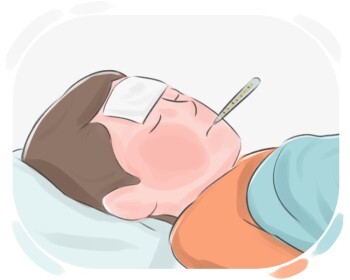
a condition when the body temperature rises, usually when we are sick

horečka, teplota

horečka, teplota

Ex: She developed a fever after being exposed to the virus. 

Po vystavení viru se u ní rozvinula horečka.
body
body
[Podstatné jméno]

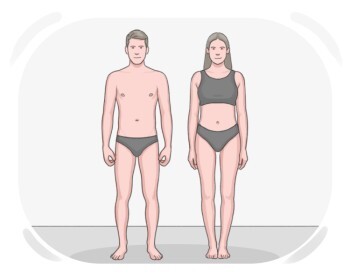
our or an animal's hands, legs, head, and every other part together

tělo, organismus
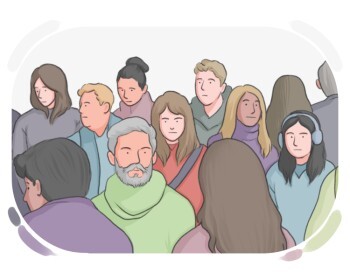
tělo, organismus

Ex: She enjoys yoga because it helps her connect with her body and find inner balance. 
people
people
[Podstatné jméno]

a group of humans

lidé, národ

lidé, národ

Ex: It is important to listen to the voices of the people and address their concerns. 
to fight
to fight
[sloveso]

to make a strong and continuous effort to achieve something

bojovat, zápasit

bojovat, zápasit

Ex: She fought for equal opportunities in the workplace throughout her career. 
germ
germ
[Podstatné jméno]

a microscopic organism, especially one that causes disease

mikrob,  zárodek
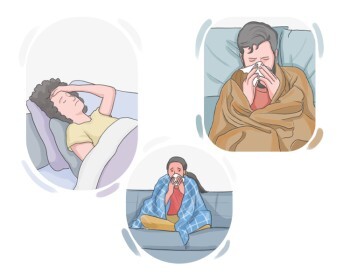
mikrob, zárodek

Ex: Don't drink from that cup; you'll swap germs with your brother. 
sickness
sickness
[Podstatné jméno]

the state of being ill or in poor health

nemoc,  choroba
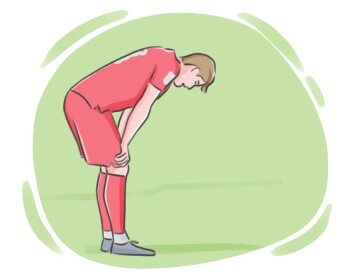
nemoc, choroba

Ex: They supported each other through both health and sickness. 
tired
tired
[Přídavné jméno]

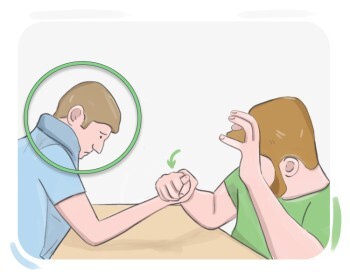
needing to sleep or rest because of not having any more energy

unavený,  vyčerpaný

unavený, vyčerpaný

Ex: The toddler was too tired to finish his dinner. 

Batole bylo příliš unavené, aby dojedlo večeři.
weak
weak
[Přídavné jméno]

not strong or vigorous in body or movement

slabý, křehký
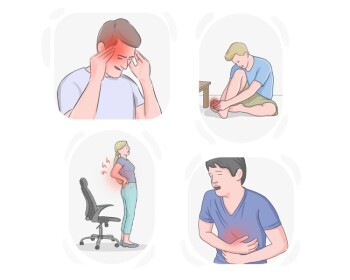
slabý, křehký

Ex: After several days without food, he felt too weak to stand. 
to hurt
to hurt
[sloveso]

to feel pain in a part of the body

bolet,  zraňovat

bolet, zraňovat

Ex: After the bee sting, the spot hurt for a few hours. 
to sweat
to sweat
[sloveso]

to produce sweat through the skin

potit se,  zpotit se
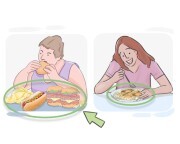
potit se, zpotit se

Ex: The players were sweating after only ten minutes. 
a lot
a lot
[Příslovce]

to a large degree

hodně, moc

hodně, moc

Ex: He's improved a lot since last season. 

Od minulé sezóny se hodně zlepšil.

important
important
[Přídavné jméno]

having a lot of value

důležitý, rozhodující

důležitý, rozhodující

Ex: Conserving water is important for the sustainable use of natural resources. 

Šetření vodou je důležité pro udržitelné využívání přírodních zdrojů.
cold
cold
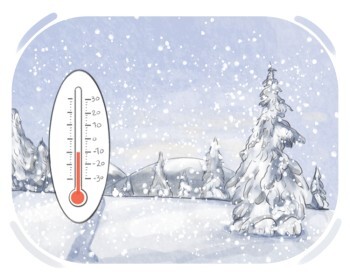
[Přídavné jméno]

having a temperature lower than the human body's average temperature

studený, ledový
studený, ledový

Ex: I prefer to drink cold water on a hot day. 
hot
hot
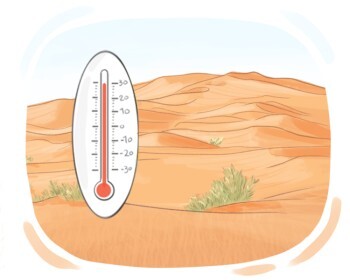
[Přídavné jméno]

having a higher than normal temperature

horký, teplý
horký, teplý

Ex: I turned on the air conditioner because it was getting too hot inside. 
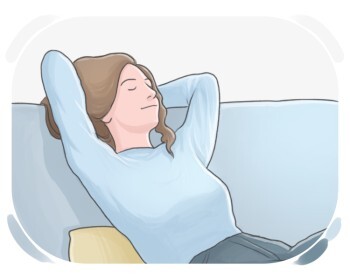
to rest
to rest
[sloveso]

to stop working, moving, or doing an activity for a period of time and sit or lie down to relax

odpočívat, relaxovat
odpočívat, relaxovat

Ex: You should rest for a while before continuing. 
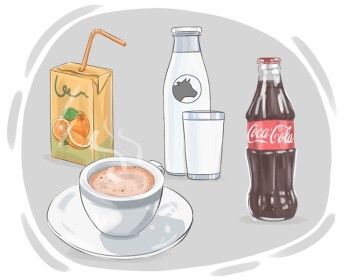
drink
drink
[Podstatné jméno]

any liquid that we can drink

nápoj, pití

nápoj, pití

Ex: She poured herself a refreshing drink after a long day. 
to help
to help
[sloveso]

to make something easier, particularly by improving the situation

pomáhat,  usnadňovat
pomáhat, usnadňovat

Ex: Seeking therapy can help improve mental health. 
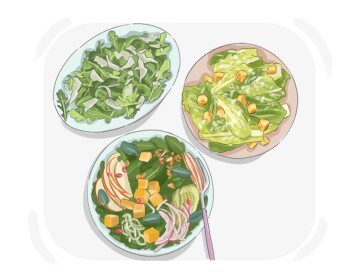
light
light
[Přídavné jméno]

(of food) low in sugar, fat, or other rich ingredients, which makes it easily digestible

lehký
lehký

Ex: She chose a light dessert to complement her meal, avoiding heavy sweets. 
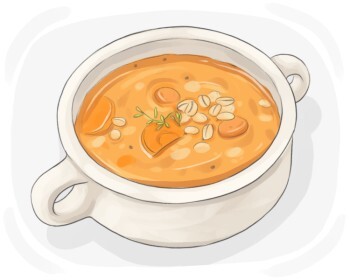
soup
soup
[Podstatné jméno]

a liquid food made by cooking ingredients such as vegetables, meat, or fish in water or stock
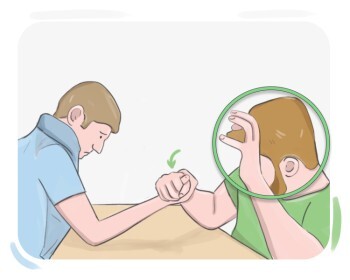
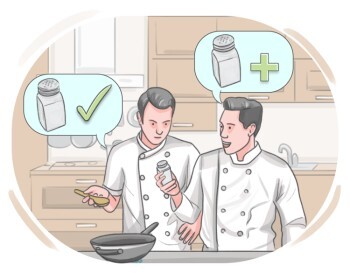
Ex: Michael added a little salt to the soup before serving it. 
strong
strong
[Přídavné jméno]

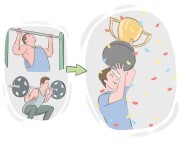
having a lot of physical power

silný, mocný
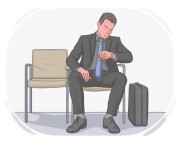
silný, mocný

Ex: He was able to lift the heavy box because he was so strong. 
to stay
to stay
[sloveso]

to remain in a particular place

zůstat, pobývat
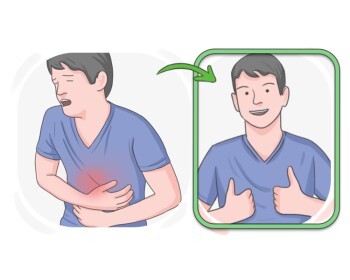
zůstat, pobývat

Ex: The weather is too unpredictable, so it's better to stay indoors. 
better
better
[Přídavné jméno]

recovered from a physical or mental health problem completely or compared to the past

lepší, uzdravený

lepší, uzdravený

Ex: The fresh air made her feel instantly better. 

Čerstvý vzduch jí okamžitě udělal lépe.

to spread
to spread
[sloveso]

to cause something to reach or affect a larger area or group of people

šířit, rozprostírat
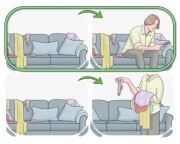
šířit, rozprostírat

Ex: The rumors about the company's closure spread panic among employees. 
to keep
to keep
[sloveso]

to make someone or something stay or remain in a specific state, position, or condition

udržovat, uchovávat
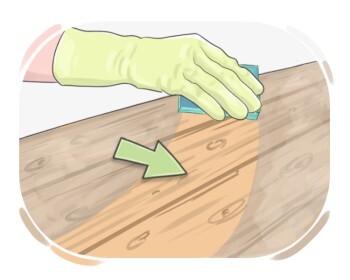
udržovat, uchovávat

Ex: She keeps her room tidy. 
clean
clean
[Přídavné jméno]

not having any bacteria, marks, or dirt

čistý, sterilní
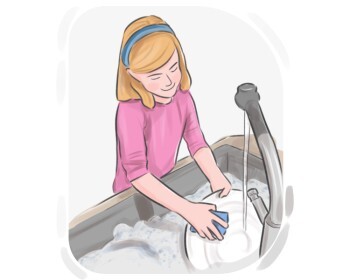
čistý, sterilní

Ex: He washed his hands to keep them clean. 
to wash
to wash
[sloveso]

to clean someone or something with water, often with a type of soap

mýt, čistit
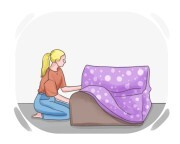
mýt, čistit

Ex: I always wash my hands before eating. 
to cover
to cover
[sloveso]

to put something over something else in a way that hides or protects it

zakrýt, přikrýt
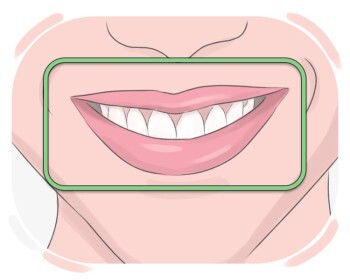
zakrýt, přikrýt

Ex: He covered the food with a clean cloth. 
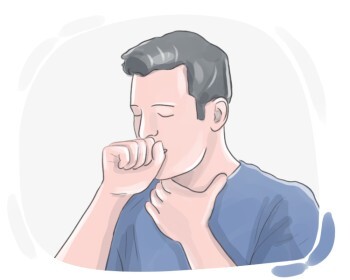
mouth
mouth
[Podstatné jméno]

our body part that we use for eating, speaking, and breathing

ústa
ústa

Ex: He chewed his food with his mouth closed, showing good manners. 
to cough
to cough
[sloveso]

to force air suddenly out of the lungs through the throat with a short, sharp sound
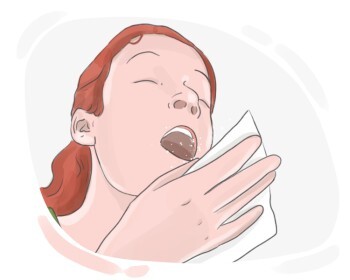
Ex: Dust can make some people cough. 
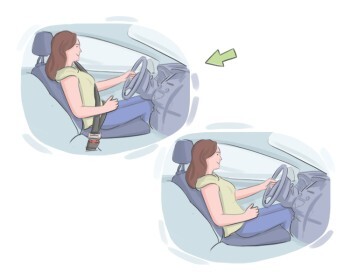
to sneeze
to sneeze
[sloveso]

to blow air out of our nose and mouth in a sudden way

kýchat, kýchat

kýchat, kýchat

Ex: Whenever I dust my house, I sneeze a lot. 

Kdykoli utírám prach v domě, hodně kýchám.
safe
safe
[Přídavné jméno]

protected from any danger

bezpečný, chráněný
bezpečný, chráněný

Ex: The children are quite safe here, playing under the watchful eye of their parents. 
to go away
to go away
[sloveso]

to vanish or cease to exist

zmizet, vytratit se

zmizet, vytratit se

Ex: The symptoms of the illness can go away with the right treatment. 

Příznaky nemoci mohou zmizet se správnou léčbou.

a few
a few
[Člen]

used to indicate a small number of items, people, or things

několik, pár

několik, pár

Ex: I have a few books to return to the library. 

Mám pár knih, které musím vrátit do knihovny.
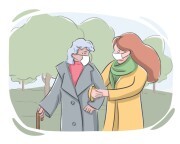
care
care
[Podstatné jméno]

the act of providing treatment and paying attention to the physical and emotional needs of someone or something

péče,  pozornost
péče, pozornost

Ex: She received excellent medical care after the accident. 
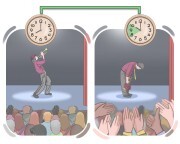
to last
to last
[sloveso]

to maintain presence over a period

trvat, pokračovat
trvat, pokračovat

Ex: The concert lasts for two hours, showcasing the band's greatest hits. 
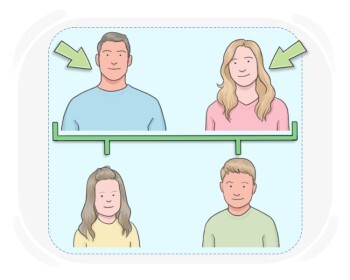
parent
parent
[Podstatné jméno]

our mother or our father

rodič, matka nebo otec

rodič, matka nebo otec

Ex: As a single parent, she worked tirelessly to provide for her family and ensure their well-being. 
common
common
[Přídavné jméno]

frequently found, happening, or seen

běžný, častý

běžný, častý

Ex: It's common to see tourists in the city during the summer. 

Během léta je běžné vidět ve městě turisty.
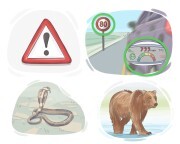
dangerous
dangerous
[Přídavné jméno]

capable of destroying or causing harm to a person or thing

nebezpečný

nebezpečný

Ex: The mountain path is slippery and considered dangerous. 

Horská stezka je kluzká a považuje se za nebezpečnou.
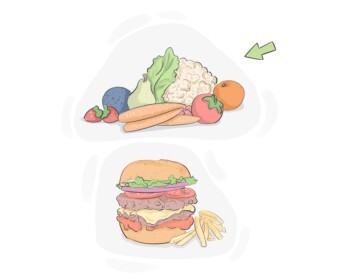
healthy
healthy
[Přídavné jméno]

making someone feel well or showing good health

zdravý, prospěšný pro zdraví

zdravý, prospěšný pro zdraví

Ex: A good night's sleep is necessary for staying healthy. 
habit
habit
[Podstatné jméno]

something that you regularly do almost without thinking about it, particularly one that is hard to give up or stop doing

návyk, zvyk

návyk, zvyk

Ex: Drinking water first thing in the morning is a healthy habit. 
Klíčová slovní zásoba pro běžná onemocnění
ChladnoBolest v krkuBolest břichaHorečka
Bolest hlavyChřipka
LanGeek
Stáhnout aplikaci LanGeek