pattern

Ключевая лексика для распространенных заболеваний - Лихорадка

Обзор

Флэш-карточки

формы

Правописание

Тест

Начать учиться
Key Vocabulary for Common Illnesses
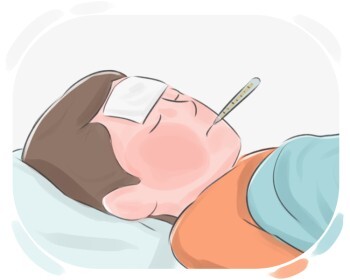
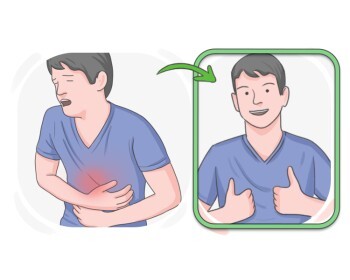
fever
fever
[существительное]

a condition when the body temperature rises, usually when we are sick

лихорадка

лихорадка

Ex: She developed a fever after being exposed to the virus .

У нее развилась лихорадка после контакта с вирусом.

Закрыть
Войти
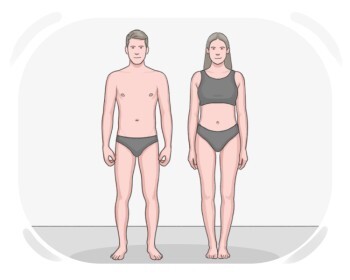
body
body
[существительное]

our or an animal's hands, legs, head, and every other part together

тело

тело

Ex: The human body has many different organs, such as the heart, lungs, and liver.

У человеческого тела много разных органов, таких как сердце, легкие и печень.

Закрыть
Войти
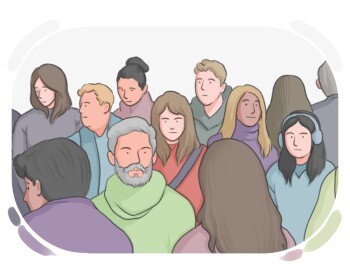
people
people
[существительное]

a group of humans

люди

люди

Ex: The people gathered in the town square to celebrate the victory .

Люди собрались на городской площади, чтобы отпраздновать победу.

Закрыть
Войти
to fight
to fight
[глагол]

to make a strong and continuous effort to achieve something

бороться, сражаться

бороться, сражаться

Ex: He fought for better working conditions in the factory .

Он боролся за лучшие условия труда на фабрике.

Закрыть
Войти
germ
germ
[существительное]

a small living organism that causes disease or infection

микроб

микроб

Закрыть
Войти
sickness
sickness
[существительное]

the state of being unwell

болезнь

болезнь

Ex: The village experienced a wave of sickness last month .

В деревне прошлой месяц произошла волна болезни.

Закрыть
Войти
tired
tired
[прилагательное]

needing to sleep or rest because of not having any more energy

уставший

уставший

Ex: The toddler was too tired to finish his dinner .

Малыш был слишком усталым, чтобы закончить свой ужин.

Закрыть
Войти
weak
weak
[прилагательное]

not strong or vigorous in body or movement

слабый, хилый

слабый, хилый

Ex: She spoke in a weak voice that was barely audible .

Она говорила слабым голосом, который едва был слышен.

Закрыть
Войти
to hurt
to hurt
[глагол]

to feel pain in a part of the body

болеть

болеть

Ex: My ears hurt when the airplane was descending .

У меня болели уши, когда самолет снижался.

Закрыть
Войти
to sweat
to sweat
[глагол]

to produce small drops of liquid on the surface of one's skin

потеть

потеть

Ex: The athletes were sweating heavily after the intense training session .

Спортсмены сильно потели после интенсивной тренировки.

Закрыть
Войти
a lot
a lot
[наречие]

to a large degree

много

много

Ex: He's improved a lot since last season.

Он значительно улучшился с прошлого сезона.

Закрыть
Войти
important
important
[прилагательное]

having a lot of value

важный

важный

Ex: The important issue at hand is ensuring the safety of the workers .

Важный вопрос на данный момент - обеспечение безопасности рабочих.
Закрыть
Войти
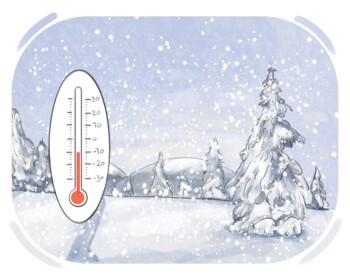
cold
cold
[прилагательное]

having a temperature lower than the human body's average temperature

холодный

холодный

Ex: The ice cubes made the drink refreshingly cold.

Ледяные кубики сделали напиток освежающе холодным.

Закрыть
Войти
hot
hot
[прилагательное]

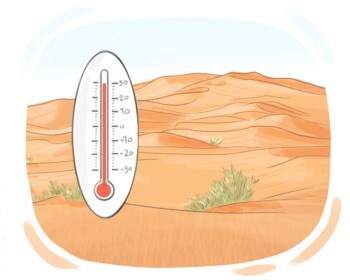
having a higher than normal temperature

горячий

горячий

Ex: The soup was too hot to eat right away .

Суп был слишком горячим, чтобы есть его сразу.

Закрыть
Войти
to rest
to rest
[глагол]

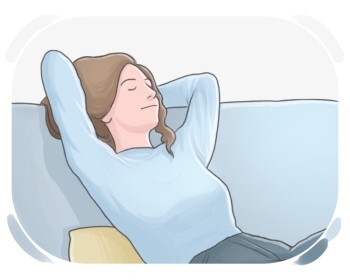
to stop working, moving, or doing an activity for a period of time and sit or lie down to relax

отдыхать

отдыхать

Ex: The cat likes to find a sunny spot to rest and soak up the warmth .

Кошка любит найти солнечное место, чтобы отдохнуть и погреться.

Закрыть
Войти
drink
drink
[существительное]

any liquid that we can drink

напиток

напиток

Ex: The menu featured a variety of drinks, from cocktails to soft drinks .

В меню были представлены различные напитки, от коктейлей до безалкогольных напитков.

Закрыть
Войти
to help
to help
[глагол]

to make something easier, particularly by improving the situation

помогать,  облегчать

помогать, облегчать

Ex: Drinking water frequently helps with dehydration.

Частое питье воды помогает при обезвоживании.

Закрыть
Войти
light
light
[прилагательное]

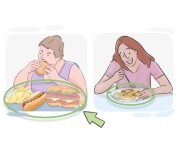
(of food) low in sugar, fat, or other rich ingredients, which makes it easily digestible

легкий

легкий

Ex: He preferred light meals in the evening to ensure a good night 's sleep .

Он предпочитал лёгкие блюда вечером, чтобы обеспечить хороший ночной сон.

Закрыть
Войти
soup
soup
[существительное]

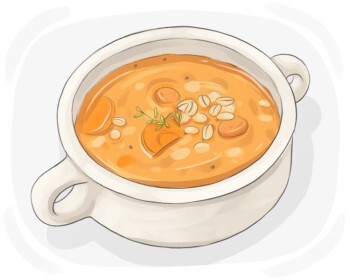
liquid food we make by cooking things like meat, fish, or vegetables in water

суп

суп

Ex: The soup was so delicious that I had two servings .

Суп был настолько вкусным, что я съел две порции.

Закрыть
Войти
strong
strong
[прилагательное]

having a lot of physical power

сильный

сильный

Ex: The athlete 's strong legs helped him run faster .

Сильные ноги спортсмена помогли ему бежать быстрее.

Закрыть
Войти
to stay
to stay
[глагол]

to remain in a particular place

оставаться

оставаться

Ex: We were about to leave , but our friends convinced us to stay for a game of cards .

Мы уже собирались уходить, но наши друзья убедили нас остаться на игру в карты.

Закрыть
Войти
better
better
[прилагательное]

recovered from a physical or mental health problem completely or compared to the past

лучший

лучший

Ex: The fresh air made her feel instantly better.

Свежий воздух мгновенно заставил её почувствовать себя лучше.

Закрыть
Войти
to spread
to spread
[глагол]

to cause something to reach or affect a larger area or group of people

распространять

распространять

Ex: The government is working to spread access to quality healthcare services to remote regions of the country .

Правительство работает над тем, чтобы распространить доступ к качественным медицинским услугам в отдаленных регионах страны.

Закрыть
Войти
to keep
to keep
[глагол]

to make someone or something stay or remain in a specific state, position, or condition

держать, сохранять

держать, сохранять

Ex: They keep the fridge stocked with fresh ingredients .

Они держат холодильник заполненным свежими ингредиентами.

Закрыть
Войти
clean
clean
[прилагательное]

not having any bacteria, marks, or dirt

чистый, стерильный

чистый, стерильный

Ex: The hotel room was clean and spotless .

Номер в отеле был чистым и безупречным.

Закрыть
Войти
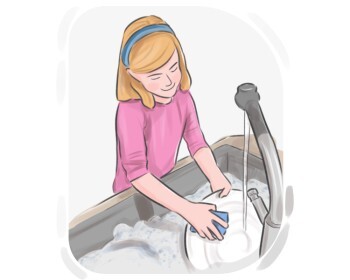
to wash
to wash
[глагол]

to clean someone or something with water, often with a type of soap

мыть

мыть

Ex: We should wash the vegetables before cooking .

Нам следует мыть овощи перед приготовлением.

Закрыть
Войти
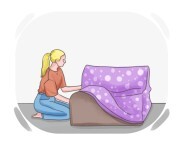
to cover
to cover
[глагол]

to put something over something else in a way that hides or protects it

накрывать, покрывать

накрывать, покрывать

Ex: The bookshelf was used to cover the hole in the wall until repairs could be made .

Книжная полка использовалась, чтобы закрыть дыру в стене, пока не будут сделаны ремонтные работы.

Закрыть
Войти
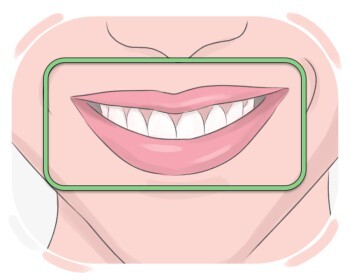
mouth
mouth
[существительное]

our body part that we use for eating, speaking, and breathing

рот

рот

Ex: She opened her mouth wide to take a bite of the juicy apple .

Она широко открыла рот, чтобы откусить кусочек сочного яблока.

Закрыть
Войти
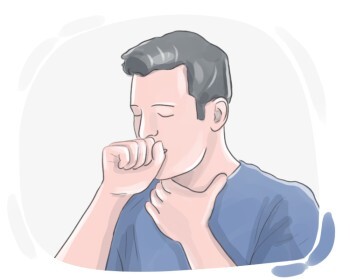
to cough
to cough
[глагол]

to push air out of our mouth with a sudden noise

кашлять

кашлять

Ex: When he began to cough during his speech , someone offered him a glass of water .

Когда он начал кашлять во время своей речи, кто-то предложил ему стакан воды.

Закрыть
Войти
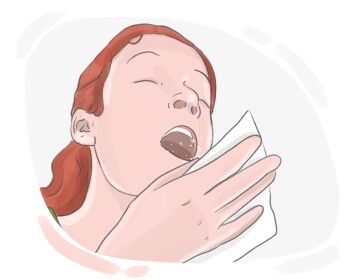
to sneeze
to sneeze
[глагол]

to blow air out of our nose and mouth in a sudden way

чихать

чихать

Ex: Whenever I dust my house , I sneeze a lot .

Всякий раз, когда я вытираю пыль в доме, я много чихаю.

Закрыть
Войти
safe
safe
[прилагательное]

protected from any danger

безопасный

безопасный

Ex: After the storm passed , they felt safe to return to their houses and assess the damage .

После того как буря прошла, они почувствовали себя в безопасности, чтобы вернуться в свои дома и оценить ущерб.

Закрыть
Войти
to go away
to go away
[глагол]

to vanish or cease to exist

исчезать, пропадать

исчезать, пропадать

Ex: The symptoms of the illness can go away with the right treatment .

Симптомы болезни могут исчезнуть при правильном лечении.

Закрыть
Войти
a few
a few
[определитель]

used to indicate a small number of items, people, or things

несколько, немного

несколько, немного

Ex: The teacher asked the students to complete a few exercises for homework .

Учитель попросил учеников выполнить несколько упражнений в качестве домашнего задания.

Закрыть
Войти
care
care
[существительное]

the act of providing treatment and paying attention to the physical and emotional needs of someone or something

забота

забота

Ex: The hospital provides compassionate care to all patients , ensuring their physical and emotional needs are met .

Больница обеспечивает сострадательный уход за всеми пациентами, гарантируя, что их физические и эмоциональные потребности удовлетворяются.

Закрыть
Войти
to last
to last
[глагол]

to maintain presence over a period

продолжаться, длиться

продолжаться, длиться

Ex: Her excitement lasted only a few moments before she realized the reality of the situation .

Её волнение длилось всего несколько мгновений, прежде чем она осознала реальность ситуации.

Закрыть
Войти
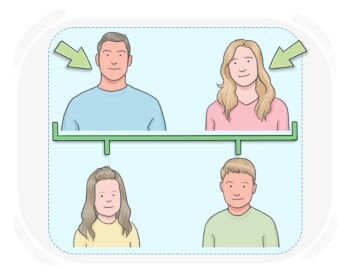
parent
parent
[существительное]

our mother or our father

родитель

родитель

Ex: The parents took turns reading bedtime stories to their children every night .

Родители по очереди читали своим детям сказки на ночь каждую ночь.

Закрыть
Войти
common
common
[прилагательное]

frequently found, happening, or seen

общий, популярный

общий, популярный

Ex: It 's common to see tourists in the city during the summer .

Обычно видеть туристов в городе летом.

Закрыть
Войти
dangerous
dangerous
[прилагательное]

capable of destroying or causing harm to a person or thing

опасный

опасный

Ex: The mountain path is slippery and considered dangerous.

Горная тропа скользкая и считается опасной.

Закрыть
Войти
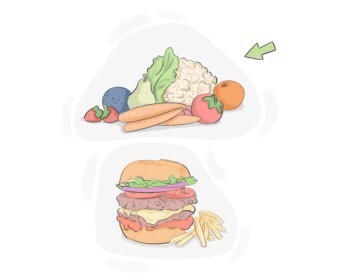
healthy
healthy
[прилагательное]

making someone feel well or showing good health

полезный

полезный

Ex: This smoothie is both delicious and healthy.

Этот смузи одновременно вкусный и полезный.

Закрыть
Войти
habit
habit
[существительное]

something that you regularly do almost without thinking about it, particularly one that is hard to give up or stop doing

привычка

привычка

Ex: She is in the habit of writing in her journal before going to bed .

У нее есть привычка писать в своем дневнике перед сном.

Закрыть
Войти
Ключевая лексика для распространенных заболеваний
ХолодБоль в горлеБоль в животеЛихорадка
Головная больГрипп
LanGeek
Скачать приложение LanGeek