
Kluczowe słownictwo na temat powszechnych chorób - Gorączka
Przegląd
Fiszki
formy
Pisownia
Test

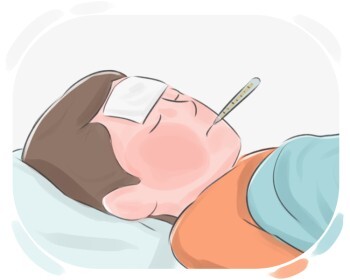
a condition when the body temperature rises, usually when we are sick

gorączka, temperatura
Wzięła lekarstwo, aby obniżyć gorączkę.
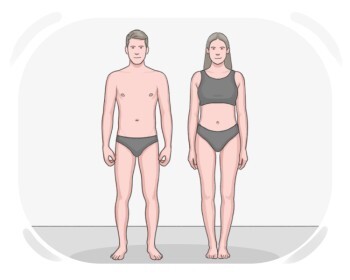
our or an animal's hands, legs, head, and every other part together
ciało, organizm
Lekarz zbadał jej ciało, aby sprawdzić, czy nie ma oznak choroby lub urazu.
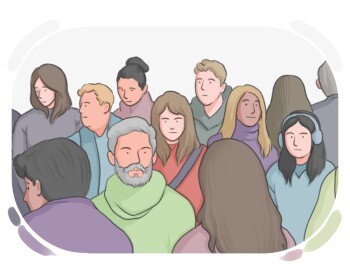
a group of humans
ludzie, naród
Ludzie z różnych środowisk zjednoczyli się, aby wspierać cel charytatywny.
to make a strong and continuous effort to achieve something
walczyć, borykać się
Organizacja walczy o ochronę zagrożonych gatunków.

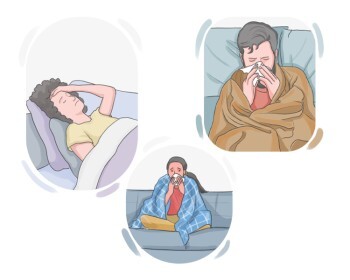
the state of being unwell
choroba, złe samopoczucie
Ona jest zawsze taka energiczna; ta choroba naprawdę ją spowolniła.
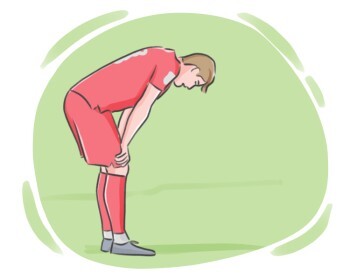
needing to sleep or rest because of not having any more energy
zmęczony, wyczerpany
Pielęgniarka była zmęczona, ale kontynuowała swoją zmianę, aby opiekować się pacjentami.
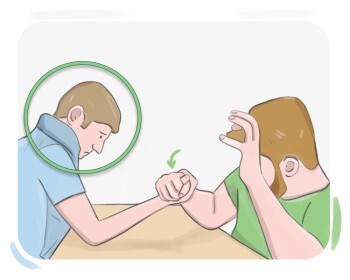
not strong or vigorous in body or movement
słaby, wątły
Dał słaby pchnięcie, które ledwo poruszyło krzesło.
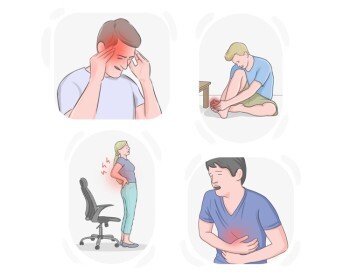
to feel pain in a part of the body
boleć, ranić
Zjadłem za dużo lodów i teraz boli mnie brzuch.
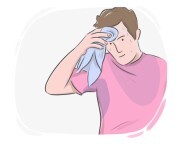
to produce small drops of liquid on the surface of one's skin
pocić się, spocić się
W saunie ludzie celowo pocą się, aby oczyścić swoją skórę.
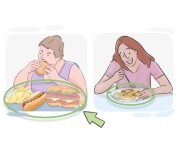
to a large degree
bardzo, moc
Ten film przestraszył mnie o wiele bardziej, niż się spodziewałem.
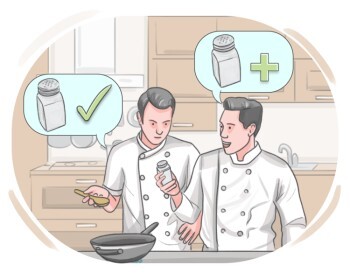
having a lot of value
ważny, kluczowy
Oszczędzanie wody jest ważne dla zrównoważonego wykorzystania zasobów naturalnych.
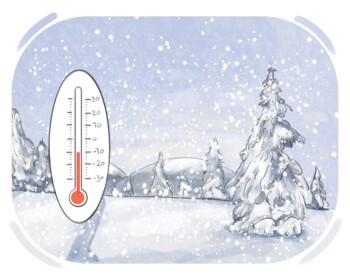
having a temperature lower than the human body's average temperature
zimny, lodowaty
Klimatyzacja sprawiła, że w pokoju było zbyt zimno, więc wyregulowałem temperaturę.
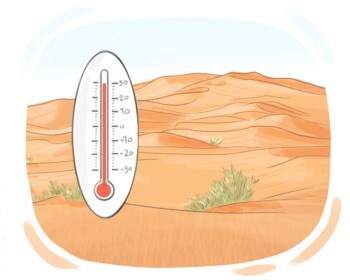
having a higher than normal temperature
gorący, upalny
Metalowa rączka stała się gorąca, gdy została pozostawiona na słońcu.
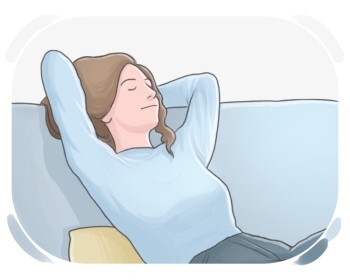
to stop working, moving, or doing an activity for a period of time and sit or lie down to relax
odpoczywać, relaksować się
Proszę odpocząć i zrobić przerwę przed kontynuowaniem zadań.
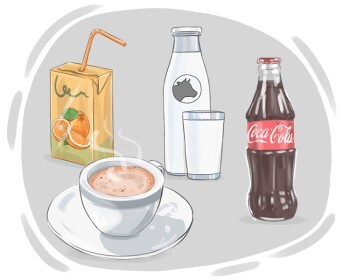
any liquid that we can drink
napój, picie
Zawsze zaczynam swój poranek od ciepłego napoju, takiego jak herbata czy kawa.

to make something easier, particularly by improving the situation
pomagać, ułatwiać
Regularne ćwiczenia pomagają zmniejszyć poziom stresu.
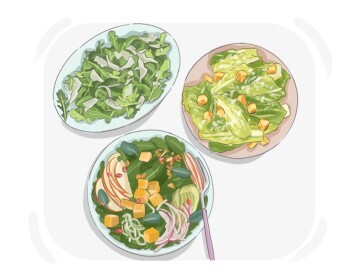
(of food) low in sugar, fat, or other rich ingredients, which makes it easily digestible
lekki
W menu znalazły się różne lekkie opcje, idealne na zdrowy posiłek.
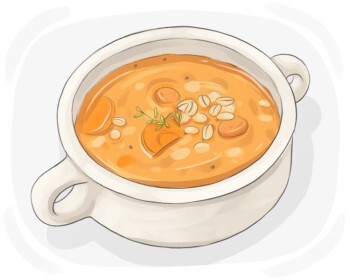
liquid food we make by cooking things like meat, fish, or vegetables in water
zupa, rosół
Szef przygotował kremową pomidorową zupę na obiad.
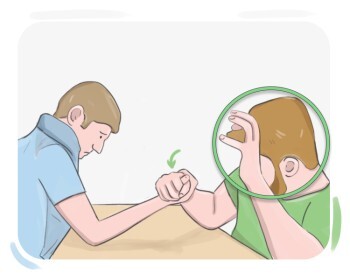
having a lot of physical power
silny, mocny
Silne mięśnie tygrysa pozwoliły mu z łatwością powalić swoją ofiarę.
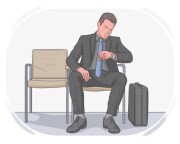
to remain in a particular place
pozostać, przebywać
Przepraszam, ale mam inne spotkanie, więc nie mogę zostać długo.
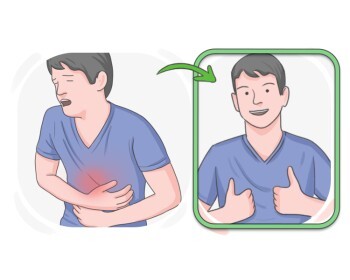
recovered from a physical or mental health problem completely or compared to the past
lepszy, wyzdrowiały
Lekarz powiedział, że jest lepiej i może jutro wrócić do domu.
to cause something to reach or affect a larger area or group of people
rozprzestrzeniać, rozsiewać
Wirus został rozprzestrzeniony przez zakażonych podróżnych do innych krajów.
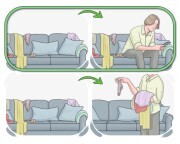
to make someone or something stay or remain in a specific state, position, or condition
utrzymywać, zachowywać
System śledzenia utrzymuje satelitę na orbicie.
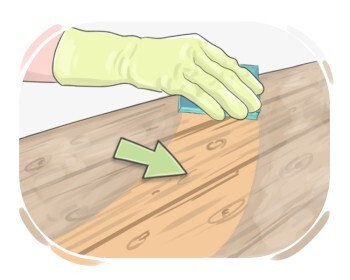
not having any bacteria, marks, or dirt
czysty, sterylny
Czyste okna pozwalały światłu słonecznemu wypełnić pokój.
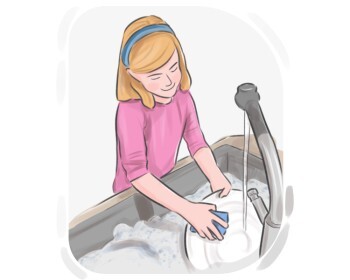
to clean someone or something with water, often with a type of soap
myć, czyścić
Zdecydowali się umyć swojego psa w wannie.
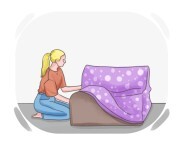
to put something over something else in a way that hides or protects it
zakryć, przykryć
Postanowił przykryć swoje rośliny plandeką, aby chronić je przed nadchodzącym mrozem.
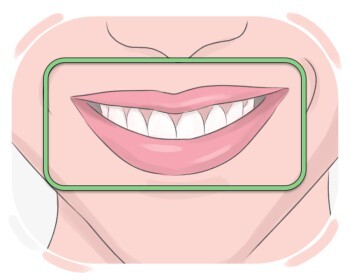
our body part that we use for eating, speaking, and breathing
usta
Umyła zęby, aby utrzymać usta świeże i czyste.
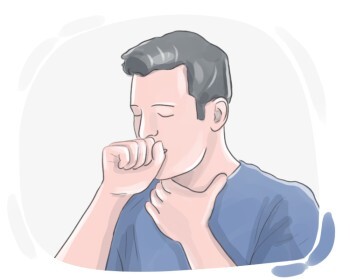
to push air out of our mouth with a sudden noise
kasłać, dostać kaszlu
Tak bardzo kaszlała, że musiała wyjść z pokoju.
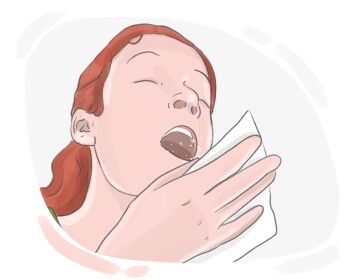
to blow air out of our nose and mouth in a sudden way
kichać, kichnąć
Zaczęła kichać z powodu kurzu w pokoju.
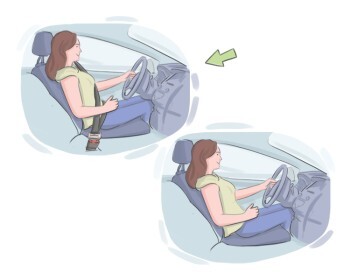
protected from any danger
bezpieczny, chroniony
Zawsze dwukrotnie sprawdza zamki, aby upewnić się, że jego dom jest bezpieczny przed wyjściem.
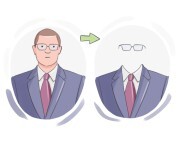
to vanish or cease to exist
znikać, zniknąć
Miała nadzieję, że jej zmartwienia znikną, gdy rozwiąże problem.
used to indicate a small number of items, people, or things
kilka, niewiele
Ma kilku przyjaciół, którzy przychodzą dziś wieczorem obejrzeć mecz.
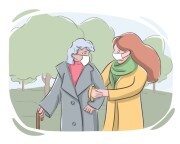
the act of providing treatment and paying attention to the physical and emotional needs of someone or something
opieka, uwaga
Organizacja zapewnia opiekę paliatywną pacjentom terminalnie chorym, oferując komfort i wsparcie w ich ostatnich dniach.
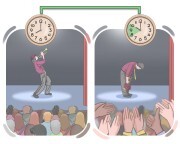
to maintain presence over a period
trwać, utrzymywać się
W tej chwili wydarzenie trwa dłużej niż oczekiwano z powodu nieprzewidzianych opóźnień.
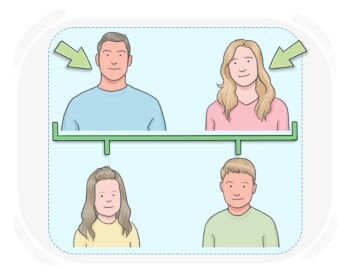
our mother or our father
rodzic, matka lub ojciec
Rodzice uczestniczyli w spotkaniu szkolnym, aby omówić postępy swojego dziecka.
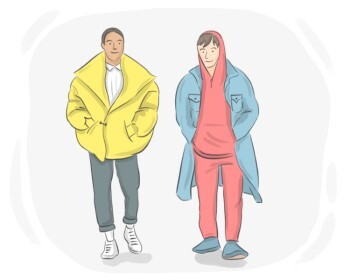
frequently found, happening, or seen
powszechny, częsty
Powszechną praktyką w biurze jest wysyłanie cotygodniowych raportów.
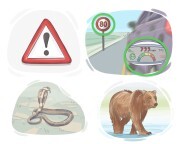
capable of destroying or causing harm to a person or thing
niebezpieczny
Straż przybrzeżna ostrzegła nas przed pływaniem podczas burzy, ponieważ jest to bardzo niebezpieczne.
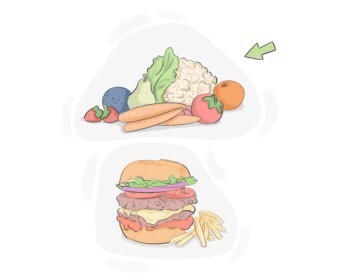
making someone feel well or showing good health
zdrowy, zdrowotny
Mają zdrowy związek z dużą ilością komunikacji i szacunku.
something that you regularly do almost without thinking about it, particularly one that is hard to give up or stop doing
nawyk, zwyczaj
Mój brat ma irytujący nawyk przerywania innym.
| Kluczowe słownictwo na temat powszechnych chorób | |||
|---|---|---|---|
| Zimno | Ból gardła | Ból brzucha | Gorączka |
| Ból głowy | Grypa | ||
