
Vocabular cheie pentru boli comune - Febră
Revizuire
Fișe de studiu
forme
Ortografie
Chestionar

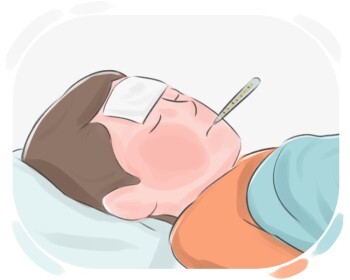
a condition when the body temperature rises, usually when we are sick

febră, temperatură
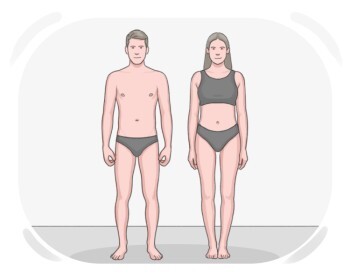
our or an animal's hands, legs, head, and every other part together
corp, organism
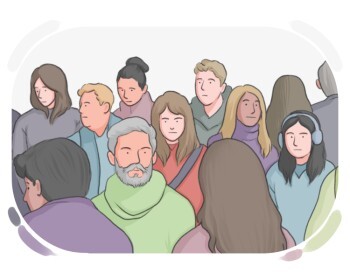
a group of humans
oameni, popor
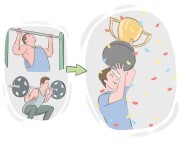
to make a strong and continuous effort to achieve something
lupta, combate

a microscopic organism, especially one that causes disease
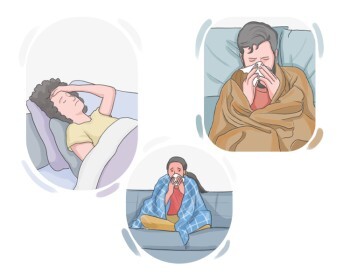
the state of being ill or in poor health
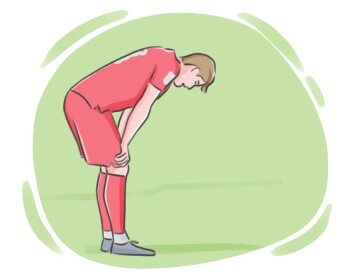
needing to sleep or rest because of not having any more energy
obosit, epuizat
După o zi lungă de muncă, se simțea extrem de obosit.
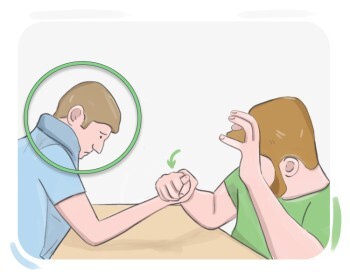
not strong or vigorous in body or movement
slab, fragil
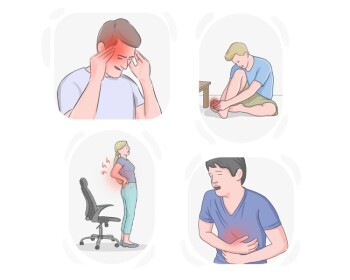
to feel pain in a part of the body
durea, răni
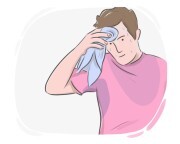
to produce sweat through the skin
a transpira, a asuda
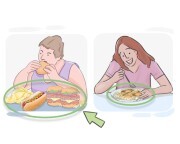
to a large degree
mult, foarte
Mulțumesc mult că m-ai ajutat cu mutarea.
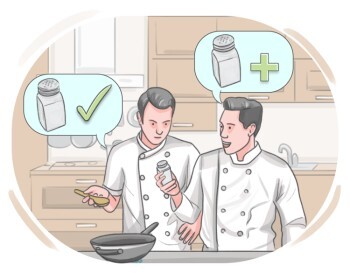
having a lot of value
important, crucial
Educația este un instrument important pentru dezvoltarea personală și profesională.
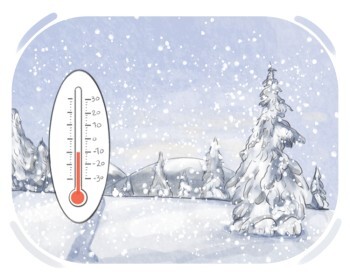
having a temperature lower than the human body's average temperature
rece, înghețat
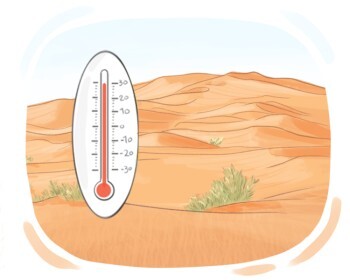
having a higher than normal temperature
fierbinte, cald
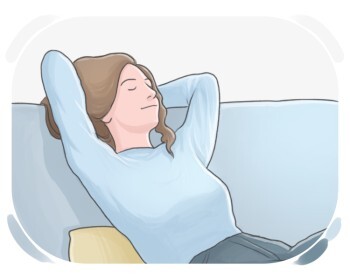
to stop working, moving, or doing an activity for a period of time and sit or lie down to relax
a se odihni, a se relaxa
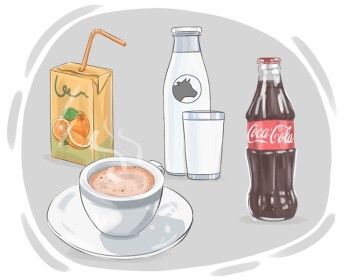
any liquid that we can drink
băutură, băut

to make something easier, particularly by improving the situation
ajuta, facilita
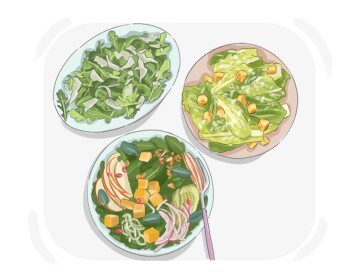
(of food) low in sugar, fat, or other rich ingredients, which makes it easily digestible
ușor
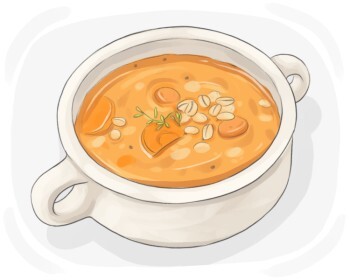
a liquid food made by cooking ingredients such as vegetables, meat, or fish in water or stock
supă, ciorbă
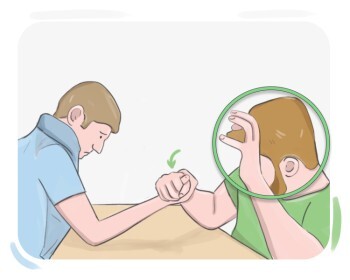
having a lot of physical power
puternic, viguros
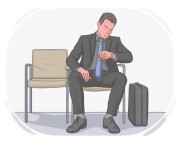
to remain in a particular place
sta, rămâne
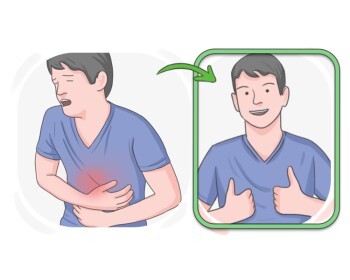
recovered from a physical or mental health problem completely or compared to the past
mai bine, recuperat
După ce am folosit medicamentul, m-am simțit mult mai bine.
to cause something to reach or affect a larger area or group of people
răspândi, difuza
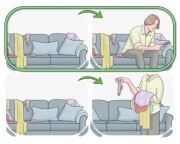
to make someone or something stay or remain in a specific state, position, or condition
păstra, menține
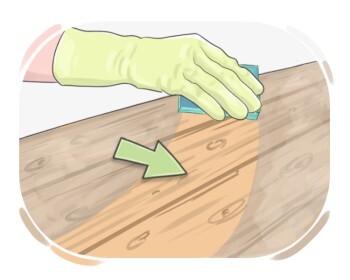
not having any bacteria, marks, or dirt
curat, steril
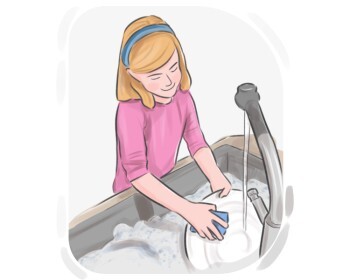
to clean someone or something with water, often with a type of soap
spăla, curăța
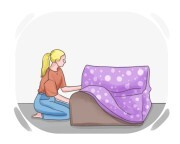
to put something over something else in a way that hides or protects it
acoperi, ascunde
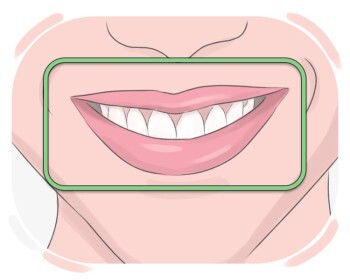
our body part that we use for eating, speaking, and breathing
gură
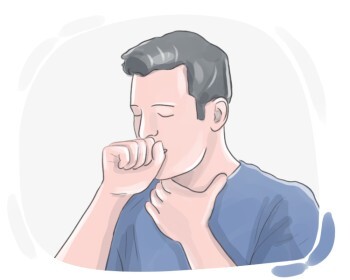
to force air suddenly out of the lungs through the throat with a short, sharp sound
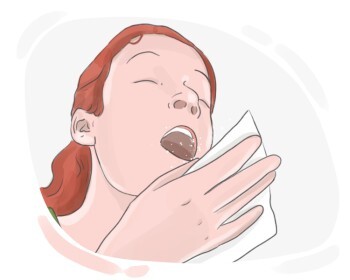
to blow air out of our nose and mouth in a sudden way
strănuta, face un strănut
Nu uitați să vă acoperiți gura când strănutați.
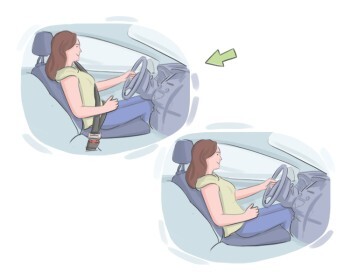
protected from any danger
în siguranță, protejat
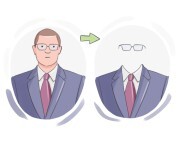
to vanish or cease to exist
dispărea, se evapora
Magicianul a făcut iepurele să dispare într-un nor de fum.
used to indicate a small number of items, people, or things
câțiva, puțini
Au fost câțiva oaspeți care au sosit devreme.
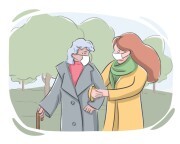
the act of providing treatment and paying attention to the physical and emotional needs of someone or something
îngrijire, atenție
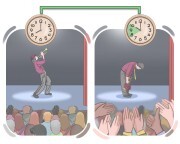
to maintain presence over a period
dura, persista
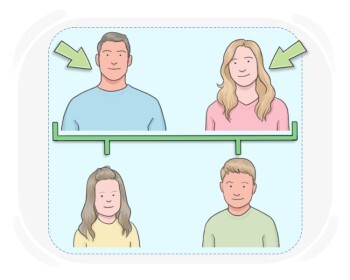
our mother or our father
părinte, mamă sau tată
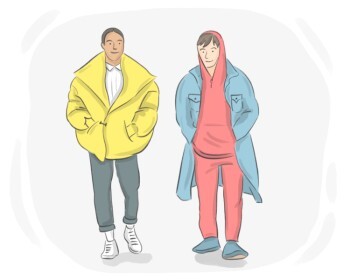
frequently found, happening, or seen
comun, frecvent
Este comun ca oamenii să schimbe cadouri de sărbători cu prietenii și familia.
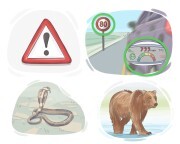
capable of destroying or causing harm to a person or thing
periculos
Traversarea străzii fără a te uita este periculoasă.
| Vocabular cheie pentru boli comune | |||
|---|---|---|---|
| Rece | Durere în gât | Durere de stomac | Febră |
| Durere de cap | Gripă | ||
