pattern

Le livre Solutions - Avancé - Unité 5 - 5C

Ici, vous trouverez le vocabulaire de l'Unité 5 - 5C dans le manuel Solutions Advanced, comme "conceder", "enquêter", "ressentir", etc.

Réviser

Flashcards

formes

Orthographe

Quiz

Commencer à apprendre
Solutions - Advanced
to admit
to admit
[verbe]

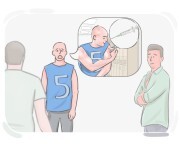
to agree with the truth of something, particularly in an unwilling manner

admettre, avouer
admettre, avouer

Ex: The manager admits that there are challenges in the current project. 
to advise
to advise
[verbe]

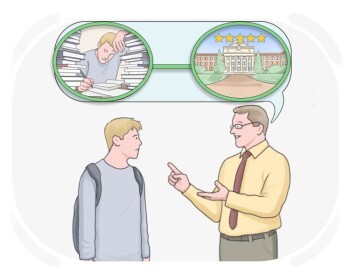
to provide someone with suggestion or guidance regarding a specific situation

conseiller
conseiller

Ex: Parents often advise their children to make responsible choices and decisions. 
to announce

to make plans or decisions known by officially telling people about them

annoncer

annoncer

Ex: The principal announces important events over the school intercom every morning. 
to argue
to argue
[verbe]

to speak to someone often angrily because one disagrees with them

se disputer, se quereller

se disputer, se quereller

Ex: I argued with the shopkeeper about the price of the shirt. 
to boast
to boast
[verbe]

to speak with excessive pride about one's achievements, possessions, abilities, or qualities

se vanter, fanfaronner

se vanter, fanfaronner

Ex: Emma boasted that she had finished the marathon in under four hours. 
to claim
to claim
[verbe]

to say that something is the case without providing proof for it

revendiquer

revendiquer

Ex: Some online platforms often claim the benefits of miracle weight-loss products. 
to complain

to express your annoyance, unhappiness, or dissatisfaction about something

se plaindre

se plaindre

Ex: The customers decided to complain about the poor service they received at the restaurant. 
to concede
to concede
[verbe]

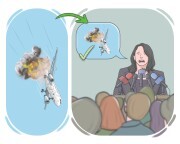
to admit, often reluctantly, that something is true or correct

concéder, admettre, reconnaître
concéder, admettre, reconnaître

Ex: He conceded that the plan had several serious weaknesses. 
to confirm
to confirm
[verbe]

to show or say that something is the case, particularly by providing proof

confirmer
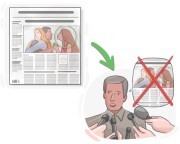
confirmer

Ex: He is confirming his suspicions about the leak after inspecting the pipes. 
to deny
to deny
[verbe]

to refuse to admit the truth or existence of something

nier
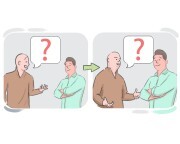
nier

Ex: The student had to deny cheating on the exam, insisting on the fairness of their answers. 
to dismiss
to dismiss
[verbe]

to disregard something as unimportant or unworthy of consideration

ignorer, écarter

ignorer, écarter

Ex: It's important not to dismiss the concerns of others without proper consideration. 
to doubt
to doubt
[verbe]

to not believe or trust in something's truth or accuracy

douter
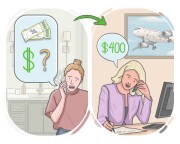
douter

Ex: The jury is currently doubting the credibility of the witness. 
to inquire
to inquire
[verbe]

to ask for or seek information about something

se renseigner, demander
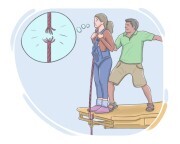
se renseigner, demander

Ex: David inquired whether the package had arrived. 
to fear
to fear
[verbe]

to feel anxious or afraid about a likely situation or event

craindre, avoir peur

craindre, avoir peur

Ex: She feared her injury would prevent her from competing in the finals. 
to inform
to inform
[verbe]

to give information about someone or something, especially in an official manner

informer

informer

Ex: The news anchor will inform the public of the latest developments in the ongoing investigation. 
to insist
to insist
[verbe]

to urgently demand someone to do something or something to take place

insister, persister

insister, persister

Ex: He insisted that the project be completed by the end of the week. 

Il a insisté pour que le projet soit terminé d'ici la fin de la semaine.

to mention
to mention
[verbe]

to say something about someone or something, without giving much detail

mentionner

mentionner

Ex: He didn't mention the party until the last minute, catching us by surprise. 
to object
to object
[verbe]

to give a fact or an opinion as a reason against something

émettre une objection

émettre une objection

Ex: The lawyer objected that the witness's statement was irrelevant to the case. 
to observe
to observe
[verbe]

to carefully watch something in order gain knowledge or understanding about the subject

observer

observer

Ex: During the experiment, the researchers observed a significant decrease in temperature after the chemical reaction. 
to propose
to propose
[verbe]

to put forward a suggestion, plan, or idea for consideration

proposer

proposer

Ex: The committee proposed a budget for the upcoming fiscal year, taking into account projected expenses and revenue. 
to protest
to protest
[verbe]

to show disagreement by taking action or expressing it verbally, particularly in public

protester

protester

Ex: The community members held signs and chanted slogans to protest the closure of their local library. 
to question

to have or express uncertainty about something

contester

contester

Ex: The students questioned the accuracy of the textbook's information and sought additional sources for verification. 
to recommend

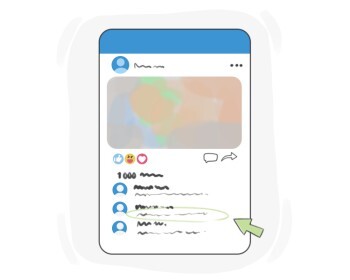
to suggest to someone that something is good, convenient, etc.

recommander
recommander

Ex: Right now, the consultant is recommending new strategies for business growth. 
to regret
to regret
[verbe]

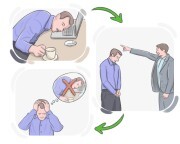
to feel sorry or disappointed about something that happened or that one did or failed to do

regretter,  avoir des regrets
regretter, avoir des regrets

Ex: Emma immediately regretted the angry message she had sent. 
to remark
to remark
[verbe]

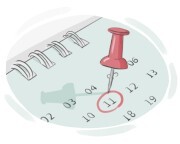
to express one's opinion through a statement

faire remarquer
faire remarquer

Ex: During the presentation, the audience was encouraged to remark on the key points by writing down their thoughts. 
to remind
to remind
[verbe]

to make a person remember an obligation, task, etc. so that they do not forget to do it

rappeler

rappeler

Ex: Parents often remind their children to complete their homework. 
to resent
to resent
[verbe]

to feel irritated, angry, or displeased about something

en vouloir à

en vouloir à

Ex: He resents his coworker for taking credit for his ideas during the meeting. 

Il en veut à son collègue d'avoir pris le crédit de ses idées pendant la réunion.

to reveal
to reveal
[verbe]

to make information that was previously unknown or kept in secrecy publicly known

révéler

révéler

Ex: The leaked documents revealed the government's covert surveillance program. 
to threaten

to say that one is willing to damage something or hurt someone if one's demands are not met

menacer

menacer

Ex: The bully threatened to beat up the smaller kid if they didn't give him their lunch money. 
to warn
to warn
[verbe]

to tell someone in advance about a possible danger, problem, or unfavorable situation

avertir, prévenir

avertir, prévenir

Ex: The software system warned users about potential security risks. 
LanGeek
Télécharger l'application LanGeek