pattern

Książka Solutions - Zaawansowany - Jednostka 5 - 5C

Tutaj znajdziesz słownictwo z Unitu 5 - 5C w podręczniku Solutions Advanced, takie jak "przyznać", "pytać", "urazić się" itp.

Przegląd

Fiszki

formy

Pisownia

Test

Zacznij naukę
Solutions - Advanced
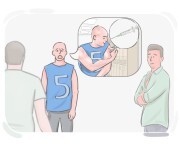
to admit
to admit
[Czasownik]

to agree with the truth of something, particularly in an unwilling manner

przyznawać, uznawać
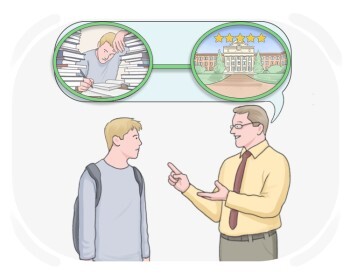
przyznawać, uznawać

Ex: She admits her mistakes openly during team meetings. 
to advise
to advise
[Czasownik]

to provide someone with suggestion or guidance regarding a specific situation

radzić, zalecać

radzić, zalecać

Ex: The doctor advised the patient to maintain a healthy diet and exercise for overall well-being. 
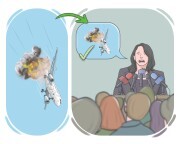
to announce
to announce
[Czasownik]

to make plans or decisions known by officially telling people about them

ogłaszać, zawiadamiać

ogłaszać, zawiadamiać

Ex: The CEO announces the company's quarterly results during the board meeting. 
to argue
to argue
[Czasownik]

to speak to someone often angrily because one disagrees with them

kłócić się, sprzeczać się

kłócić się, sprzeczać się

Ex: He argues with everyone at work; it's so annoying! 
to boast
to boast
[Czasownik]

to talk with excessive pride about one's achievements, abilities, etc. in order to draw the attention of others

przechwalać się, chwalić się

przechwalać się, chwalić się

Ex: During the interview, the candidate couldn't help but boast about their extensive experience and impressive track record 
to claim
to claim
[Czasownik]

to say that something is the case without providing proof for it

twierdzić, utrzymywać

twierdzić, utrzymywać

Ex: The controversial article regularly claims that a UFO sighting occurred last night. 
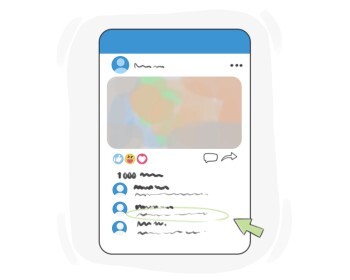
to complain
to complain
[Czasownik]

to express your annoyance, unhappiness, or dissatisfaction about something

narzekać, skarżyć się

narzekać, skarżyć się

Ex: Emily likes to complain about the long commute to work every morning. 
to concede
to concede
[Czasownik]

to reluctantly admit that something is true after denying it first

przyznać, niechętnie przyznać

przyznać, niechętnie przyznać

Ex: After a heated debate, he finally conceded that he might have been wrong. 
to confirm
to confirm
[Czasownik]

to show or say that something is the case, particularly by providing proof

potwierdzać, weryfikować
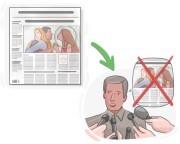
potwierdzać, weryfikować

Ex: The doctor confirmed the diagnosis with the results of the blood test. 
to deny
to deny
[Czasownik]

to refuse to admit the truth or existence of something

zaprzeczać, odrzucać
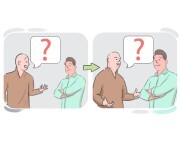
zaprzeczać, odrzucać

Ex: The accused continued to deny any involvement in the theft, despite the evidence. 
to dismiss
to dismiss
[Czasownik]

to disregard something as unimportant or unworthy of consideration

ignorować, odrzucać

ignorować, odrzucać

Ex: She regularly dismisses suggestions that deviate from the established plan. 
to doubt
to doubt
[Czasownik]

to not believe or trust in something's truth or accuracy

wątpić, powątpiewać
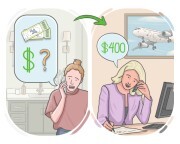
wątpić, powątpiewać

Ex: She began to doubt her decision after receiving conflicting advice. 
to inquire
to inquire
[Czasownik]

to ask for information, clarification, or an explanation

pytać, dopytywać

pytać, dopytywać

Ex: I called the customer service hotline to inquire about my order status. 
to fear
to fear
[Czasownik]

to feel anxious or afraid about a likely situation or event

bać się, obawiać się

bać się, obawiać się

Ex: He feared that his secrets would come to light during the investigation. 
to inform
to inform
[Czasownik]

to give information about someone or something, especially in an official manner

informować, powiadamiać

informować, powiadamiać

Ex: The teacher informed the students about the upcoming exam schedule and its format. 
to insist
to insist
[Czasownik]

to urgently demand someone to do something or something to take place

nalegać, żądać

nalegać, żądać

Ex: She insisted on paying for dinner, despite our protests. 
to mention
to mention
[Czasownik]

to say something about someone or something, without giving much detail

wspomnieć, wymienić

wspomnieć, wymienić

Ex: During the meeting, please mention any concerns or suggestions you may have. 
to object
to object
[Czasownik]

to give a fact or an opinion as a reason against something

sprzeciwiać się, protestować

sprzeciwiać się, protestować

Ex: She objected that the new rule would unfairly penalize part-time employees. 
to observe
to observe
[Czasownik]

to carefully watch something in order gain knowledge or understanding about the subject

obserwować, badać

obserwować, badać

Ex: Scientists observe the behavior of animals in their natural habitats. 
to propose
to propose
[Czasownik]

to put forward a suggestion, plan, or idea for consideration

proponować, sugerować

proponować, sugerować

Ex: He proposed a new strategy for increasing productivity during the team meeting, outlining specific steps for implementation. 
to protest
to protest
[Czasownik]

to show disagreement by taking action or expressing it verbally, particularly in public

protestować, demonstrować

protestować, demonstrować

Ex: Employees decided to protest the unfair working conditions by organizing a strike. 
to question
to question
[Czasownik]

to have or express uncertainty about something

kwestionować, wątpić
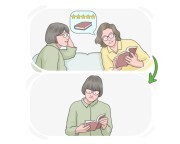
kwestionować, wątpić

Ex: She questioned the validity of the research findings due to inconsistencies in the data. 
to recommend
to recommend
[Czasownik]

to suggest to someone that something is good, convenient, etc.

polecać, radzić
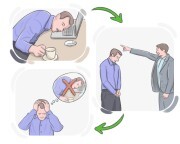
polecać, radzić

Ex: She regularly recommends this book to anyone interested in history. 
to regret
to regret
[Czasownik]

to feel sad, sorry, or disappointed about something that has happened or something that you have done, often wishing it had been different

żałować, ubolewać

żałować, ubolewać

Ex: She regretted not studying harder for the exam and wished she had put in more effort. 
to remark
to remark
[Czasownik]

to express one's opinion through a statement

zauważyć, skomentować
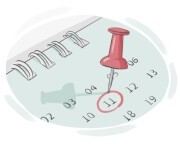
zauważyć, skomentować

Ex: After tasting the dish, she couldn't help but remark on the chef's exceptional culinary skills. 
to remind
to remind
[Czasownik]

to make a person remember an obligation, task, etc. so that they do not forget to do it

przypominać, uświadamiać
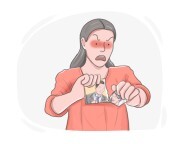
przypominać, uświadamiać

Ex: The manager regularly reminds employees of upcoming deadlines. 
to resent
to resent
[Czasownik]

to feel irritated, angry, or displeased about something

urażać się, czuć urazę

urażać się, czuć urazę

Ex: She resents having to do all the household chores while her siblings do nothing. 
to reveal
to reveal
[Czasownik]

to make information that was previously unknown or kept in secrecy publicly known

ujawniać, odkrywać

ujawniać, odkrywać

Ex: In her memoir, the author courageously revealed her struggles with mental illness. 
to threaten
to threaten
[Czasownik]

to say that one is willing to damage something or hurt someone if one's demands are not met

grozić

grozić

Ex: The robber threatened the store clerk with a knife if they didn't hand over the money. 
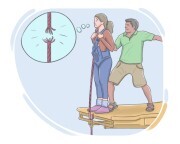
to warn
to warn
[Czasownik]

to tell someone in advance about a possible danger, problem, or unfavorable situation

ostrzegać, upominać

ostrzegać, upominać

Ex: The weather forecast warned residents of an approaching storm. 
LanGeek
Pobierz aplikację LanGeek