
Le livre Four Corners 2 - Unité 9 Leçon D
Ici, vous trouverez le vocabulaire de l'Unité 9 Leçon D du manuel Four Corners 2, comme "retour", "banquier", "prêt", etc.
Réviser
Flashcards
Orthographe
Quiz


the way that two or more people or things are different from each other

différence
Il y a une différence notable de goût entre le café ordinaire et l'espresso.

a group of people or things that have similar characteristics or share particular qualities
sorte
Le fermier a cultivé des cultures de différents genres, y compris le blé, le maïs et les pommes de terre.

a person who owns a bank or holds an important position in one
banquier, banquière

to spend time to learn about certain subjects by reading books, going to school, etc.
étudier
Il préfère étudier dans la bibliothèque où c'est calme et propice à l'apprentissage.

to go or come back to a place or person after being away
retourner
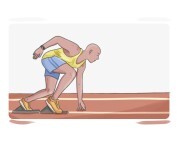
to begin something new and continue doing it, feeling it, etc.
commencer
J'ai commencé à apprendre une nouvelle langue le mois dernier.
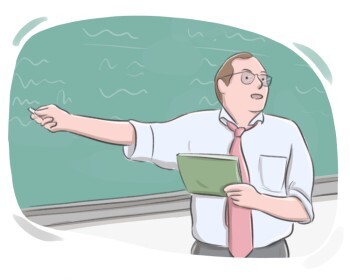
to give lessons to students in a university, college, school, etc.
enseigner
Le professeur enseignera un cours sur les sciences de l'environnement ce semestre.
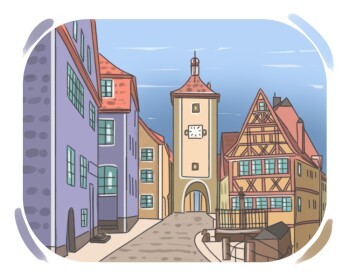
a very small town located in the countryside
village
Dans le village, tout le monde se connaissait par son nom, créant un fort sentiment de communauté.
owning a very small amount of money or a very small number of things
pauvre
Le pauvre mendiant était assis dans la rue, demandant de l'aide aux passants.
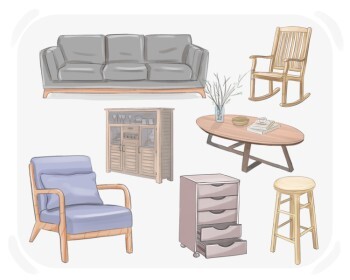
pieces of equipment such as tables, desks, beds, etc. that we put in a house or office so that it becomes suitable for living or working in
meubles
La salle à manger a une table et des chaises comme meubles.

to the degree or extent needed for a particular purpose
assez
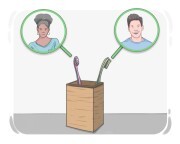
used for showing that someone or something belongs to or is connected with a particular person or thing
propre
Elle conduit sa propre voiture au travail tous les jours.
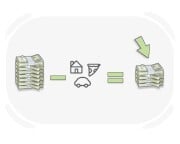
the sum of money that is gained after all expenses and taxes are paid
bénéfice
Les investisseurs recherchent des opportunités pour maximiser le profit en analysant les tendances du marché et en identifiant les secteurs de croissance potentiels.
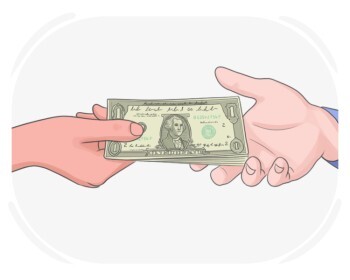
to give someone something, such as an amount of money, with the understanding that it will be returned
prêter
Pouvez-vous me prêter un peu d'argent jusqu'à ce que je sois payé la semaine prochaine ?

a period or state where there is no war or violence
paix
Le cessez-le-feu a apporté un arrêt temporaire des hostilités, permettant aux civils de enfin connaître une paix.
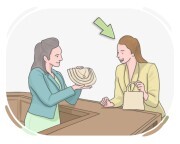
a person, organization, company, etc. that pays to get things from businesses or stores
client, cliente
Le client a remercié le vendeur pour son aide.

the fact of reaching what one tried for or desired
succès, réussite
Le succès est souvent le résultat de la persévérance et de la résilience face aux défis.
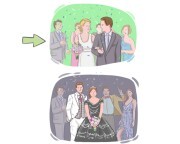
generally accepted and followed by many people
conventionnel
Il est conventionnel de se serrer la main lorsqu'on rencontre quelqu'un pour la première fois dans de nombreux pays occidentaux.

completely or without any limitation or exception
absolument

a person who studies economics or has expert knowledge of how economies work
économiste

an educational institution at the highest level, where we can study for a degree or do research
université
Elle fréquente une université prestigieuse connue pour son programme d'ingénierie.
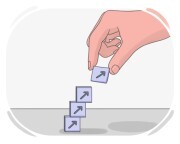
to not stop something, such as a task or activity, and keep doing it
continuer
La pluie a continué à tomber toute la journée.
