pattern

El libro Four Corners 2 - Unidad 9 Lección D

Aquí encontrarás el vocabulario de la Unidad 9 Lección D del libro de curso Four Corners 2, como "devolver", "banquero", "préstamo", etc.

Revisión

Tarjetas de memoria

formas

Ortografía

Cuestionario

Empezar a aprender
Four Corners 2
difference
difference
[Sustantivo]

the way that two or more people or things are different from each other

diferencia

diferencia

Ex: Can you explain the difference between these two models of smartphones? 
kind
kind
[Sustantivo]

a group of people or things that have similar characteristics or share particular qualities

tipo, clase

tipo, clase

Ex: At the museum, you can explore artifacts and relics from different historical kinds. 
banker
banker
[Sustantivo]

a person who possesses or has a high rank in a bank or any other financial institution

banquero

banquero

Ex: As a banker, she oversees the lending operations and financial services offered to clients. 
to study
to study
[Verbo]

to spend time to learn about certain subjects by reading books, going to school, etc.

estudiar

estudiar

Ex: She spends hours every day to study for her upcoming exams. 
to return
to return
[Verbo]

to go or come back to a person or place

regresar

regresar

Ex: After a long vacation, it's time to return home. 
to start
to start
[Verbo]

to begin something new and continue doing it, feeling it, etc.

comenzar, empezar

comenzar, empezar

Ex: He started singing along to the song on the radio. 
to teach
to teach
[Verbo]

to give lessons to students in a university, college, school, etc.

enseñar
enseñar

Ex: She teaches yoga to promote health and well-being. 
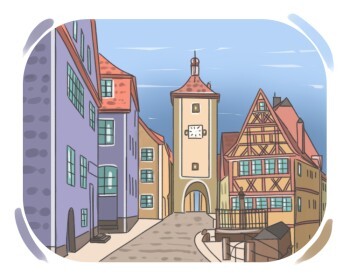
village
village
[Sustantivo]

a very small town located in the countryside

pueblo
pueblo

Ex: The quaint village nestled amidst rolling hills attracted tourists seeking a peaceful retreat. 
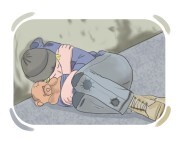
poor
poor
[Adjetivo]

owning a very small amount of money or a very small number of things

pobre
pobre

Ex: He wanted to help the poor family who were struggling to afford basic necessities like food and clothing. 
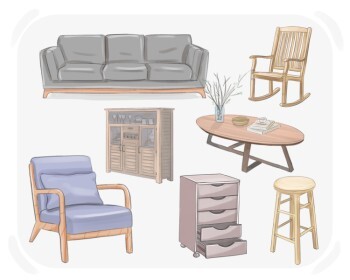
furniture
furniture
[Sustantivo]

pieces of equipment such as tables, desks, beds, etc. that we put in a house or office so that it becomes suitable for living or working in

muebles

muebles

Ex: My father cleaned and polished the wooden furniture to keep it looking nice. 
enough
enough
[Adverbio]

to a degree or extent that is sufficient or necessary

lo suficiente, bastante
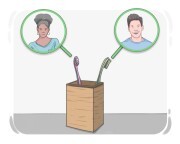
lo suficiente, bastante

Ex: The team had trained hard and believed they were fit enough for the upcoming match. 
own
own
[Adjetivo]

used for showing that someone or something belongs to or is connected with a particular person or thing

propio
propio

Ex: Each plant has its own pot in the garden. 
profit
profit
[Sustantivo]

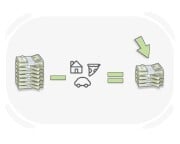
the sum of money that is gained after all expenses and taxes are paid

beneficios

beneficios

Ex: The company reported a significant profit for the fiscal year, reflecting efficient operations and strong sales. 
to loan
to loan
[Verbo]

to give someone something, such as an amount of money, with the understanding that it will be returned

prestar

prestar

Ex: The bank agreed to loan her the funds for purchasing a new car. 
peace
peace
[Sustantivo]

a period or state where there is no war or violence

paz

paz

Ex: After years of conflict, the region finally experienced a period of lasting peace and stability. 
customer
customer
[Sustantivo]

a person, organization, company, etc. that pays to get things from businesses or stores

cliente

cliente

Ex: The customer couldn't find the dress in her size. 
success
success
[Sustantivo]

the fact of reaching what one tried for or desired

éxito

éxito

Ex: His hard work and determination finally led to the success he had been striving for. 
conventional
conventional
[Adjetivo]

generally accepted and followed by many people

convencional

convencional

Ex: In many cultures, it is conventional for brides to wear white dresses on their wedding day. 
absolutely
absolutely
[Adverbio]

in a total or complete way

absolutamente

absolutamente

Ex: I absolutely forgot about the meeting. 
economist
economist
[Sustantivo]

a professional who studies and analyzes economic theories, trends, and data to provide insights into economic issues

economista

economista

Ex: The economist predicted a downturn in the housing market based on current economic indicators. 
university
university
[Sustantivo]

an educational institution at the highest level, where we can study for a degree or do research

universidad
universidad

Ex: I will graduate from university next year with a degree in psychology. 
to continue

to not stop something, such as a task or activity, and keep doing it

continuar

continuar

Ex: They will continue practicing the piano to improve their skills. 
LanGeek
Descargar la aplicación LanGeek