
Książka Four Corners 2 - Jednostka 9 Lekcja D
Tutaj znajdziesz słownictwo z Unit 9 Lesson D w podręczniku Four Corners 2, takie jak "zwrot", "bankier", "pożyczka" itp.
Przegląd
Fiszki
formy
Pisownia
Test

the way that two or more people or things are different from each other

różnica
Czy możesz wyjaśnić różnicę między tymi dwoma modelami smartfonów?

a group of people or things that have similar characteristics or share particular qualities
rodzaj, kategoria
W muzeum możesz eksplorować artefakty i relikwie z różnych historycznych rodzajów.

a person who possesses or has a high rank in a bank or any other financial institution
bankier, dyrektor banku
Bankier zatwierdził wniosek o pożyczkę po przejrzeniu historii kredytowej i sprawozdań finansowych pożyczkobiorcy.

to spend time to learn about certain subjects by reading books, going to school, etc.
uczyć się
Spędza godziny każdego dnia na nauce do nadchodzących egzaminów.

to go or come back to a person or place
wracać, powrócić
Po długich wakacjach czas wrócić do domu.
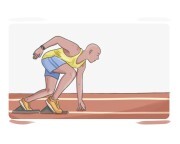
to begin something new and continue doing it, feeling it, etc.
zaczynać, rozpoczynać
On zaczął śpiewać razem z piosenką w radiu.
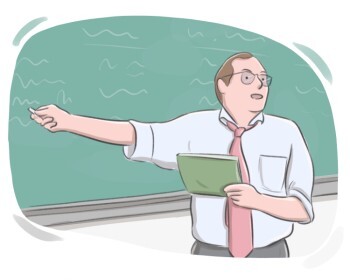
to give lessons to students in a university, college, school, etc.
uczyć, prowadzić zajęcia
On uczy matematyki w liceum i jest bardzo lubiany przez uczniów.
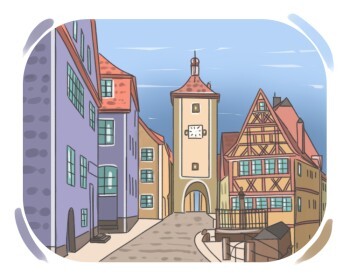
a very small town located in the countryside
wieś, wioska
Malownicza wioska położona wśród falistych wzgórz przyciągała turystów poszukujących spokojnego schronienia.
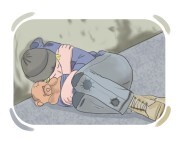
owning a very small amount of money or a very small number of things
biedny, potrzebujący
Chciał pomóc biednej rodzinie, która miała trudności z zakupem podstawowych artykułów, takich jak żywność i odzież.
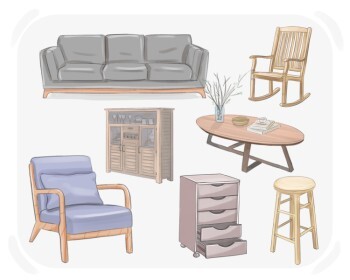
pieces of equipment such as tables, desks, beds, etc. that we put in a house or office so that it becomes suitable for living or working in
meble
Kupiliśmy nowe meble do naszej sypialni, w tym łóżko i szafę.

to a degree or extent that is sufficient or necessary
wystarczająco, dość
Zespół ciężko trenował i wierzył, że jest wystarczająco sprawny na nadchodzący mecz.
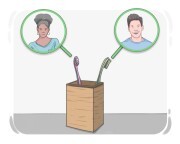
used for showing that someone or something belongs to or is connected with a particular person or thing
własny, osobisty
Każda roślina ma własną doniczkę w ogrodzie.
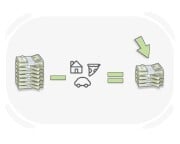
the sum of money that is gained after all expenses and taxes are paid
zysk, profit
Przedsiębiorca zainwestował ponownie część zysku z powrotem w firmę, aby sfinansować inicjatywy ekspansji i innowacji.
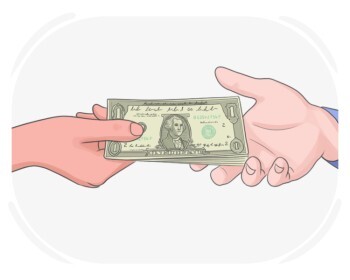
to give someone something, such as an amount of money, with the understanding that it will be returned
pożyczać, udzielić pożyczki
Bank zgodził się pożyczyć jej środki na zakup nowego samochodu.

a period or state where there is no war or violence
pokój
Społeczność współpracowała, aby utrzymać pokój i zapobiec przemocy.
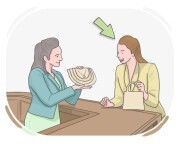
a person, organization, company, etc. that pays to get things from businesses or stores
klient, nabywca
Sklep oferuje pełny zwrot pieniędzy, jeśli klient jest niezadowolony.

the fact of reaching what one tried for or desired
sukces, osiągnięcie
Jego ciężka praca i determinacja w końcu doprowadziły do sukcesu, o który zabiegał.
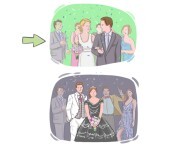
generally accepted and followed by many people
konwencjonalny, tradycyjny
Konwencjonalne jest, aby pracownicy ubierali się formalnie na rozmowy kwalifikacyjne.

in a total or complete way
absolutnie, całkowicie
W pokoju było absolutnie cicho.

a professional who studies and analyzes economic theories, trends, and data to provide insights into economic issues
ekonomista
Podjął karierę jako ekonomista specjalizujący się w ekonomii środowiska.

an educational institution at the highest level, where we can study for a degree or do research
uniwersytet
W przyszłym roku ukończę uniwersytet z dyplomem z psychologii.
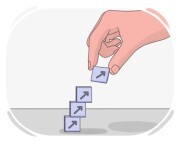
to not stop something, such as a task or activity, and keep doing it
kontynuować, nadal
Będą kontynuować ćwiczenie gry na pianinie, aby poprawić swoje umiejętności.
