
Le livre Face2face - Élémentaire - Unité 10 - 10A
Ici, vous trouverez le vocabulaire de l'Unité 10 - 10A dans le manuel Face2Face Elementary, comme "escalier mécanique", "stressé", "porter", etc.
Réviser
Flashcards
formes
Orthographe
Quiz
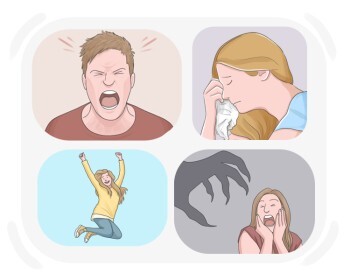
to experience a specific condition, state, or action

devenir
Nous devrions nous organiser avant de commencer le projet.
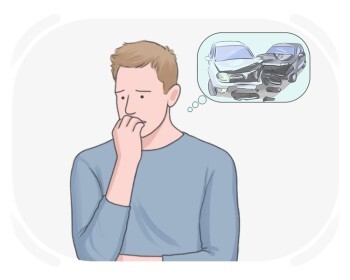
feeling so anxious that makes one unable to relax
stressé, tendu
Après une longue journée de travail, il était complètement stressé et avait besoin de se détendre.
to pass time in a particular manner or in a certain place
passer, occuper
Ils ont passé l'après-midi à faire de la randonnée en montagne.
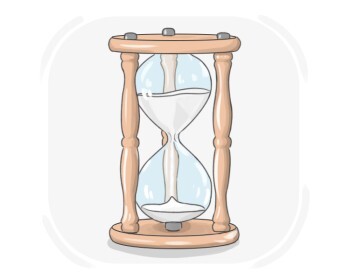
the quantity that is measured in seconds, minutes, hours, etc. using a device like clock
heure
Je suis toujours en retard, je dois travailler à mieux gérer mon temps.
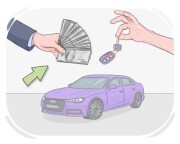
to use money as a payment for services, goods, etc.
dépenser
Je dois faire attention à ne pas dépenser trop pour des articles inutiles.
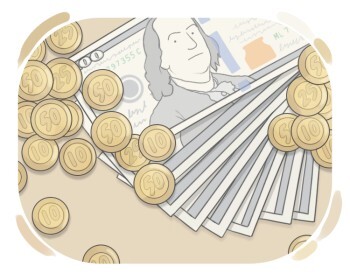
something that we use to buy and sell goods and services, can be in the form of coins or paper bills
argent
Mes parents me donnent de l'argent de poche chaque semaine.
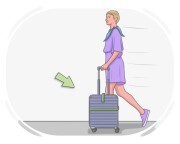
to hold someone or something and take them from one place to another
porter
Le camion de livraison transportera les marchandises à l'entrepôt.
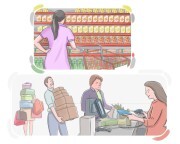
the act of buying goods from stores
shopping
Les achats en ligne sont devenus populaires récemment.

to have the ability to support, handle, or take on the pressure or responsibility of something
porter, supporter
L'entrepreneur a construit une entreprise qui pouvait supporter le fardeau financier de l'expansion et de nouveaux investissements.
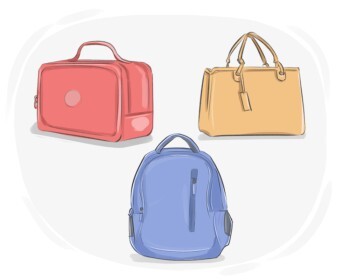
something made of leather, cloth, plastic, or paper that we use to carry things in, particularly when we are traveling or shopping
sac
Il porte un sac de gym avec ses vêtements de sport et sa bouteille d'eau.
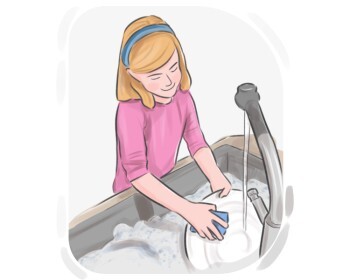
to clean someone or something with water, often with a type of soap
laver
Je dois laver mes chaussures; elles sont sales.
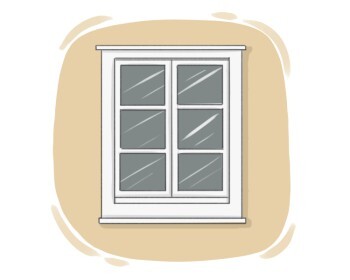
a space in a wall or vehicle that is made of glass and we use to look outside or get some fresh air
fenêtre
Elle regarda par la fenêtre et vit un arc-en-ciel au loin.
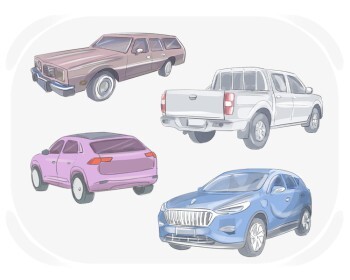
a road vehicle that has four wheels, an engine, and a small number of seats for people
voiture
La voiture de mon père a besoin d'un changement d'huile.
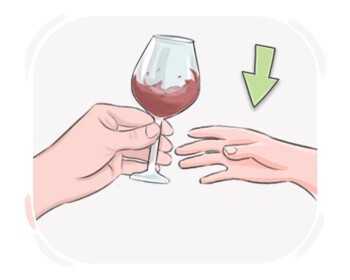
to reach for something and hold it
prendre
Il a pris le chiot dans ses bras et l'a caressé.
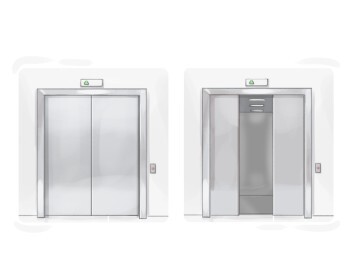
a box-like device that goes up and down and is used to get to the different floors of a building
ascenseur
Ils ont pris l'ascenseur pour se rendre au 10e étage pour leur réunion.
a staircase that moves and takes people up or down different levels easily, often found in large buildings like airports, department stores, etc.
escalier roulant, escalator
Le grand magasin a installé un nouvel escalier mécanique pour améliorer l'accessibilité entre les étages pour les clients.
(dummy verb) to perform an action that is specified by a noun
[verbe factice]
Il a eu un essai pour résoudre le puzzle difficile.
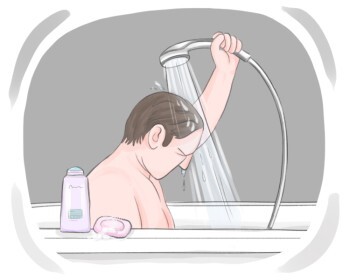
the action of washing our body in a bathtub by putting it into water
bain
Il prend toujours un bain avant de se coucher.
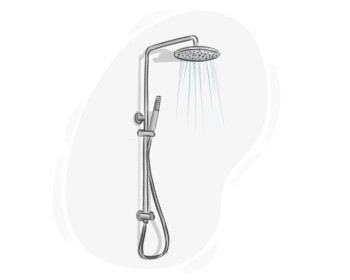
a piece of equipment that flows water all over your body from above
douche
La chambre d'hôtel avait une douche luxueuse avec plusieurs pommes de douche et une pression d'eau réglable.
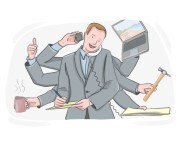
to perform an action that is not mentioned by name
faire
Je ne suis pas sûr de ce qu'il faut faire dans cette situation ; c'est assez déroutant.
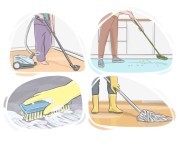
regular work done in a house, especially cleaning, washing, etc.
ménage
Il préfère diviser les tâches ménagères en tâches gérables pour ne pas se sentir débordé.
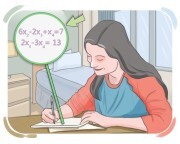
a mental or physical activity that helps keep our mind and body healthy
exercice
L'exercice régulier est important pour votre santé.
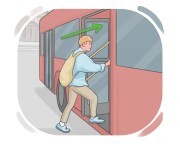
to enter a bus, ship, airplane, etc.
monter
Elle est montée dans le train pour son trajet quotidien.
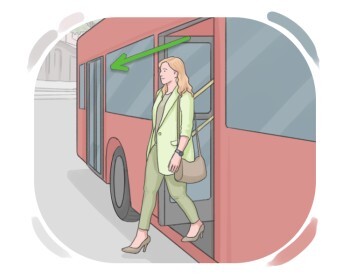
to leave a bus, train, airplane, etc.
descendre
Il a réussi à descendre du bateau qui coulait juste à temps.
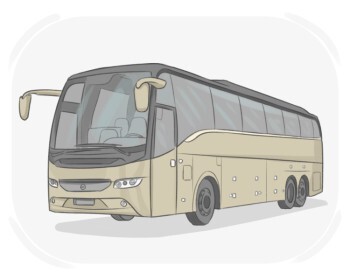
a large vehicle that carries many passengers by road
bus
Le bus est arrivé juste à temps, donc je n'ai pas eu à attendre longtemps.
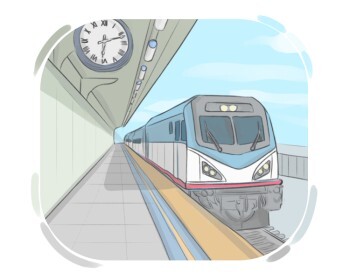
a series of connected carriages that travel on a railroad, often pulled by a locomotive
train
J'ai raté mon train, alors j'ai dû prendre le suivant.
the number of times an event recurs in a unit of time
fréquence
Le médecin a demandé la fréquence de ses maux de tête.
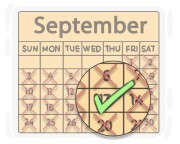
for one single time
une fois
Le bus passe une fois par heure.
each of the twelve named divisions of the year, like January, February, etc.
mois
Mon père paie ses factures au début du mois.
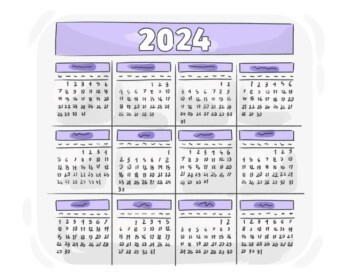
a period of time that is made up of twelve months, particularly one that starts on January first and ends on December thirty-first
an, année
Mon anniversaire est en janvier, donc je commence l'année avec une célébration.
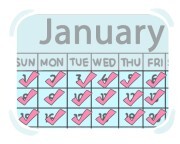
taking place each day
quotidien, quotidienne, courant
Vérifier les emails est une tâche quotidienne qu'elle gère dès le matin.
in a way that happens or is done regularly and consistently every week without exception
chaque semaine, toutes les semaines
Ils se rencontrent pour le déjeuner chaque semaine pour se tenir au courant de leurs vies respectives.
once during each month, in a regular pattern
chaque mois, tous les mois
Il va chez le dentiste chaque mois pour des contrôles réguliers.
used to refer to something that happens or recurs once each year without exception
chaque année, tous les ans
Chaque année, l'entreprise organise un gala pour célébrer ses réalisations.
to start to have an idea, impression, or feeling
se sentir, avoir l'impression que
Après avoir entendu son explication, j'ai eu l'idée qu'il y avait plus dans l'histoire.
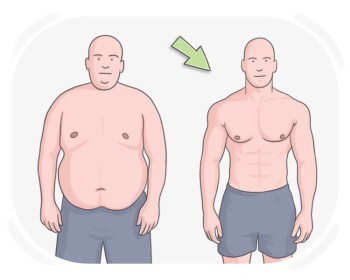
healthy and strong, especially due to regular physical exercise or balanced diet
en (bonne) forme
Il fait de l'exercice régulièrement, donc il est très en forme et plein d'énergie.
