
Kniha Face2face - Základní - Jednotka 10 - 10A
Zde najdete slovní zásobu z jednotky 10 - 10A v učebnici Face2Face Elementary, jako "escalátor", "ve stresu", "nést" apod.
Revize
Kartičky
tvary
Pravopis
Kvíz
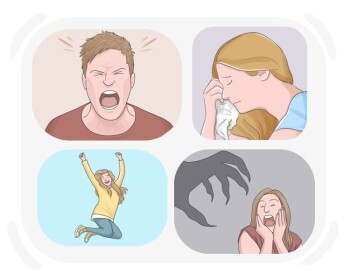
to experience a specific condition, state, or action

dostat, stát se
Znudilo ji čekání na vlak a začala číst knihu.
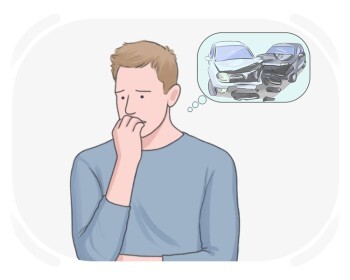
feeling so anxious that makes one unable to relax
vystresovaný, úzkostný
Všichni vypadali vystresovaně, když se připravovali na velkou prezentaci.
to pass time in a particular manner or in a certain place
trávit, utrácet
Svůj volný čas tráví cvičením na kytaru.
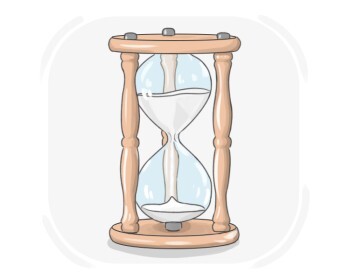
the quantity that is measured in seconds, minutes, hours, etc. using a device like clock
čas
Měli jsme skvělý čas na večírku.
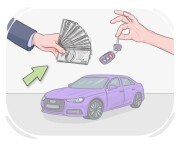
to use money as a payment for services, goods, etc.
utrácet, vydávat
Ona nerada utrácí peníze za věci, které nepotřebuje.
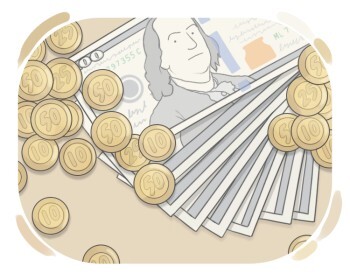
something that we use to buy and sell goods and services, can be in the form of coins or paper bills
peníze, měna
Pracuje tvrdě, aby vydělala peníze na své školné.
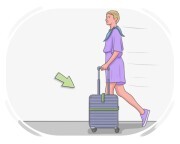
to hold someone or something and take them from one place to another
nést, přepravovat
Použila batoh, aby přenesla své knihy do školy.
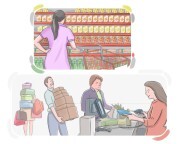
the act of buying goods from stores
nakupování, shopping
Plánují nákupní výlet tento víkend.

to have the ability to support, handle, or take on the pressure or responsibility of something
nést, snášet
Jako CEO musela nést odpovědnost za přijímání klíčových rozhodnutí.
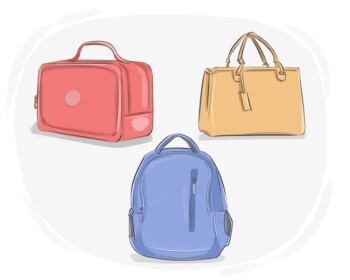
something made of leather, cloth, plastic, or paper that we use to carry things in, particularly when we are traveling or shopping
taška, pytel
Naplnili jsme naši plážovou tašku opalovacím krémem, ručníky a plážovými hračkami.
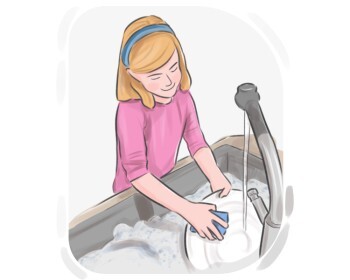
to clean someone or something with water, often with a type of soap
mýt, čistit
Měli bychom umýt zeleninu před vařením.
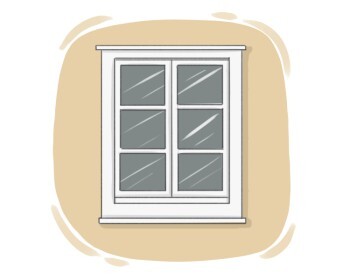
a space in a wall or vehicle that is made of glass and we use to look outside or get some fresh air
okno, sklo
Okno mělo průhledné sklo, které propouštělo sluneční světlo.
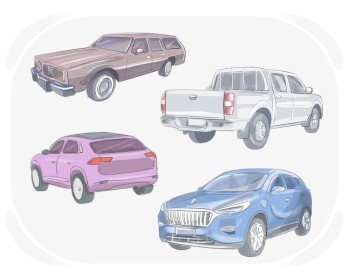
a road vehicle that has four wheels, an engine, and a small number of seats for people
auto
Jedeme na road trip a pronajímáme si auto.
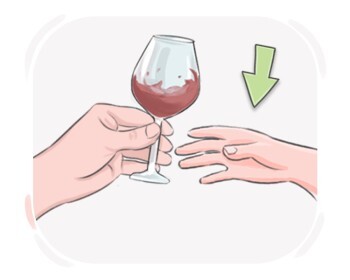
to reach for something and hold it
vzít, uchopit
Vzala si sušenku, kterou jsem jí nabídl, a poděkovala mi.
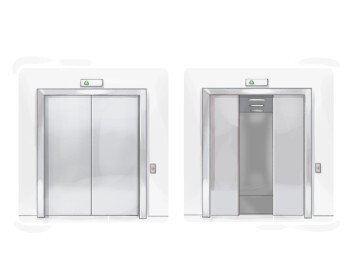
a box-like device that goes up and down and is used to get to the different floors of a building
výtah
Kancelářská budova měla minulý týden nainstalován nový, vysokorychlostní výtah.
a staircase that moves and takes people up or down different levels easily, often found in large buildings like airports, department stores, etc.
eskalátor, pojízdné schody
Trpělivě stál na escalátoru, užíval si pohodlný výstup do nejvyššího patra obchodního centra.
(dummy verb) to perform an action that is specified by a noun
mít, dělat
Obvykle máme ráno trénink v posilovně.
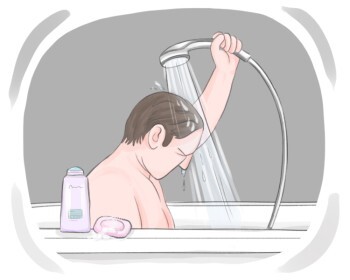
the action of washing our body in a bathtub by putting it into water
koupel, vana
Po koupeli se zabalila do županu.
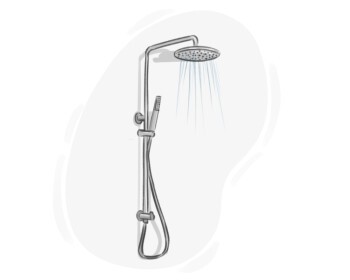
a piece of equipment that flows water all over your body from above
sprcha, sprchový kout
Zapnula sprchu a čekala, až se voda ohřeje.

to perform an action that is not mentioned by name
dělat, provádět
Musím něco udělat s mým nepořádným pokojem; je v nepořádku.
regular work done in a house, especially cleaning, washing, etc.
domácí práce, domácí povinnosti
Často poslouchají hudbu při domácích pracích, aby byly úkoly příjemnější.
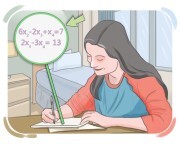
a mental or physical activity that helps keep our mind and body healthy
cvičení, fyzická aktivita
Jóga je skvělé cvičení pro relaxaci a flexibilitu.
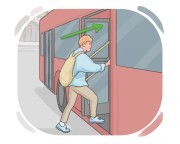
to enter a bus, ship, airplane, etc.
nastoupit, vstoupit
Musíme si pospíšit, pokud chceme nastoupit do autobusu.
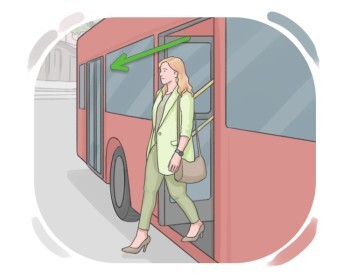
to leave a bus, train, airplane, etc.
vystoupit, opustit
Byl poslední, kdo vystoupil z metra na konečné stanici.
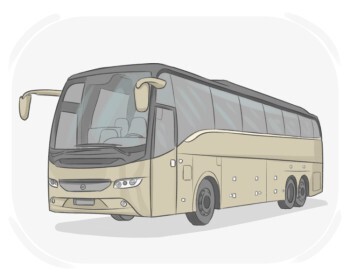
a large vehicle that carries many passengers by road
autobus, městský autobus
Autobus byl plný, takže jsem musel celou cestu stát.
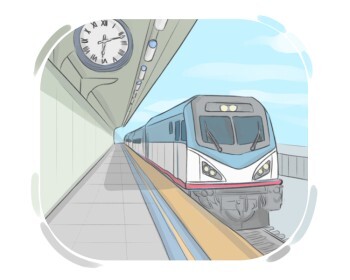
a series of connected carriages that travel on a railroad, often pulled by a locomotive
vlak, vlaková souprava
Vlak projel krásným venkovem.
the number of times an event recurs in a unit of time
frekvence, počet opakování
Byla překvapená frekvencí, s jakou společnost pořádala schůzky.
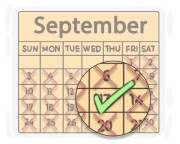
for one single time
jednou, jen jednou
Jednou uklouzl na ledě, ale chytil se.
each of the twelve named divisions of the year, like January, February, etc.
měsíc
Máme rodinné setkání každý měsíc.
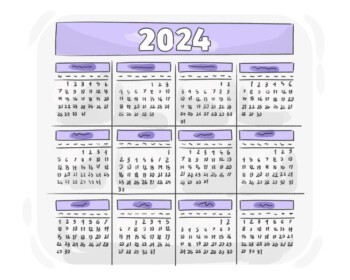
a period of time that is made up of twelve months, particularly one that starts on January first and ends on December thirty-first
rok, léto
Rok je rozdělen na dvanáct měsíců, každý měsíc má své vlastní jedinečné charakteristiky.
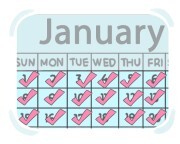
taking place each day
každodenní, denní
Každodenní hluk dopravy za jejím oknem ji už skoro neobtěžuje.
in a way that happens or is done regularly and consistently every week without exception
každý týden, týdně
Chodí nakupovat potraviny každý týden, aby doplnila základní potřeby své kuchyně.
once during each month, in a regular pattern
každý měsíc, měsíčně
Každý měsíc si domlouvá kadeřnické schůzky, aby si udržela svůj styl čerstvý.
used to refer to something that happens or recurs once each year without exception
každý rok, ročně
Obnovuje své členství v posilovně každý rok, aby zůstal ve formě.
to start to have an idea, impression, or feeling
dostat, cítit
Když mluvil, dostal jsem pocit, že je projektem nadšený.
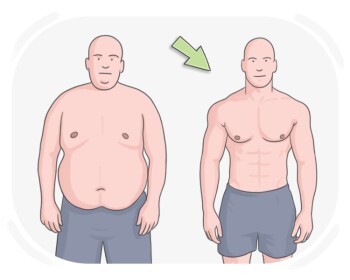
healthy and strong, especially due to regular physical exercise or balanced diet
fit, zdravý
Lékaři často doporučují pravidelné cvičení a zdravou stravu, aby zůstali ve formě a předcházeli nemocem.
