
Le livre Interchange - Débutant - Unité 12 - Partie 1
Ici, vous trouverez le vocabulaire de l'Unité 12 - Partie 1 du manuel Interchange Beginner, comme "poignet", "horrible", "coude", etc.
Réviser
Flashcards
Orthographe
Quiz

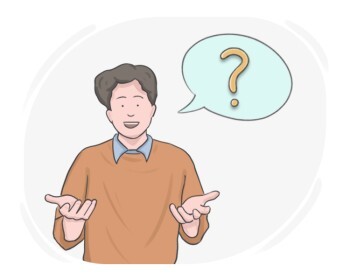
in what manner or in what way

comment
Comment fonctionne cette machine à laver ?
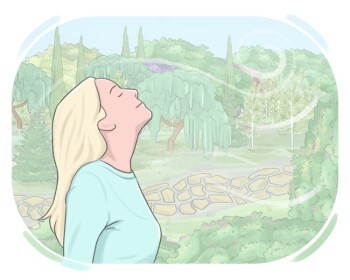
to experience a particular emotion
se sentir
Sa gentillesse et son soutien lui ont fait se sentir aimée et valorisée.
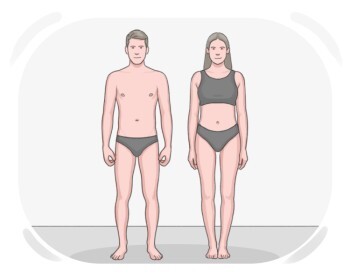
our or an animal's hands, legs, head, and every other part together
corps
Le chat étira son corps paresseusement après une longue sieste au soleil.
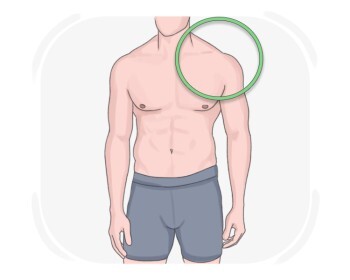
each of the two parts of the body between the top of the arms and the neck
épaule
Elle portait les sacs lourds sur ses épaules en montant le sentier escarpé.
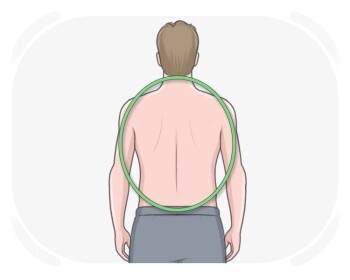
the part of our body between our neck and our legs that we cannot see
dos
Il portait une attelle pour soutenir son dos blessé.
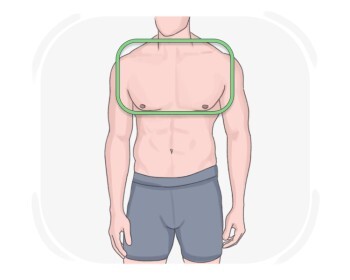
the front part of the body between the neck and the stomach
poitrine
Il a senti un battement dans sa poitrine lorsqu'il a monté les escaliers.
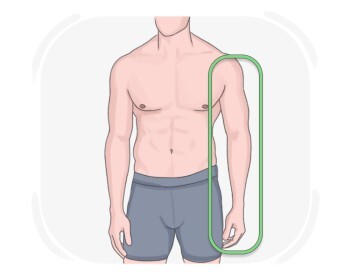
one of the two body parts that is connected to the shoulder and ends with fingers
bras
Il a relevé sa manche pour révéler un tatouage sur son bras.
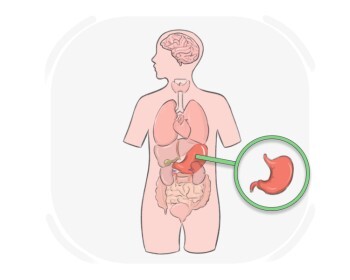
the body part inside our body where the food that we eat goes
estomac
Il tenait son estomac de douleur après avoir mangé quelque chose qui ne lui convenait pas.
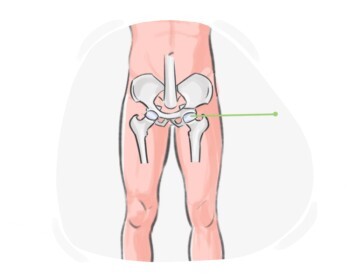
either of the two areas at the sides of the body between the waist and the upper legs
hanche
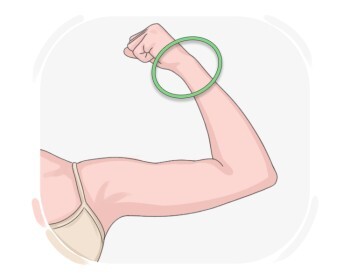
the part of the body connecting the hand to the forearm
poignet
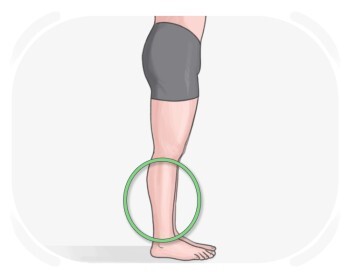
each of the two long body parts that we use when we walk
jambe
Il a utilisé sa jambe pour pédaler le vélo et avancer.
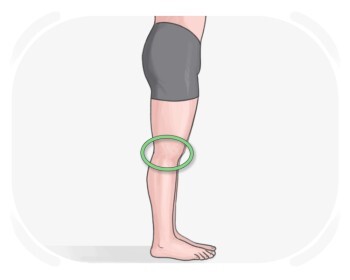
the body part that is in the middle of the leg and helps it bend
genou
Il s'est mis à genoux pour attacher les lacets de sa fille.
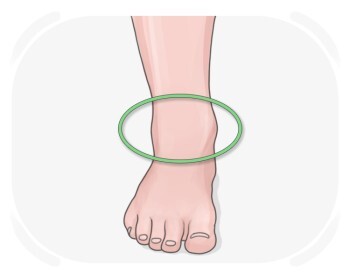
the joint connecting the foot to the lower part of the leg
cheville
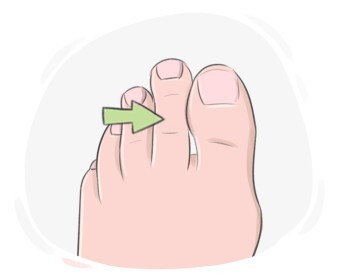
one of the separate digits at the end of a human foot or the corresponding part of an animal's foot
orteil
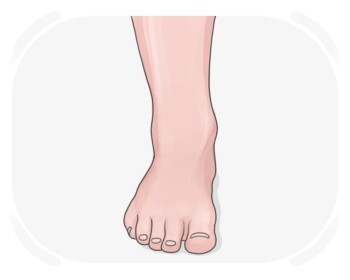
the body part that is at the end of our leg and we stand and walk on
pied
Elle s'est tenue sur un pied pour tester son équilibre pendant l'exercice.
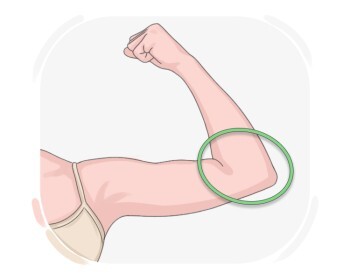
the joint where the upper arm and forearm meet and bend
coude
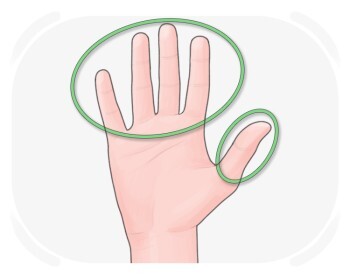
each of the long thin parts that are connected to our hands, sometimes the thumb is not included
doigt
Il a utilisé son doigt pour faire défiler les images sur son téléphone.
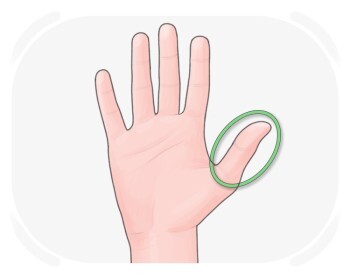
the short, thick digit of the hand that is set apart from and can move across the other fingers
pouce
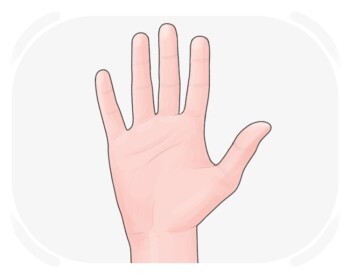
the part of our body that is at the end of our arm and we use to grab, move, or feel things
main
Il a tendu sa main pour serrer la mienne.
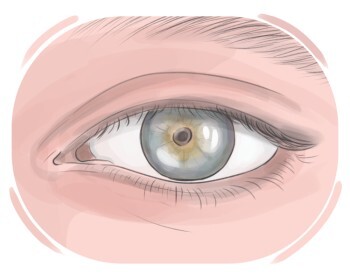
a body part on our face that we use for seeing
œil
Le détective a scruté la scène du crime, recherchant des indices avec un œil avisé.
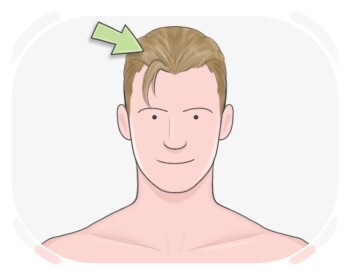
the thin thread-like things that grow on our head
cheveux
Il a mis du gel dans ses cheveux pour les coiffer pour l'entretien.
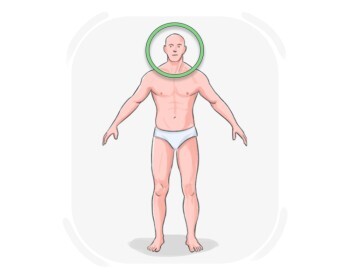
the top part of body, where brain and face are located
tête
Il a accidentellement cogné sa tête contre l'encadrement de porte bas.
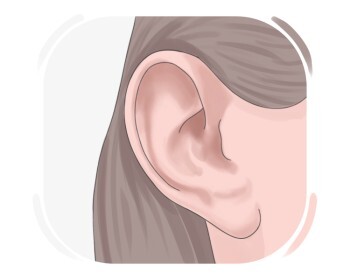
each of the two body parts that we use for hearing
oreille
Ma sœur a couvert ses oreilles avec des cache-oreilles pour rester au chaud en hiver.
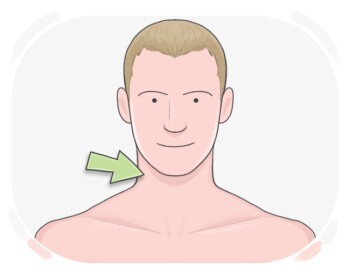
the body part that is connecting the head to the shoulders
cou
Il portait une écharpe pour garder son cou au chaud par temps froid.
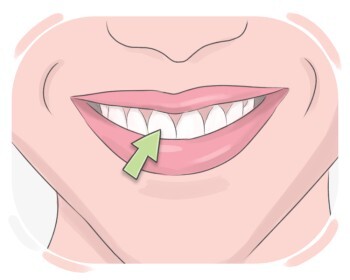
one of the things in our mouth that are hard and white and we use to chew and bite food with
dent
Malgré la douleur, elle a souri brillamment, révélant une dent manquante.
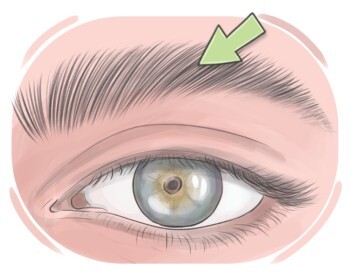
one of the two curved strips of hair that grow above the eyes
sourcil
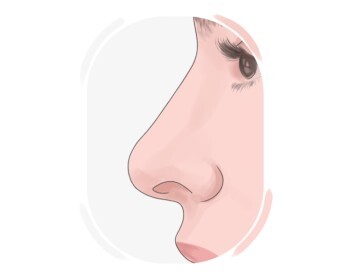
the body part that is in the middle of our face and we use to smell and breathe
nez
Elle a éternué dans son coude pour couvrir son nez.
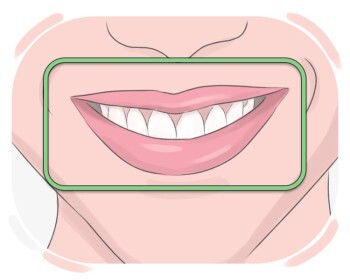
our body part that we use for eating, speaking, and breathing
bouche
Il a laissé échapper un bâillement, sa bouche grande ouverte.
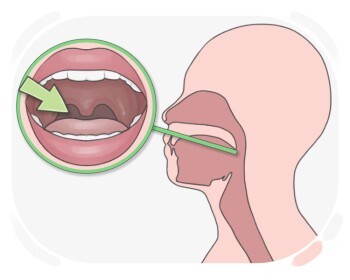
a passage in the neck through which food and air pass
gorge
Elle s'est éclairci la gorge avant de commencer son discours.
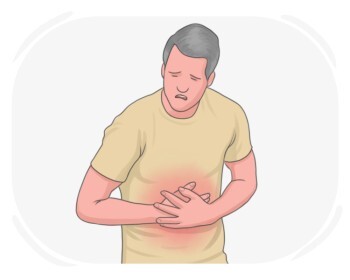
a pain in or near someone's stomach
mal de ventre, maux d'estomac
Manger trop de malbouffe peut entraîner un mal de ventre.
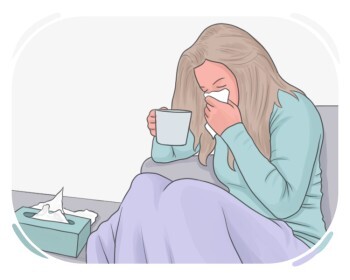
an infectious disease similar to a bad cold, causing fever and severe pain
grippe
Il ne pouvait pas aller à l'école à cause de la grippe.
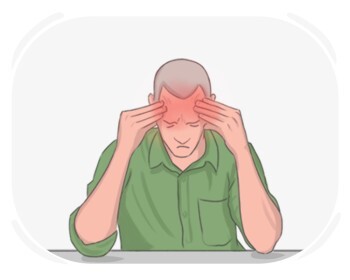
a pain in the head, usually persistent
mal de tête
L'hypertension artérielle peut parfois provoquer des maux de tête.
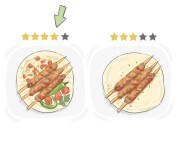
having more of a good quality
meilleur,supérieur
L'édition révisée du livre est meilleure, offrant des perspectives et des informations supplémentaires.
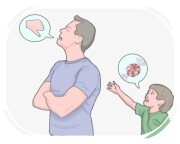
extremely unpleasant or bad
horrible, affreux, affreuse
Le goût horrible du médicament a rendu sa déglutition difficile.
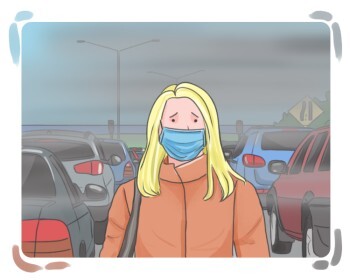
extremely unpleasant or disagreeable
affreux, affreuse
La voiture a fait un bruit affreux, alors ils l'ont emmenée chez le mécanicien.
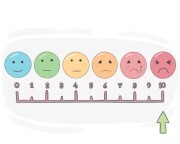
extremely bad or unpleasant
terrible, horrible, éprouvant
La nourriture au restaurant était terrible, laissant un mauvais goût dans ma bouche.
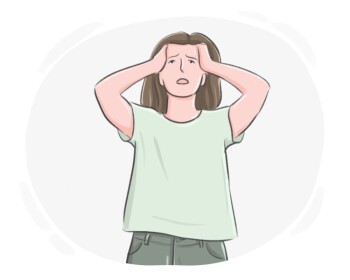
feeling very unhappy or uncomfortable
malheureux
Travailler de longues heures sans pause l'a fait se sentir misérable.
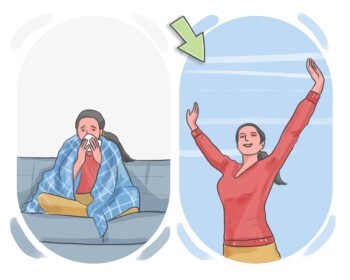
feeling well or in good health
bien, feeling OK or good
Il avait un léger mal de tête plus tôt, mais maintenant il se sent bien.
in a notably positive or exceptional manner
très bien
Le temps s'est avéré superbe pour l'événement en plein air, avec un ciel dégagé et une brise douce.
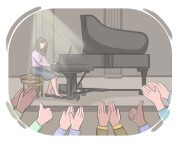
extremely great and amazing
terrifique
Son terrific sens du style était évident dans ses tenues bien coordonnées et son attention aux détails.
extremely amazing and great
formidable
Le temps a été fantastique cette semaine—ensoleillé et chaud chaque jour.
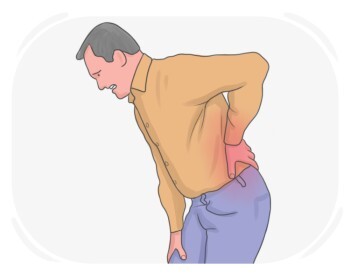
a pain in someone's back
mal de dos
Des exercices comme le yoga peuvent aider à réduire les maux de dos.
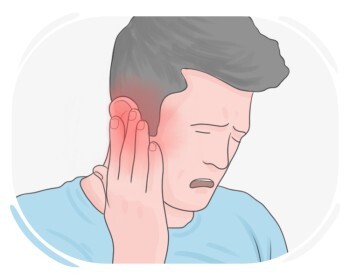
a pain inside the ear
mal d’oreille(s)
Si votre enfant a une douleur à l'oreille, cela pourrait être dû à une infection de l'oreille.
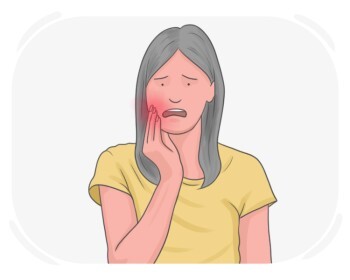
pain felt in a tooth or several teeth
mal de dents
Il se brossait les dents deux fois par jour pour éviter une rage de dents.
| Le livre Interchange - Débutant | |||
|---|---|---|---|
| Unité 10 - Partie 2 | Unité 11 - Partie 1 | Unité 11 - Partie 2 | Unité 11 - Partie 3 |
| Unité 12 - Partie 1 | Unité 12 - Partie 2 | Unité 13 - Partie 1 | Unité 13 - Partie 2 |
| Unité 14 - Partie 1 | Unité 14 - Partie 2 | Unité 15 | Unité 16 |
