本 Interchange - 初級 - ユニット12 - パート1

ここでは、Interchange Beginnerコースブックのユニット12 - パート1からの語彙を見つけることができます。例えば「手首」、「ひどい」、「肘」などです。

review-disable

レビュー

flashcard-disable

フラッシュカード

spelling-disable

綴り

quiz-disable

クイズ

学習を開始
本 Interchange - 初級
how [副詞]
اجرا کردن

どのように

Ex: How can I improve my English speaking skills?

英語のスピーキングスキルをどのように向上させることができますか?

to feel [動詞]
اجرا کردن

感じる

Ex: After watching the emotional movie, he felt sad for hours.

感動的な映画を見た後、彼は何時間も悲しみを感じた

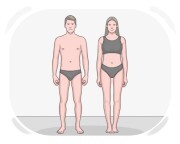
body [名詞]
اجرا کردن

Ex: She enjoys yoga because it helps her connect with her body and find inner balance .

彼女はヨガを楽しんでいます、なぜならそれは彼女が自分のとつながり、内面のバランスを見つけるのに役立つからです。

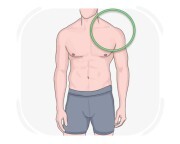
shoulder [名詞]
اجرا کردن

Ex: He felt a sharp pain in his shoulder after lifting weights at the gym .

ジムでウェイトを持ち上げた後、彼はに鋭い痛みを感じた。

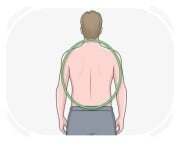
back [名詞]
اجرا کردن

背中

Ex: He bent his back to lift the heavy box .

彼は重い箱を持ち上げるために背中を曲げた。

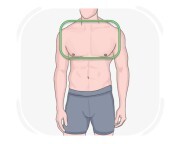
chest [名詞]
اجرا کردن

Ex: After a workout , she felt her chest muscles were stronger .

ワークアウトの後、彼女はの筋肉が強くなったと感じた。

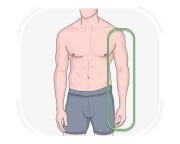
arm [名詞]
اجرا کردن

Ex: He got a sunburn on his arm after spending the day at the beach .

彼はビーチで一日過ごした後、に日焼けをした。

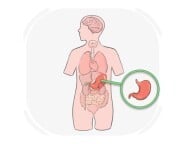
stomach [名詞]
اجرا کردن

Ex: He felt a sense of relief when the doctor assured him that his stomach issue was temporary .

医者が彼のの問題は一時的なものだと保証したとき、彼は安堵感を覚えた。

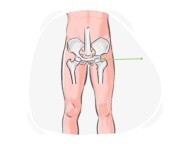
hip [名詞]
اجرا کردن

Ex: She rested her hands on her hips while contemplating the situation .

彼女は状況を考えながら手をに置いた。

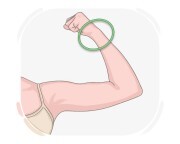
wrist [名詞]
اجرا کردن

手首

Ex: He used his wrist to control the movement of the computer mouse .

彼はコンピューターマウスの動きを制御するために手首を使いました。

leg [名詞]
اجرا کردن

Ex: He stretched his legs before going for a run to prevent muscle cramps.

彼は筋肉のけいれんを防ぐために、走る前にを伸ばした。

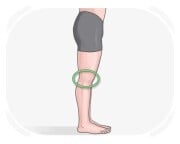
knee [名詞]
اجرا کردن

Ex: He felt a sharp pain in his knee after twisting it during a sports activity .

スポーツ活動中にひねった後、彼はに鋭い痛みを感じた。

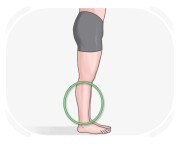
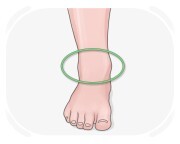
ankle [名詞]
اجرا کردن

足首

Ex: She twisted her ankle while jogging in the park .

彼女は公園でジョギング中に足首を捻った。

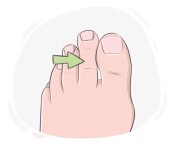
toe [名詞]
اجرا کردن

足の指

Ex: He accidentally dropped a heavy book on his friend 's foot , narrowly missing the toes .

彼は誤って重い本を友達の足に落とし、かろうじてつま先を外した。

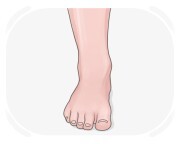
foot [名詞]
اجرا کردن

Ex: He traced patterns in the sand with his foot , leaving temporary imprints .

彼は砂の上で自分ので模様を描き、一時的な跡を残した。

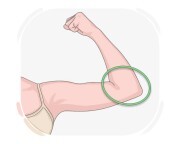
elbow [名詞]
اجرا کردن

Ex: He leaned on the table with his elbow while listening to the conversation .

彼は会話を聞きながら、ひじをテーブルについた。

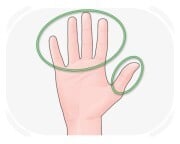
finger [名詞]
اجرا کردن

Ex: He counted on his fingers to solve the math problem .

彼は数学の問題を解くためにで数えた。

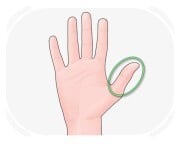
thumb [名詞]
اجرا کردن

親指

Ex: She accidentally cut her thumb while chopping vegetables .

彼女は野菜を切っているときに誤って親指を切ってしまった。

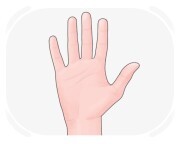
hand [名詞]
اجرا کردن

Ex: He gave me a high-five , slapping his hand against mine .

彼は私にハイタッチをして、彼のを私の手に叩きつけた。

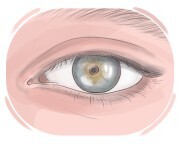
eye [名詞]
اجرا کردن

Ex: He closed his eyes and took a deep breath.

彼はを閉じて、深く息を吸った。

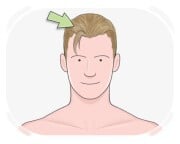
hair [名詞]
اجرا کردن

Ex: He carefully combed his hair before going out .

彼は出かける前に注意深くをとかした。

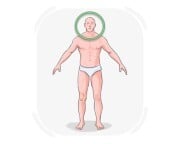
head [名詞]
اجرا کردن

Ex: The cat gently nudged its head against my hand , seeking affection .

猫は愛情を求めて、そっとを私の手に押し付けました。

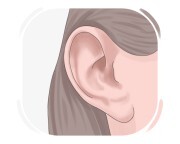
ear [名詞]
اجرا کردن

Ex: He listened attentively with her hand cupped behind her ear .

彼は手を耳の後ろに杯のようにして注意深く聞いた。

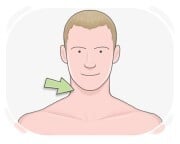
neck [名詞]
اجرا کردن

Ex: He turned his head from side to side , testing the flexibility of his neck .

彼は頭を左右に振り、の柔軟性を試した。

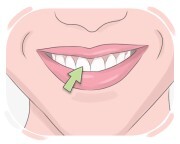
tooth [名詞]
اجرا کردن

Ex: He felt a sharp pain in his tooth and scheduled a dental appointment .

彼はに鋭い痛みを感じ、歯科の予約を入れた。

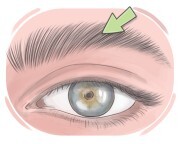
eyebrow [名詞]
اجرا کردن

Ex: He had a habit of raising one eyebrow when he was skeptical .

彼は懐疑的だったとき、片方のを上げる癖があった。

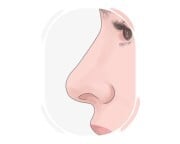
nose [名詞]
اجرا کردن

Ex: He held his nose as he walked past the garbage can .

彼はゴミ箱の前を通り過ぎるときにをつまんだ。

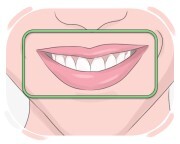
mouth [名詞]
اجرا کردن

Ex: He chewed his food with his mouth closed , showing good manners .

彼はを閉じて食べ物を噛み、良いマナーを示しました。

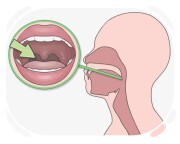
throat [名詞]
اجرا کردن

Ex: He gargled with saltwater to ease the pain in his throat .

彼はのどの痛みを和らげるために塩水でうがいをした。

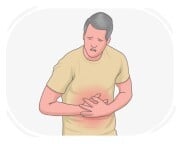
stomachache [名詞]
اجرا کردن

腹痛

Ex: Drinking too much coffee gives me a stomachache .

コーヒーを飲みすぎると 胃痛 がします。

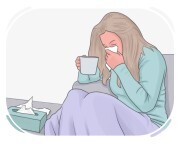
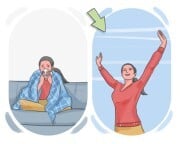
flu [名詞]
اجرا کردن

インフルエンザ

Ex: After catching the flu , he realized the importance of getting vaccinated .

インフルエンザにかかった後、彼は予防接種の重要性に気づいた。

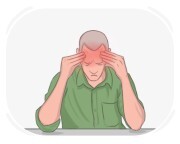
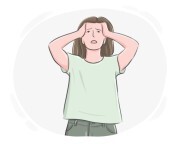
headache [名詞]
اجرا کردن

頭痛

Ex: Avoiding stress can help you prevent headaches .

ストレスを避けることは、頭痛を防ぐのに役立ちます。

better [形容詞]
اجرا کردن

より良い

Ex: With upgraded technology , the new smartphone has a better camera than its predecessor .

アップグレードされた技術により、新しいスマートフォンは前モデルよりも優れたカメラを備えています。
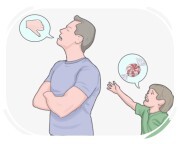
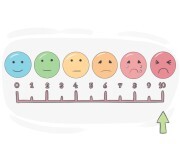
horrible [形容詞]
اجرا کردن

ひどい

Ex: Her horrible headache prevented her from concentrating on her work .

彼女のひどい頭痛は、仕事に集中するのを妨げた。

awful [形容詞]
اجرا کردن

ひどい

Ex: He was in an awful mood because he lost his wallet .

彼は財布をなくしたのでひどい気分でした。

terrible [形容詞]
اجرا کردن

ひどい

Ex: The terrible storm caused widespread damage to homes and infrastructure .

ひどい嵐は家やインフラに広範な被害をもたらしました。

miserable [形容詞]
اجرا کردن

惨めな

Ex: She felt miserable after failing the exam .

彼女は試験に落ちた後、惨めに感じた。

fine [形容詞]
اجرا کردن

元気,健康で

Ex: Despite the small accident , the bike and its rider were both fine .

小さな事故にもかかわらず、自転車とそのライダーは両方とも無事でした。

great [副詞]
اجرا کردن

とてもよく

Ex: The team performed great in the championship, winning the title.

チームは選手権で素晴らしいプレーをし、タイトルを獲得しました。

terrific [形容詞]
اجرا کردن

素晴らしい

Ex: She had a terrific smile that brightened up the room and made everyone feel welcome .

彼女の素晴らしい笑顔は部屋を明るくし、誰もが歓迎されていると感じさせた。

fantastic [形容詞]
اجرا کردن

素晴らしい

Ex: The fantastic performance of the magician left the audience in awe .

魔法使いの素晴らしい演技は観客を驚嘆させた。

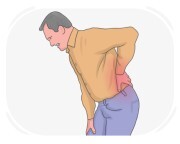
backache [名詞]
اجرا کردن

背中の痛み

Ex: Backache is a common complaint among office workers.

腰痛はオフィスワーカーによくある不満です。

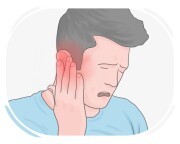
earache [名詞]
اجرا کردن

耳の痛み

Ex: Do n't ignore a severe earache , it might need medical attention .

深刻な耳の痛みを無視しないでください、医療的な処置が必要かもしれません。

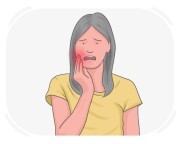
toothache [名詞]
اجرا کردن

歯痛

Ex: After eating too many sweets , she got a severe toothache .

甘いものを食べすぎた後、彼女はひどい歯痛に悩まされました。