pattern

Le livre Insight - Pré-intermédiaire - Perspective du Vocabulaire 1

Ici vous trouverez les mots du Vocabulaire Insight 1 du manuel Insight Pre-Intermediate, tels que « often », « understand », « noise », etc.

Réviser

Flashcards

Orthographe

Quiz
Commencer à apprendre
Insight - Pre-Intermediate
to make
to make
[verbe]

to form, produce, or prepare something, by putting parts together or by combining materials

faire, fabriquer

faire, fabriquer

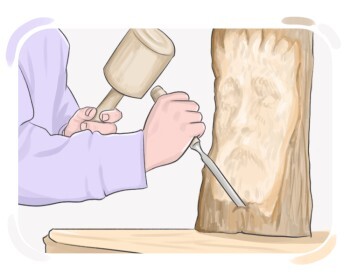
Ex: The carpenter can make custom furniture based on your design preferences. 

Le menuisier peut fabriquer des meubles sur mesure en fonction de vos préférences de design.

to [make] {oneself} understood

to express one's thoughts and ideas clearly and effectively so that others can understand them easily
Ex: She spoke slowly to make herself understood by the international audience. 
noise
noise
[nom]

sounds that are usually unwanted or loud

bruit
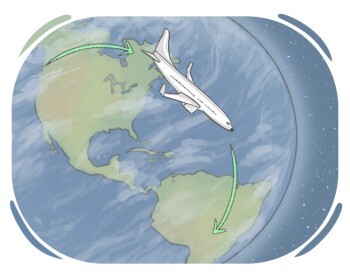
bruit

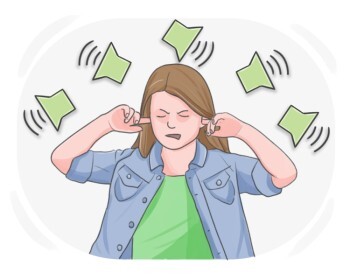
Ex: The children were making too much noise, so the teacher asked them to quiet down. 

Les enfants faisaient trop de bruit, alors l'enseignant leur a demandé de se calmer.

to immigrate

to come to a foreign country and live there permanently

immigrer

immigrer

Ex: The family made the decision to immigrate to Canada for a better quality of life. 

La famille a pris la décision d'immigrer au Canada pour une meilleure qualité de vie.

immigrant

someone who comes to live in a foreign country

immigré, immigrée

immigré, immigrée

Ex: The immigrant found it challenging to adjust to the cultural differences in their new home. 

L'immigrant a trouvé difficile de s'adapter aux différences culturelles dans son nouveau foyer.

immigration

the fact or process of coming to another country to permanently live there

immigration

immigration

Ex: The new immigration policies are aimed at controlling the flow of people across the border. 

Les nouvelles politiques d'immigration visent à contrôler le flux de personnes à travers la frontière.

and
and
[Conjonction]

used to connect two words, phrases, or sentences referring to related things

et

et

Ex: She likes to dance and sing in her free time. 

Elle aime danser et chanter pendant son temps libre.

at
at
[préposition]

expressing the exact time when something happens

à

à

Ex: The doctor's appointment is at 11:20 AM. 

Le rendez-vous chez le médecin est à 11h20.

bus ticket

a printed or digital pass that allows a person to travel on a bus

billet de bus, ticket de bus

billet de bus, ticket de bus

Ex: His bus ticket expired before he could use it. 

Son billet de bus a expiré avant qu'il ne puisse l'utiliser.

but
but
[Adverbe]

used to introduce an exception to what was said before

seulement, pourtant

seulement, pourtant

Ex: She ate everything on her plate but the vegetables. 

Elle a mangé tout ce qu'il y avait dans son assiette sauf les légumes.
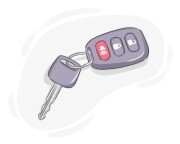
car key
car key
[nom]

a small handheld device used to unlock and start the engine of a car

clé de voiture, clé de démarrage

clé de voiture, clé de démarrage

Ex: He handed me the car key before I drove off. 

Il m'a remis la clé de voiture avant que je ne parte en voiture.

to do
to do
[verbe]

to perform an action that is not mentioned by name

faire
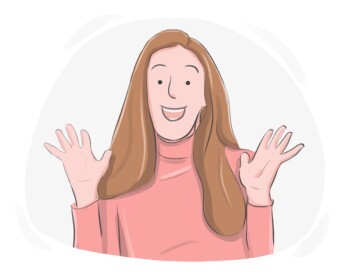
faire

Ex: I'm not sure what to do in this situation; it's quite confusing. 

Je ne suis pas sûr de ce qu'il faut faire dans cette situation ; c'est assez déroutant.

excited
excited
[Adjectif]

feeling very happy, interested, and energetic

agité, excité
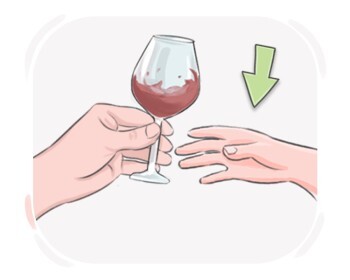
agité, excité

Ex: She felt excited and nervous before her dance performance. 

Elle se sentait excitée et nerveuse avant sa performance de danse.

to get
to get
[verbe]

to receive or come to have something

obtenir, recevoir, prendre

obtenir, recevoir, prendre

Ex: Did you get any interesting gifts for your birthday? 

Avez-vous obtenu des cadeaux intéressants pour votre anniversaire ?

in
in
[préposition]

used to state how long it will be until something happens

en, dans, à

en, dans, à

Ex: The bus should arrive in ten minutes. 

Le bus devrait arriver dans dix minutes.
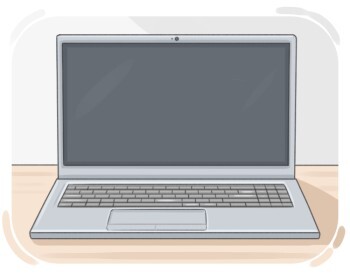
laptop
laptop
[nom]

a small computer that you can take with you wherever you go, and it sits on your lap or a table so you can use it

ordinateur portable, laptop

ordinateur portable, laptop

Ex: He opened his laptop to check his emails and messages. 

Il a ouvert son ordinateur portable pour vérifier ses e-mails et ses messages.

often
often
[Adverbe]

on many occasions

souvent

souvent

Ex: She often reads books before bedtime. 

Elle lit souvent des livres avant de se coucher.

on
on
[préposition]

used to show a day or date

sur

sur

Ex: The museum opens on May 1st. 

Le musée ouvre le 1er mai.

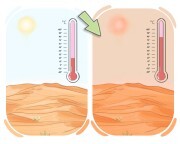
proud
proud
[Adjectif]

feeling satisfied with someone or one's possessions, achievements, etc.

fier, fière
fier, fière

Ex: He was proud of his son's performance in the school play. 

Il était fier de la performance de son fils dans la pièce de théâtre scolaire.

really
really
[Adverbe]

to a high degree, used for emphasis

vraiment

vraiment

Ex: I'm really tired after that run. 

Je suis vraiment fatigué après cette course.

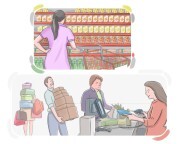
she
she
[pronom]

(subjective third-person singular pronoun) used when referring to a female human or animal that was already mentioned or one that is easy to identify

elle
elle

Ex: She enjoys spending her weekends gardening in her backyard. 

Elle aime passer ses week-ends à jardiner dans son jardin.

shopping

the act of buying goods from stores

shopping

shopping

Ex: Online shopping has become popular recently. 

Les achats en ligne sont devenus populaires récemment.

them
them
[pronom]

(objective third-person plural pronoun) used when referring to the aforementioned things or people that are the object of a sentence

eux, elles

eux, elles

Ex: The gardener watered the plants and pruned them. 

Le jardinier a arrosé les plantes et les a taillées.

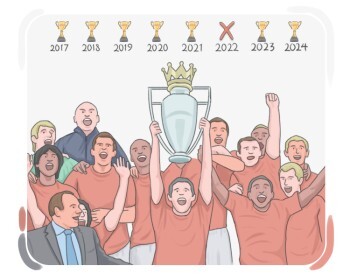
to understand

to know something's meaning, particularly something that someone says

comprendre
comprendre

Ex: She has a unique way of explaining things that makes it easy to understand complex topics. 

Elle a une manière unique d'expliquer les choses qui facilite la compréhension des sujets complexes.

usually
usually
[Adverbe]

in most situations or under normal circumstances

habituellement, normalement

habituellement, normalement

Ex: They usually go swimming at the beach on hot days. 

Ils vont généralement nager à la plage les jours chauds.

LanGeek
Télécharger l'application LanGeek