
Könyv: Insight - Középhaladó - Szókincs-Belátás 1
Itt találja a Vocabulary Insight 1 szavait az Insight Pre-Intermediate tankönyvből, például "often", "understand", "noise" stb.
Ismétlés
Tanulókártyák
Betűzés
Kvíz
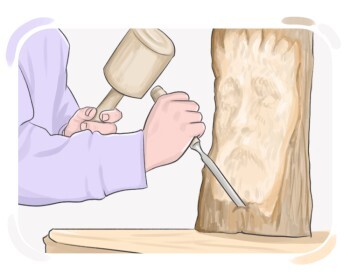
to form, produce, or prepare something, by putting parts together or by combining materials

készíteni,gyártani
A vezetékek összekapcsolásával létrehozod az áramkört és lehetővé teszed az áram áramlását.

to express one's thoughts and ideas clearly and effectively so that others can understand them easily
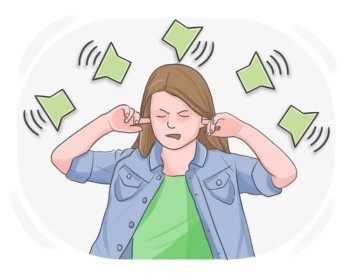
sounds that are usually unwanted or loud
zaj,lárma
A szomszédos buli zaja egész éjjel ébren tartotta.
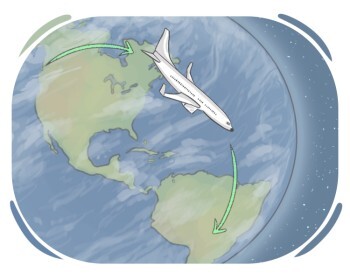
to come to a foreign country and live there permanently
bevándorol
A család úgy döntött, hogy Kanadába vándorol, hogy jobb életminőségben részesülhessen.
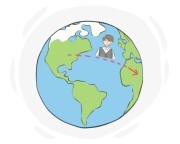
someone who comes to live in a foreign country
bevándorló,migráns
A város sokszínű népessége sok bevándorlót foglal magában a világ különböző részeiről.
the fact or process of coming to another country to permanently live there
bevándorlás
Az új bevándorlási politikák célja az emberek határokon átívelő áramlásának szabályozása.

used to connect two words, phrases, or sentences referring to related things
és
Szeret táncolni és énekelni a szabadidejében.
expressing the exact time when something happens
kor,felé
Az orvosi időpont délelőtt 11:20-kor van.
a printed or digital pass that allows a person to travel on a bus
buszjegy,buszbérlet
A buszjegye lejárt, mielőtt használhatta volna.
used to introduce an exception to what was said before
csak,azonban
Mindent megevett a tányérjáról, de a zöldségeket nem.
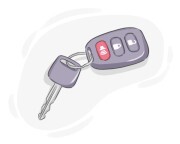
a small handheld device used to unlock and start the engine of a car
autókulcs,indítókulcs
Átadta nekem az autókulcsot, mielőtt elindultam volna.

to perform an action that is not mentioned by name
csinál,véghez visz
Válság idején az emberek gyakran összefognak, hogy tegyék meg, ami szükséges.

feeling very happy, interested, and energetic
izgatott,lelkes, very happy and full of energy
Izgatott és ideges volt a táncelőadása előtt.
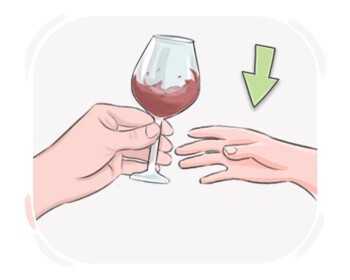
used to state how long it will be until something happens
ben
A busznak tíz perc múlva kellene érkeznie.

a small computer that you can take with you wherever you go, and it sits on your lap or a table so you can use it
laptop,hordozható számítógép
Kinyitotta a laptopját, hogy ellenőrizze az e-mailjeit és üzeneteit.
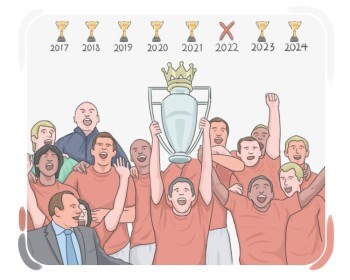
on numerous occasions or at frequent intervals
on numerous occasions or at frequent intervals
used to indicate a particular day, date, or occasion when something happens

feeling satisfied with someone or one's possessions, achievements, etc.
büszke,dicsekedő
Büszke volt arra, hogy művészi alkotása kiállításra került a galériában.
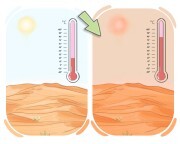
to a high degree, used for emphasis
igazán,nagyon
Nagyon fáradt vagyok azután a futás után.

(subjective third-person singular pronoun) used when referring to a female human or animal that was already mentioned or one that is easy to identify
ő
Ő szereti a hétvégéket a kertjében töltve kertészkedni.
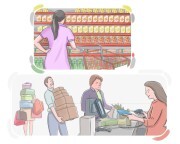
the activity of buying goods or services, especially from stores or online
vásárlás, shopping

(objective third-person plural pronoun) used when referring to the aforementioned things or people that are the object of a sentence
őket,nekik
A kertész megöntözte a növényeket és metszette őket.
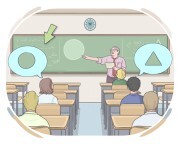
to know something's meaning, particularly something that someone says
megérteni,felfogni
Nem értette a szerződést, amit aláírt.
in most situations or on most occasions, rather than always
in most situations or on most occasions, rather than always
