
Книга Insight - Предсредний - Понимание Словарного Запаса 1
Здесь вы найдете слова из Vocabulary Insight 1 в учебнике Insight Pre-Intermediate, такие как "often", "understand", "noise" и т.д.
Обзор
Флэш-карточки
Правописание
Тест
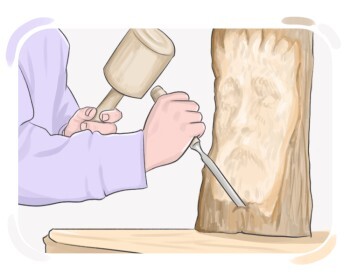
to form, produce, or prepare something, by putting parts together or by combining materials

создавать
Подключая провода, вы делаете цепь и позволяете электричеству течь.
![to [make] {oneself} understood](/assets/img/no-pic-700w.png "to [make] {oneself} understood")
to express one's thoughts and ideas clearly and effectively so that others can understand them easily
Заставить других понять, что именно вы пытаетесь донести
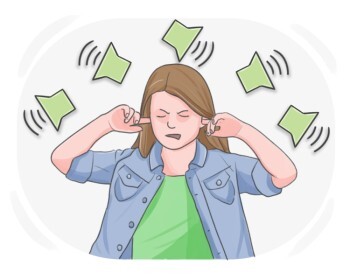
sounds that are usually unwanted or loud
шум
Строительная площадка создала много шума, нарушая покой соседей.
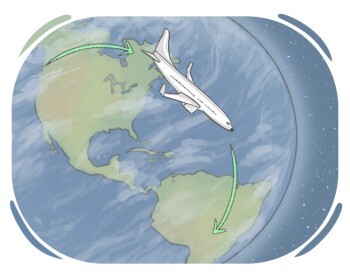
to come to a foreign country and live there permanently
иммигрировать
После получения рабочей визы Мария решила иммигрировать в Соединенные Штаты.

someone who comes to live in a foreign country
иммигрант
Правительство ввело новую политику для поддержки иммигрантов, интегрирующихся в общество.
the fact or process of coming to another country to permanently live there
иммиграция
В стране наблюдается рост иммиграции из-за сильного рынка труда и высокого качества жизни.

used to connect two words, phrases, or sentences referring to related things
и
Мне нравится читать книги и смотреть фильмы.
expressing the exact time when something happens
в, на
Вы готовы? Концерт начинается в 8 часов.
a printed or digital pass that allows a person to travel on a bus
автобусный билет
Она купила билет на автобус в центр города.
used to introduce an exception to what was said before
и ничего больше
Все присутствовали на собрании, но Джон.
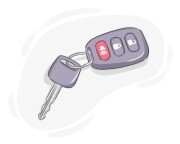
a small handheld device used to unlock and start the engine of a car
автомобильный ключ
Я забыл свой ключ от машины дома, поэтому мне пришлось позвонить другу, чтобы он меня подвёз.

to perform an action that is not mentioned by name
делать
Что ты сделал со своими руками?

feeling very happy, interested, and energetic
возбужденный, very happy and full of energy
Он был в восторге от начала своей новой работы.
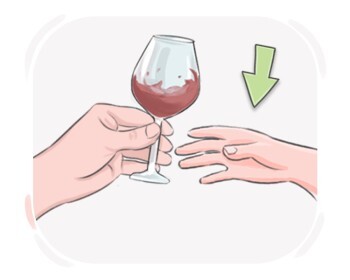
to receive or come to have something
получить
Он получил неожиданную премию на работе.
used to state how long it will be until something happens
в
Мы будем там через несколько дней.
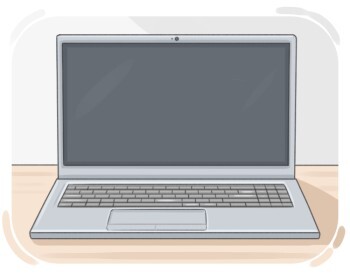
a small computer that you can take with you wherever you go, and it sits on your lap or a table so you can use it
ноутбук
Он купил новый ноутбук с лучшей скоростью обработки.
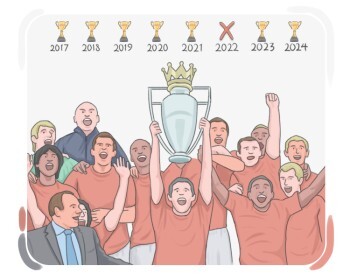
on many occasions
часто
Он часто помогает своим соседям по хозяйству.
used to show a day or date
на, в
Мы отпраздновали её повышение в канун Нового года.

feeling satisfied with someone or one's possessions, achievements, etc.
гордый
Она чувствовала гордость за академические достижения своей дочери.
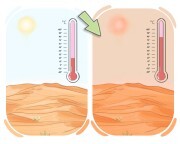
to a high degree, used for emphasis
действительно
Этот торт действительно вкусный.

(subjective third-person singular pronoun) used when referring to a female human or animal that was already mentioned or one that is easy to identify
она
Она изучает медицину в университете.
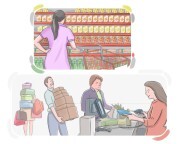
the act of buying goods from stores
покупки
Его любимая часть шопинга — находить хорошие сделки.

(objective third-person plural pronoun) used when referring to the aforementioned things or people that are the object of a sentence
им, их
Я одолжил им свой зонтик во время ливня.
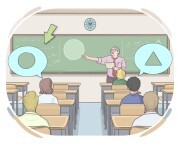
to know something's meaning, particularly something that someone says
понимать
Можете ли вы помочь мне понять это уравнение?
