pattern

Książka Insight - Średnio zaawansowany niższy - Wgląd w Słownictwo 1

Tutaj znajdziesz słowa z Vocabulary Insight 1 w podręczniku Insight Pre-Intermediate, takie jak "often", "understand", "noise" itp.

Przegląd

Fiszki

formy

Pisownia

Test

Zacznij naukę
Insight - Pre-Intermediate
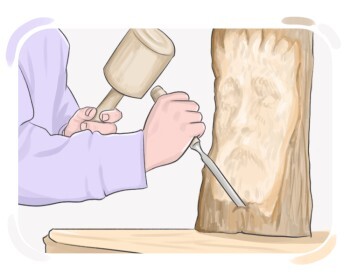
to make
to make
[Czasownik]

to form, produce, or prepare something, by putting parts together or by combining materials

robić, wytwarzać

robić, wytwarzać

Ex: By connecting the wires , you make the circuit and allow electricity to flow .

Łącząc przewody, tworzysz obwód i umożliwiasz przepływ prądu.

to [make] {oneself} understood

to express one's thoughts and ideas clearly and effectively so that others can understand them easily
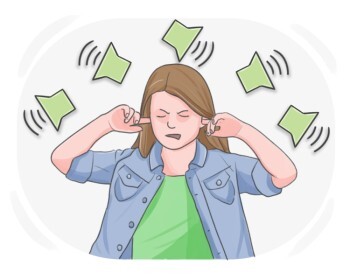
Ex: They needed to find a way to make themselves understood despite the language barrier.
noise
noise
[Rzeczownik]

sounds that are usually unwanted or loud

hałas, zgiełk
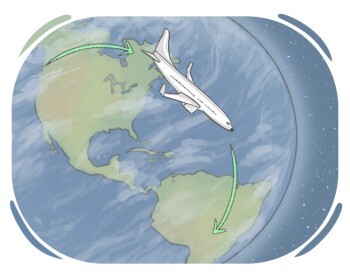
hałas, zgiełk

Ex: He found it hard to concentrate on his work with all the noise coming from the street .

Trudno mu było skupić się na pracy przy całym tym hałasie dochodzącym z ulicy.

to immigrate
to immigrate
[Czasownik]

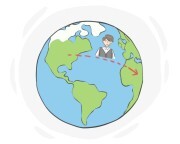
to come to a foreign country and live there permanently

imigrować

imigrować

Ex: The Smith family made the life-changing decision to immigrate to New Zealand for better economic prospects .

Rodzina Smith podjęła decyzję, która zmieniła ich życie, aby wyemigrować do Nowej Zelandii w celu lepszych perspektyw ekonomicznych.

immigrant
immigrant
[Rzeczownik]

someone who comes to live in a foreign country

imigrant, migrant

imigrant, migrant

Ex: The immigrant community celebrated their heritage with a cultural festival .

Społeczność imigrantów świętowała swoje dziedzictwo festiwalem kulturowym.

immigration
immigration
[Rzeczownik]

the fact or process of coming to another country to permanently live there

imigracja

imigracja

Ex: After decades of immigration, the neighborhood has become a vibrant , multicultural community .

Po dziesięcioleciach imigracji sąsiedztwo stało się tętniącą życiem, wielokulturową społecznością.

and
and
[Spójnik]

used to connect two words, phrases, or sentences referring to related things

i

i

Ex: The sun was shining brightly , and the birds were singing .

Słońce świeciło jasno, i ptaki śpiewały.

at
at
[Przyimek]

expressing the exact time when something happens

o, na

o, na

Ex: We have a reservation at the restaurant at 7:30 PM .

Mamy rezerwację na 19:30 w restauracji.

bus ticket
bus ticket
[Rzeczownik]

a printed or digital pass that allows a person to travel on a bus

bilet autobusowy, karnet autobusowy

bilet autobusowy, karnet autobusowy

Ex: The student discount made the bus ticket cheaper .

Zniżka studencka sprawiła, że bilet autobusowy był tańszy.

but
but
[przysłówek]

used to introduce an exception to what was said before

tylko, jednak

tylko, jednak

Ex: All the seats were taken but one.

Wszystkie miejsca były zajęte ale jedno.

car key
car key
[Rzeczownik]

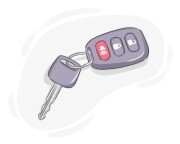
a small handheld device used to unlock and start the engine of a car

kluczyk do samochodu, kluczyk zapłonu

kluczyk do samochodu, kluczyk zapłonu

Ex: I always leave my car key in the same spot to avoid losing it .

Zawsze zostawiam swój kluczyk od samochodu w tym samym miejscu, aby go nie zgubić.

to do
to do
[Czasownik]

to perform an action that is not mentioned by name

robić, wykonywać
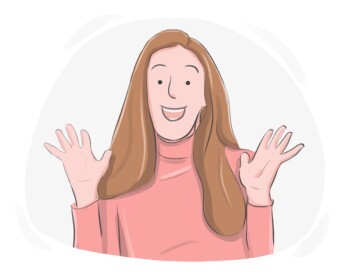
robić, wykonywać

Ex: Is there anything that I can do for you?

Czy jest coś, co mogę dla ciebie zrobić?

excited
excited
[przymiotnik]

feeling very happy, interested, and energetic

podekscytowany,rozemocjonowany, very happy and full of energy
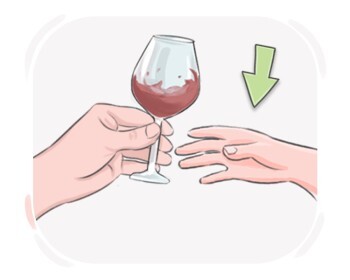
podekscytowany,rozemocjonowany, very happy and full of energy

Ex: They were excited to try the new roller coaster at the theme park .

Byli podekscytowani możliwością wypróbowania nowej kolejki górskiej w parku tematycznym.

to get
to get
[Czasownik]

to receive or come to have something

otrzymywać, zdobywać

otrzymywać, zdobywać

Ex: The children got toys from their grandparents .

Dzieci dostały zabawki od swoich dziadków.

in
in
[Przyimek]

used to state how long it will be until something happens

w

w

Ex: Dinner will be ready in half an hour.

Obiad będzie gotowy za pół godziny.

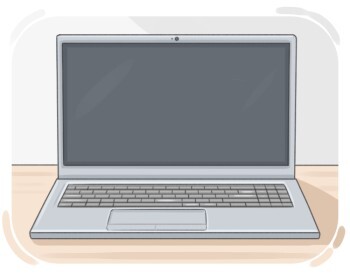
laptop
laptop
[Rzeczownik]

a small computer that you can take with you wherever you go, and it sits on your lap or a table so you can use it

laptop, notebook

laptop, notebook

Ex: She carries her laptop with her wherever she goes .

Ona nosi swój laptop ze sobą wszędzie, gdzie idzie.

often
often
[przysłówek]

on many occasions

często, wielokrotnie

często, wielokrotnie

Ex: He often attends cultural events in the city .

On często uczestniczy w wydarzeniach kulturalnych w mieście.

on
on
[Przyimek]

used to show a day or date

na, w

na, w

Ex: We celebrate Christmas on December 25th .

Obchodzimy Święta Bożego Narodzenia 25 grudnia.

proud
proud
[przymiotnik]

feeling satisfied with someone or one's possessions, achievements, etc.

dumny, pełen dumy
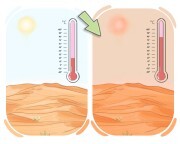
dumny, pełen dumy

Ex: He felt proud of himself for completing his first marathon .

Czuł się dumny z siebie za ukończenie swojego pierwszego maratonu.

really
really
[przysłówek]

to a high degree, used for emphasis

naprawdę, bardzo

naprawdę, bardzo

Ex: That book is really interesting .

Ta książka jest naprawdę interesująca.

she
she
[Zaimki]

(subjective third-person singular pronoun) used when referring to a female human or animal that was already mentioned or one that is easy to identify

ona
ona

Ex: She always brings a positive attitude to the team meetings .

Ona zawsze wnosi pozytywne nastawienie na spotkania zespołu.

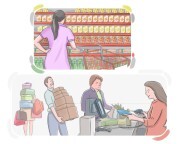
shopping
shopping
[Rzeczownik]

the act of buying goods from stores

zakupy, shopping

zakupy, shopping

Ex: They are planning a shopping trip this weekend .

Planują wycieczkę zakupową w ten weekend.

them
them
[Zaimki]

(objective third-person plural pronoun) used when referring to the aforementioned things or people that are the object of a sentence

ich, im

ich, im

Ex: The librarian showed them where to find the books and how to check them out.

Bibliotekarz pokazał im, gdzie znaleźć książki i jak je wypożyczyć.

to understand
to understand
[Czasownik]

to know something's meaning, particularly something that someone says

rozumieć, pojmować

rozumieć, pojmować

Ex: After reading the explanation a few times , I finally understand the concept .

Po kilkukrotnym przeczytaniu wyjaśnienia w końcu rozumiem koncepcję.

usually
usually
[przysłówek]

in most situations or under normal circumstances

zwykle, zazwyczaj

zwykle, zazwyczaj

Ex: We usually visit our grandparents during the holidays .

Zwykle odwiedzamy naszych dziadków podczas wakacji.

LanGeek
Pobierz aplikację LanGeek