pattern

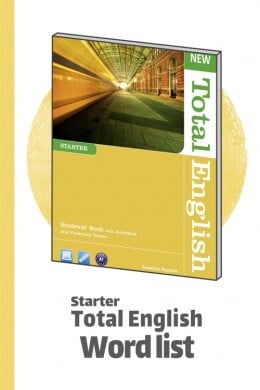
Le livre Total English - Débutant - Unité 1 - Leçon 1

Ici, vous trouverez le vocabulaire de l'Unité 1 - Leçon 1 du manuel Total English Starter, comme "bienvenue", "zéro", "vous", etc.

Réviser

Flashcards

Orthographe

Quiz
Commencer à apprendre
Total English - Starter
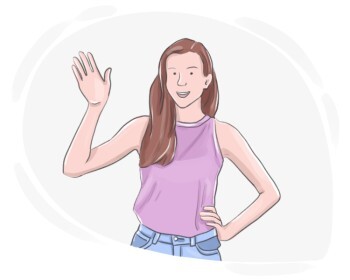
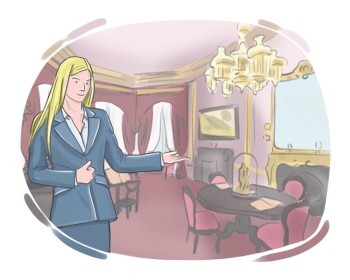
hello
hello
[Interjection]

a word we say when we meet someone or answer the phone

bonjour, salut
bonjour, salut

Ex: Hello, I'm new here.  Can you show me around? 
welcome
welcome
[Interjection]

a word that we use to greet someone when they arrive

bienvenu, bienvenue

bienvenu, bienvenue

Ex: Welcome, Enjoy your stay at our hotel. 
name
name
[nom]

the word we call a person or thing

nom

nom

Ex: My favorite actor's name is Tom Hanks. 
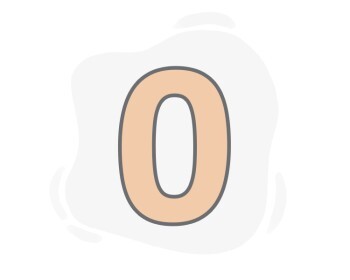
zero
zero
[numéral]

the number 0

zéro

zéro

Ex: I have zero siblings. 
oh
oh
[numéral]

used as an informal way to indicate the number zero in a sequence or phone number

zéro, oh

zéro, oh

Ex: The room number is two oh seven. 
one
one
[numéral]

the number 1

un, une

un, une

Ex: I only have one pen in my bag. 
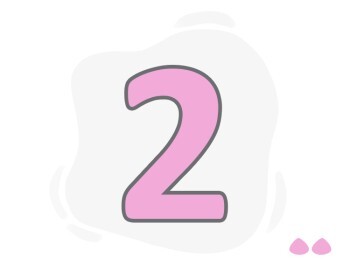
two
two
[numéral]

the number 2

deux

deux

Ex: The twins have two bicycles. 
three
three
[numéral]

the number 3

trois

trois

Ex: My cousin has three siblings; two sisters and one brother. 
four
four
[numéral]

the number 4

quatre

quatre

Ex: There are four chairs around the dining table. 
five
five
[numéral]

the number 5

cinq

cinq

Ex: She drew a picture of a hand with five fingers. 
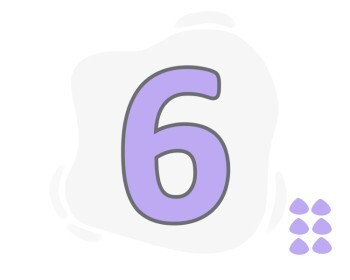
six
six
[numéral]

the number 6

six

six

Ex: There are six colorful crayons in the box. 
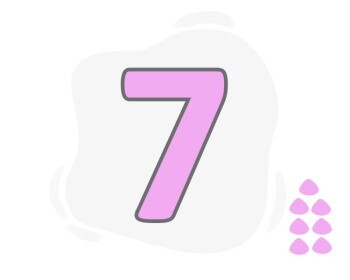
seven
seven
[numéral]

the number 7

sept

sept

Ex: The recipe called for seven ingredients. 
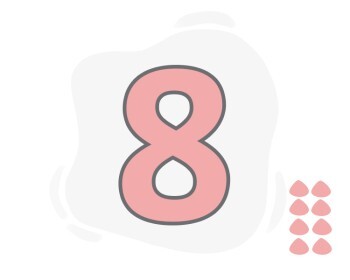
eight
eight
[numéral]

the number 8

huit

huit

Ex: There are eight crayons in the box. 
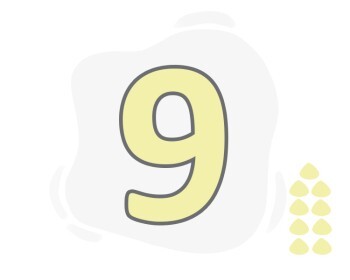
nine
nine
[numéral]

the number 9

neuf

neuf

Ex: Look at the nine birds perched on the tree. 
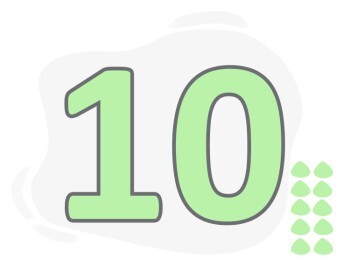
ten
ten
[numéral]

the number 10

dix

dix

Ex: There are ten fingers on two hands. 
I
I
[pronom]

used by a speaker or writer to refer to themselves as the subject of a verb

Ex: I think we should leave before sunset. 
you
you
[pronom]

(second-person pronoun) used for referring to the one or the people we are writing or talking to

tu, vous

tu, vous

Ex: Do you like chocolate ice cream? 
he
he
[pronom]

(subjective third-person singular pronoun) used when referring to a male human or animal that was already mentioned or one that is easy to identify

il

il

Ex: He enjoys playing soccer with his friends on weekends. 
she
she
[pronom]

(subjective third-person singular pronoun) used when referring to a female human or animal that was already mentioned or one that is easy to identify

elle
elle

Ex: She enjoys spending her weekends gardening in her backyard. 
it
it
[pronom]

(subjective third-person singular pronoun) used when referring to something or an animal as the subject of a sentence

il, elle

il, elle

Ex: It seems that the computer is not working properly. 
my
my
[Déterminant]

(first-person singular possessive determiner) of or belonging to the speaker or writer

mon, ma

mon, ma

Ex: My cat is sleeping on the couch. 

Mon chat dort sur le canapé.

your
your
[Déterminant]

(second-person possessive determiner) of or belonging to the person or people being spoken or written to

ton, votre

ton, votre

Ex: Please remember to bring your ID card with you. 

Veuillez vous souvenir d'apporter votre carte d'identité avec vous.

his
his
[Déterminant]

(third-person singular possessive determiner) of or belonging to a man or boy who has already been mentioned or is easy to identify

son, sa

son, sa

Ex: The teacher praised Peter for his excellent presentation. 

Le professeur a félicité Peter pour sa excellente présentation.

her
her
[Déterminant]

(third-person singular possessive determiner) of or belonging to a female human or animal that was previously mentioned or one that is easy to identify

sa, son

sa, son

Ex: The dog wagged her tail happily. 

Le chien a remué sa queue joyeusement.

its
its
[Déterminant]

(third-person singular possessive determiner) of or belonging to a thing or an animal or child of unknown sex

son, sa

son, sa

Ex: The cat licked its paw after eating. 

Le chat a léché sa patte après avoir mangé.

LanGeek
Télécharger l'application LanGeek