
Książka Total English - Początkujący - Jednostka 1 - Lekcja 1
Tutaj znajdziesz słownictwo z Unitu 1 - Lekcji 1 podręcznika Total English Starter, takie jak "welcome", "zero", "you" itp.
Przegląd
Fiszki
Pisownia
Test

a word we say when we meet someone or answer the phone

cześć
Cześć, jak się masz?
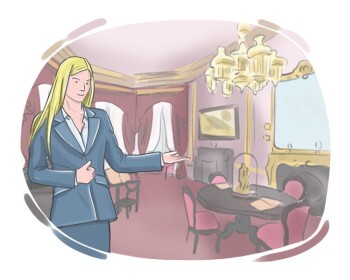
a word that we use to greet someone when they arrive
Witaj, Witamy
Witamy, mamy nadzieję, że będziesz miał przyjemne wrażenia z zakupów.
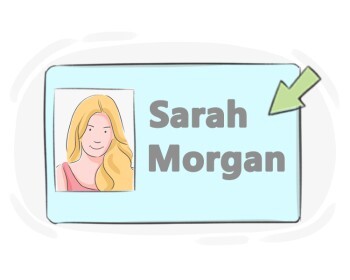
the word we call a person or thing
imię, nazwisko
Napisała swoje imię pięknym pismem odręcznym.
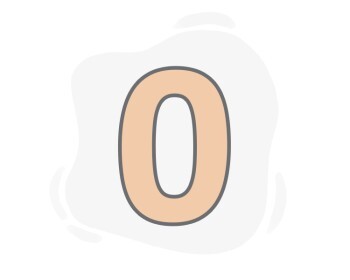

used as an informal way to indicate the number zero in a sequence or phone number
zero, oh

the number 1
jeden
W autobusie jest tylko jedno wolne miejsce.
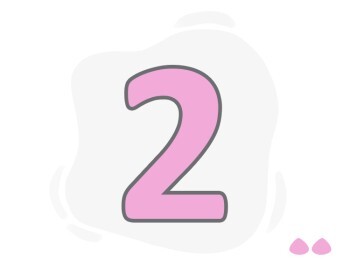
the number 2
dwa, liczba dwa
Mam dwa ołówki w swojej torbie.

the number 3
trzy, liczba trzy
W wazonie są trzy kwiaty.
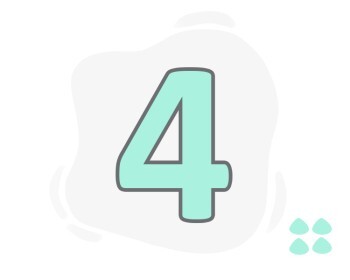
the number 4
cztery
Potrzebujemy czterech szklanek wody, aby zrobić lemoniadę.

the number 5
pięć, cyfra pięć
Na każdej ręce jest pięć palców.
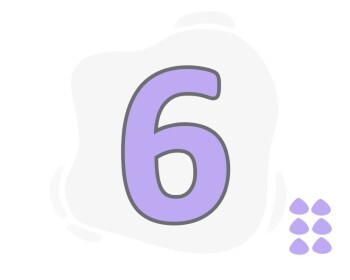
the number 6
sześć, cyfra sześć
Mój przyjaciel ma sześć naklejek w swoim zeszycie.
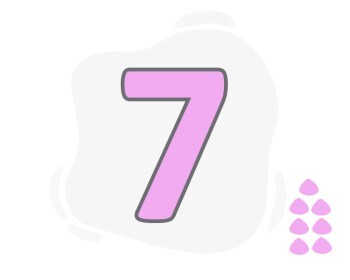
the number 7
siedem, cyfra siedem
Tydzień ma siedem dni.
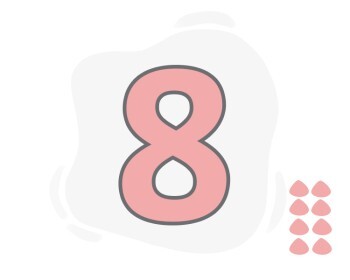
the number 8
osiem, liczba osiem
Musimy wybrać osiem zdjęć do kolażu.
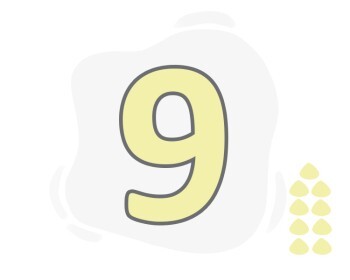
the number 9
dziewięć, cyfra dziewięć
Musimy znaleźć dziewięć muszli do naszego projektu artystycznego.
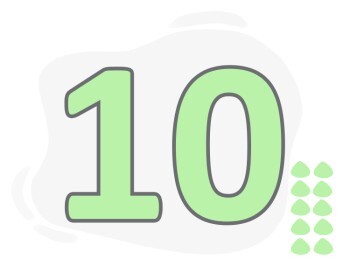
the number 10
dziesięć
Mój przyjaciel ma dziesięć naklejek w zeszycie.

(subjective first-person singular pronoun) used by the speaker to refer to themselves when they are the subject of the sentence
ja
Muszę skończyć moją pracę domową przed kolacją.

(second-person pronoun) used for referring to the one or the people we are writing or talking to
ty, wy
O której godzinie ty wychodzisz do pracy?

(subjective third-person singular pronoun) used when referring to a male human or animal that was already mentioned or one that is easy to identify
on
Gdzie on jedzie na wakacje w tym roku?

(subjective third-person singular pronoun) used when referring to a female human or animal that was already mentioned or one that is easy to identify
ona
Ona jest tą, która zorganizowała wydarzenie charytatywne w zeszłym miesiącu.
(subjective third-person singular pronoun) used when referring to something or an animal as the subject of a sentence
ono, to
Kot uwielbia gonić za wskaźnikiem laserowym; to zapewnia godziny rozrywki.

(first-person singular possessive determiner) of or belonging to the speaker or writer
mój, moja
Czy mogę prosić o zwrot mojego długopisu?

(second-person possessive determiner) of or belonging to the person or people being spoken or written to
twój, wasz
Widziałeś swój telefon gdziekolwiek?

(third-person singular possessive determiner) of or belonging to a man or boy who has already been mentioned or is easy to identify
jego, swoj
Tom zapytał, czy może pożyczyć rower swojego brata.

(third-person singular possessive determiner) of or belonging to a female human or animal that was previously mentioned or one that is easy to identify
jej, swoją
Pochwaliłem ją za jej piękną sukienkę.

(third-person singular possessive determiner) of or belonging to a thing or an animal or child of unknown sex
jego, jej
Firma ogłosiła swoją nową linię produktów.
