pattern

Total English - Starter - Unit 1 - Lesson 1

Here you will find the vocabulary from Unit 1 - Lesson 1 in the Total English Starter coursebook, such as "welcome", "zero", "you", etc.

Review

Flashcards

Forms

Spelling

Quiz

Start learning
Total English - Starter
hello
hello
[interjection]

a word we say when we meet someone or answer the phone
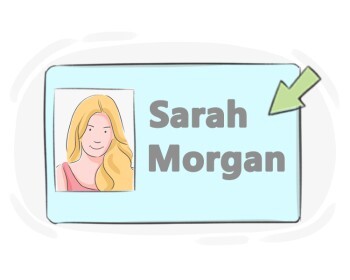
Ex: Hello, I am the new student and my name is Sarah. 
Close
Sign in
welcome
welcome
[interjection]

a word that we use to greet someone when they arrive
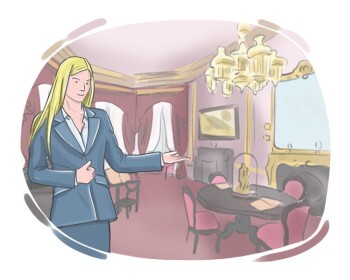
Ex: Welcome, Come on in and make yourself at home. 
Close
Sign in
name
name
[noun]

the word we call a person or thing

Ex: He introduced himself by saying, "Hi, my name is Alex." 
Close
Sign in
zero
zero
[numeral]

the number 0

Ex: I have zero dollars in my wallet. 
Close
Sign in
oh
oh
[numeral]

used as an informal way to indicate the number zero in a sequence or phone number

Close
Sign in
one
one
[numeral]

the number 1

Ex: I have one book. 
Close
Sign in
two
two
[numeral]

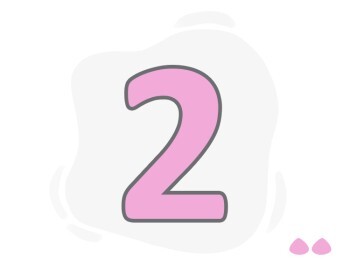
the number 2

Ex: I need to make two copies of this document. 
Close
Sign in
three
three
[numeral]

the number 3

Ex: I counted to three before jumping into the pool. 
Close
Sign in
four
four
[numeral]

the number 4

Ex: There are four seasons in a year: spring, summer, autumn, and winter. 
Close
Sign in
five
five
[numeral]

the number 5

Ex: His favorite number was five, and he always wore a shirt with the number on it to sports games. 
Close
Sign in
six
six
[numeral]

the number 6

Ex: The highest number you can roll on a single die is six. 
Close
Sign in
seven
seven
[numeral]

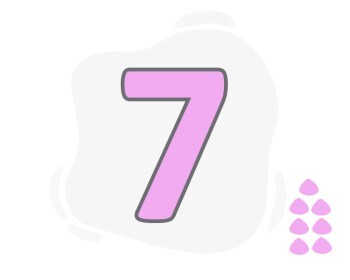
the number 7

Ex: His lucky number is seven, and he always wears a necklace with a seven pendant. 
Close
Sign in
eight
eight
[numeral]

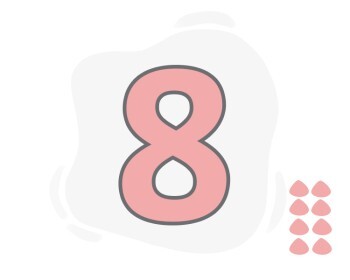
the number 8

Ex: The recipe called for eight ounces of flour, which is about one cup. 
Close
Sign in
nine
nine
[numeral]

the number 9

Ex: The baseball team has nine players on the field at a time. 
Close
Sign in
ten
ten
[numeral]

the number 10

Ex: The soccer team has ten players on the field at a time. 
Close
Sign in
I
I
[pronoun]

(subjective first-person singular pronoun) used by the speaker to refer to themselves when they are the subject of the sentence

Ex: I am going to the store to buy some groceries. 
Close
Sign in
you
you
[pronoun]

(second-person pronoun) used for referring to the one or the people we are writing or talking to

Ex: Can you please pass me the salt? 
Close
Sign in
he
he
[pronoun]

(subjective third-person singular pronoun) used when referring to a male human or animal that was already mentioned or one that is easy to identify

Ex: He is going to the store to buy groceries. 
Close
Sign in
she
she
[pronoun]

(subjective third-person singular pronoun) used when referring to a female human or animal that was already mentioned or one that is easy to identify

Ex: She is studying medicine at the university. 
Close
Sign in
it
it
[pronoun]

(subjective third-person singular pronoun) used when referring to something or an animal as the subject of a sentence

Ex: It is raining heavily outside. 
Close
Sign in
my
my
[determiner]

(first-person singular possessive determiner) of or belonging to the speaker or writer

Ex: This is my house. 
Close
Sign in
your
your
[determiner]

(second-person possessive determiner) of or belonging to the person or people being spoken or written to

Ex: Is this your backpack? 
Close
Sign in
his
his
[determiner]

(third-person singular possessive determiner) of or belonging to a man or boy who has already been mentioned or is easy to identify


Ex: John wore his favorite hat to the party. 
Close
Sign in
her
her
[determiner]

(third-person singular possessive determiner) of or belonging to a female human or animal that was previously mentioned or one that is easy to identify

Ex: She put on her coat before leaving the house. 
Close
Sign in
its
its
[determiner]

(third-person singular possessive determiner) of or belonging to a thing or an animal or child of unknown sex

Ex: The tree shed its leaves in the autumn. 
Close
Sign in
LanGeek
Download LanGeek app