Cartea Total English - Începător - Unitatea 1 - Lecția 1
Aici veți găsi vocabularul din Unitatea 1 - Lecția 1 din manualul Total English Starter, cum ar fi "bun venit", "zero", "tu" etc.
Revizuire
Fișe de studiu
Ortografie
Chestionar

a word we say when we meet someone or answer the phone

salut
Bună, sunt noua studentă și numele meu este Sarah.
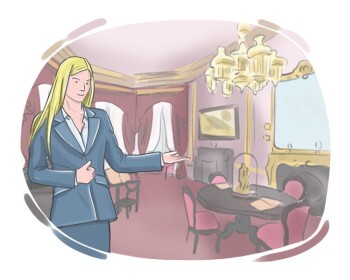
a word that we use to greet someone when they arrive
Bun venit, Bine ați venit
Bine ați venit, intrați și simțiți-vă ca acasă.

the word we call a person or thing
nume, prenume
Numele actorului meu preferat este Tom Hanks.

the number 0
zero, nimic
Am zero dolari în portofel.

used as an informal way to indicate the number zero in a sequence or phone number
zero, oh


the number 2
doi, numărul doi
Trebuie să fac două copii ale acestui document.

the number 3
trei, numărul trei
Am numărat până la trei înainte de a sări în piscină.

the number 4
patru
Există patru anotimpuri într-un an: primăvară, vară, toamnă și iarnă.

the number 5
cinci, numărul cinci
Numărul său preferat era cinci, și purta mereu un tricou cu acel număr la meciurile sportive.

the number 6
șase, numărul șase
Cel mai mare număr pe care îl poți obține aruncând un singur zar este șase.
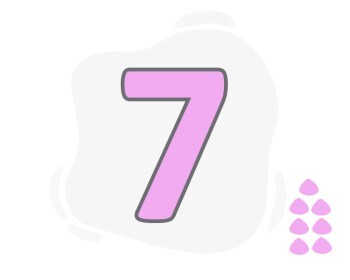
the number 7
șapte, numărul șapte
Numărul lui norocos este șapte, și poartă întotdeauna un colier cu un pandantiv în formă de șapte.
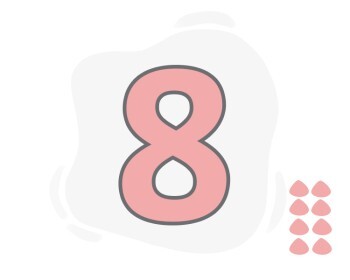
the number 8
opt, numărul opt
Rețeta cerea opt uncii de făină, ceea ce înseamnă aproximativ o cană.

the number 9
nouă, numărul nouă
Echipa de baseball are nouă jucători pe teren la un moment dat.

the number 10
zece
Echipa de fotbal are zece jucători pe teren în același timp.

(subjective first-person singular pronoun) used by the speaker to refer to themselves when they are the subject of the sentence
eu
Eu mă bucur să citesc cărți în timpul liber.

(second-person pronoun) used for referring to the one or the people we are writing or talking to
tu, voi
Îți place înghețata de ciocolată?

(subjective third-person singular pronoun) used when referring to a male human or animal that was already mentioned or one that is easy to identify
el
El merge la magazin pentru a cumpăra alimente.

(subjective third-person singular pronoun) used when referring to a female human or animal that was already mentioned or one that is easy to identify
ea
Ea studiază medicina la universitate.

(subjective third-person singular pronoun) used when referring to something or an animal as the subject of a sentence
el, ea
Se pare că computerul nu funcționează corect.

(first-person singular possessive determiner) of or belonging to the speaker or writer
meu, mea
Aceasta este casa mea.

(second-person possessive determiner) of or belonging to the person or people being spoken or written to
tău, dumneavoastră
Acesta este rucsacul tău?

(third-person singular possessive determiner) of or belonging to a man or boy who has already been mentioned or is easy to identify
lui, său
John și-a purtat pălăria lui preferată la petrecere.