pattern

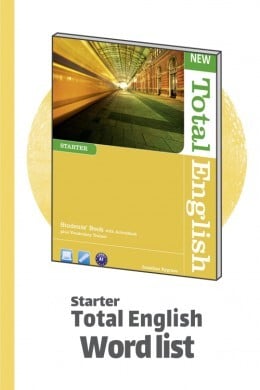
Книга Total English - Начальный - Раздел 1 - Урок 1

Здесь вы найдете словарь из Раздела 1 - Урока 1 учебника Total English Starter, такие как "добро пожаловать", "ноль", "ты" и т.д.

Обзор

Флэш-карточки

формы

Правописание

Тест

Начать учиться
Total English - Starter
hello
hello
[междометие]

a word we say when we meet someone or answer the phone

здравствуйте

здравствуйте

Ex: Hello, it 's good to see you again .

Привет, рад снова тебя видеть.

Закрыть
Войти
welcome
welcome
[междометие]

a word that we use to greet someone when they arrive

добро пожаловать

добро пожаловать

Ex: Welcome, We 're glad to have you as part of our team .

Добро пожаловать, мы рады видеть вас в нашей команде.

Закрыть
Войти
name
name
[существительное]

the word we call a person or thing

имя

имя

Ex: The teacher called out our names one by one for attendance.

Учитель вызывал наши имена по одному для посещаемости.

Закрыть
Войти
zero
zero
[числительное]

the number 0

ноль

ноль

Ex: I have zero problems with the project .

У меня ноль проблем с проектом.

Закрыть
Войти
oh
oh
[числительное]

used as an informal way to indicate the number zero in a sequence or phone number

ноль

ноль

Закрыть
Войти
one
one
[числительное]

the number 1

один

один

Ex: He has one pet dog named Max .

У него есть одна домашняя собака по имени Макс.

Закрыть
Войти
two
two
[числительное]

the number 2

два

два

Ex: There are two apples on the table .

На столе два яблока.

Закрыть
Войти
three
three
[числительное]

the number 3

три

три

Ex: I have three favorite colors : red , blue , and green .

У меня есть три любимых цвета: красный, синий и зеленый.

Закрыть
Войти
four
four
[числительное]

the number 4

четыре

четыре

Ex: Look at the four colorful balloons in the room .

Посмотрите на четыре разноцветных шара в комнате.

Закрыть
Войти
five
five
[числительное]

the number 5

пять

пять

Ex: We need five pencils for our group project .

Нам нужно пять карандашей для нашего группового проекта.

Закрыть
Войти
six
six
[числительное]

the number 6

шесть

шесть

Ex: We need to collect six leaves for our project .

Нам нужно собрать шесть листьев для нашего проекта.

Закрыть
Войти
seven
seven
[числительное]

the number 7

семь

семь

Ex: My sister has seven colorful balloons for her party .

У моей сестры семь разноцветных шаров для её вечеринки.

Закрыть
Войти
eight
eight
[числительное]

the number 8

восемь

восемь

Ex: Look at the eight colorful flowers in the garden .

Посмотрите на восемь красочных цветов в саду.

Закрыть
Войти
nine
nine
[числительное]

the number 9

девять

девять

Ex: There are nine colorful balloons at the party .

На вечеринке есть девять разноцветных воздушных шаров.

Закрыть
Войти
ten
ten
[числительное]

the number 10

десять

десять

Ex: We need to collect ten leaves for our project .

Нам нужно собрать десять листьев для нашего проекта.

Закрыть
Войти
I
I
[местоимение]

(subjective first-person singular pronoun) used by the speaker to refer to themselves when they are the subject of the sentence

Я

Я

Ex: I want to learn how to play the guitar .

Я хочу научиться играть на гитаре.

Закрыть
Войти
you
you
[местоимение]

(second-person pronoun) used for referring to the one or the people we are writing or talking to

ты, вы

ты, вы

Ex: You should take a break and relax .

Ты должен сделать перерыв и расслабиться.

Закрыть
Войти
he
he
[местоимение]

(subjective third-person singular pronoun) used when referring to a male human or animal that was already mentioned or one that is easy to identify

он

он

Ex: He is the one who fixed the leaky faucet in the kitchen .

Он тот, кто починил протекающий кран на кухне.

Закрыть
Войти
she
she
[местоимение]

(subjective third-person singular pronoun) used when referring to a female human or animal that was already mentioned or one that is easy to identify

она

она

Ex: She always brings a positive attitude to the team meetings .

Она всегда приносит позитивный настрой на командные встречи.

Закрыть
Войти
it
it
[местоимение]

(subjective third-person singular pronoun) used when referring to something or an animal as the subject of a sentence

оно

оно

Ex: The movie received mixed reviews , but overall , it was well-received by audiences .

Фильм получил неоднозначные отзывы, но в целом, он был хорошо принят зрителями.

Закрыть
Войти
my
my
[определитель]

(first-person singular possessive determiner) of or belonging to the speaker or writer

мой

мой

Ex: My favorite color is blue .

Мой любимый цвет — синий.

Закрыть
Войти
your
your
[определитель]

(second-person possessive determiner) of or belonging to the person or people being spoken or written to

ваш

ваш

Ex: Your opinion matters to us .

Ваше мнение важно для нас.

Закрыть
Войти
his
his
[определитель]

(third-person singular possessive determiner) of or belonging to a man or boy who has already been mentioned or is easy to identify

его

его

Ex: The king waved to the crowd from his balcony .

Король помахал толпе с своего балкона.

Закрыть
Войти
her
her
[определитель]

(third-person singular possessive determiner) of or belonging to a female human or animal that was previously mentioned or one that is easy to identify

её

её

Ex: The queen waved to her subjects from the balcony .

Королева помахала своим подданным с балкона.

Закрыть
Войти
its
its
[определитель]

(third-person singular possessive determiner) of or belonging to a thing or an animal or child of unknown sex

его

его

Ex: The robot powered up its systems for the demonstration.

Робот включил свои системы для демонстрации.

Закрыть
Войти
LanGeek
Скачать приложение LanGeek