pattern

Le livre Interchange - Intermédiaire - Unité 3 - Partie 2

Ici, vous trouverez le vocabulaire de l'Unité 3 - Partie 2 du manuel Interchange Intermediate, comme "dommage", "biologique", "critiquer", etc.

Réviser

Flashcards

formes

Orthographe

Quiz
Commencer à apprendre
Interchange - Intermediate
diploma
diploma
[nom]

a certificate given to someone who has completed a course of study

diplôme

diplôme

Ex: Graduates received their diplomas during the commencement ceremony. 

Les diplômés ont reçu leurs diplômes lors de la cérémonie de remise des diplômes.

experience

the skill and knowledge we gain from doing, feeling, or seeing things

expérience

expérience

Ex: Traveling to different countries broadens one's cultural experiences. 
to imagine
to imagine
[verbe]

to make or have an image of something in our mind

imaginer

imaginer

Ex: Can you imagine a world without technology? 
successful
successful
[Adjectif]

getting the results you hoped for or wanted

réussi

réussi

Ex: He had a successful career in the movie industry. 

Il a eu une carrière réussie dans l'industrie du cinéma.
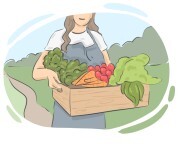
organic
organic
[Adjectif]

produced or grown without artificial fertilizers, pesticides, or other synthetic chemicals

organique
organique

Ex: The farm produces organic eggs and milk. 
to damage
to damage
[verbe]

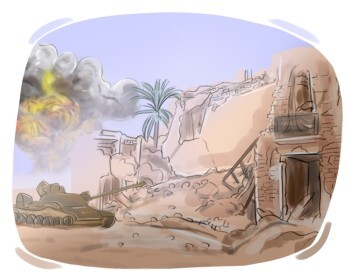
to physically harm something

endommager, faire du mal à
endommager, faire du mal à

Ex: Careless handling of the fragile items could easily damage them. 
furniture

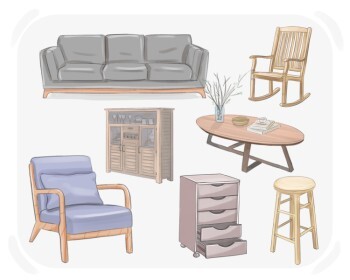
pieces of equipment such as tables, desks, beds, etc. that we put in a house or office so that it becomes suitable for living or working in

meubles

meubles

Ex: The dining room has a table and chairs as furniture. 
experiment

a test done to prove the truthfulness of a hypothesis

expérience
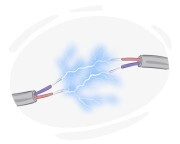
expérience

Ex: Her science fair project involved designing and executing several experiments. 
electricity

a source of power used for lighting, heating, and operating machines

électricité

électricité

Ex: It's important to save electricity by turning off lights when not in use. 

Il est important d'économiser l'électricité en éteignant les lumières lorsqu'elles ne sont pas utilisées.
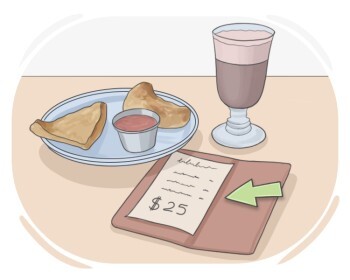
bill
bill
[nom]

a piece of printed paper that shows the amount of money a person has to pay for goods or services received

addition, note

addition, note

Ex: The bill showed they had been charged for an extra drink. 
either
either
[Adverbe]

used after negative statements to indicate a similarity between two situations or feelings

soit

soit

Ex: I can’t go to the party tonight, and my friend can’t either. 

Je ne peux pas aller à la fête ce soir, et mon ami non plus non plus.
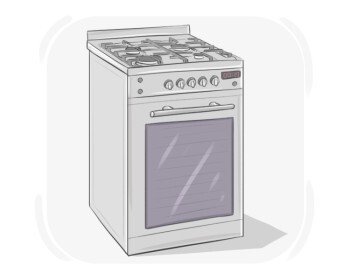
stove
stove
[nom]

a box-shaped equipment used for cooking or heating food by either putting it inside or on top of the equipment

four

four

Ex: I boiled water on the stove to make a cup of tea. 
toilet paper

soft, thin paper in sheets or on a roll for cleaning after using the toilet

papier hygiènique

papier hygiènique

Ex: I had to use some toilet paper to clean up the spill. 

J'ai dû utiliser du papier toilette pour nettoyer le déversement.
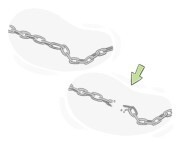
separate
separate
[Adjectif]

not connected to anything, and forming a unit by itself

séparé, indépendant

séparé, indépendant

Ex: The company operates two separate divisions for manufacturing and sales. 
to wish
to wish
[verbe]

to desire something to occur or to be true even though it is improbable or not possible

souhaiter
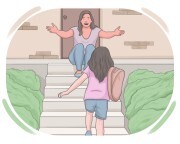
souhaiter

Ex: They wished they had invested in the stock market years ago. 
to go back
to go back
[verbe]

to return to a previous location, position, or state

retourner, revenir

retourner, revenir

Ex: I need to go back to the office to retrieve a document I left behind. 

Je dois revenir au bureau pour récupérer un document que j'ai oublié.

to improve
to improve
[verbe]

to make a person or thing better

améliorer
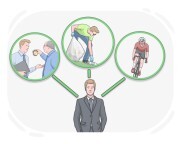
améliorer

Ex: Adding more details to your essay will improve its clarity and depth. 
personality

all the qualities that shape a person's character and make them different from others

personnalité
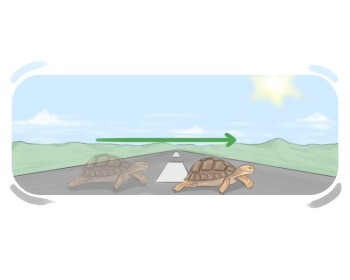
personnalité

Ex: Even though they're twins, their personalities are quite different. 
to move
to move
[verbe]

to change your position or location

se déplacer, bouger
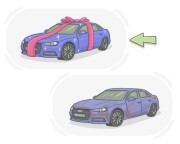
se déplacer, bouger

Ex: The camper could hear animals moving around in the bushes nearby. 
new
new
[Adjectif]

recently invented, made, etc.

nouveau, nouvelle, nouvel
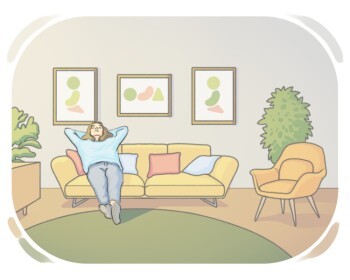
nouveau, nouvelle, nouvel

Ex: He just moved into a new apartment downtown. 
home
home
[nom]

the place that we live in, usually with our family

maison
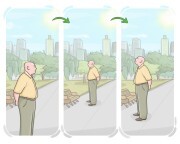
maison

Ex: Their home was always filled with laughter and warmth. 
to spend
to spend
[verbe]

to pass time in a particular manner or in a certain place

passer, occuper
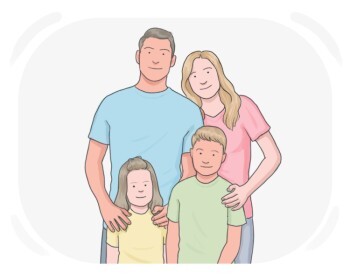
passer, occuper

Ex: They spent the afternoon hiking in the mountains. 
family
family
[nom]

people that are related to each other by blood or marriage, normally made up of a father, mother, and their children

famille
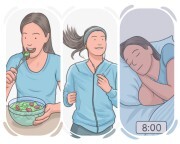
famille

Ex: I have a big family with lots of cousins and aunts and uncles. 
lifestyle

the way a person or group lives, including their habits, activities, and choices

style de vie
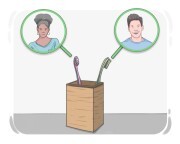
style de vie

Ex: His job allows him to maintain a comfortable lifestyle. 
own
own
[Adjectif]

used for showing that someone or something belongs to or is connected with a particular person or thing

propre

propre

Ex: She drives her own car to work every day. 
business

the activity of providing services or products in exchange for money

commerce, business
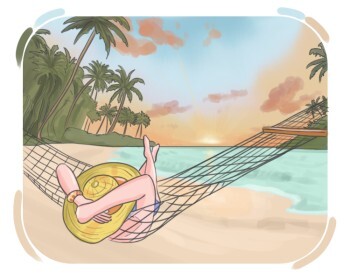
commerce, business

Ex: Our family has a small restaurant business. 
to enjoy
to enjoy
[verbe]

to take pleasure or find happiness in something or someone

jouir de
jouir de

Ex: We enjoyed a delicious meal at the new restaurant in town. 
to add
to add
[verbe]

to put things together to make them bigger in size or quantity

ajouter

ajouter

Ex: Please add your name to the list of participants. 
volunteer
volunteer
[Adjectif]

describing a service or activity performed willingly without receiving payment

bénévole, volontaire
bénévole, volontaire

Ex: The organization relied on volunteer efforts to distribute food to those in need. 
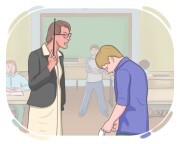
still
still
[Adverbe]

up to now or the time stated

encore, toujours
encore, toujours

Ex: She still remembers our first meeting. 
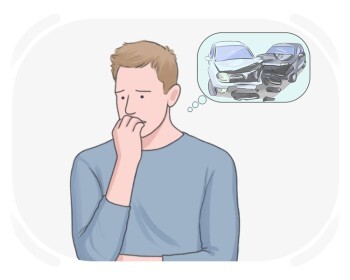
to worry
to worry
[verbe]

to feel upset and nervous because we think about bad things that might happen to us or our problems

s'inquiéter
s'inquiéter

Ex: Don't worry, I'll take care of everything while you're away. 
to criticize

to express disapproval of someone or something by pointing out faults or weaknesses

critiquer

critiquer

Ex: Emma was criticized for arriving late to several meetings. 
to live
to live
[verbe]

to have your home somewhere specific

vivre, habiter

vivre, habiter

Ex: I live in a small town near the mountains. 
would
would
[verbe]

used to make an offer or request in a polite manner

[verbe au conditionnel]

[verbe au conditionnel]

Ex: I would appreciate it if you could send me the report by the end of the day. 
can
can
[verbe]

used to present an offer or suggestion

pouvoir

pouvoir

Ex: I can carry that bag for you. 
could
could
[verbe]

used to ask if one can do something

[pouvoir au conditionnel]

[pouvoir au conditionnel]

Ex: Could you help me with my homework? 

Pourrais-tu m'aider avec mes devoirs ?
to stop
to stop
[verbe]

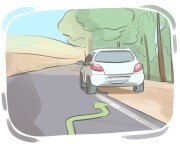
to not move anymore

arrêter, s'arrêter

arrêter, s'arrêter

Ex: The bus stopped at the bus stop to pick up passengers. 
LanGeek
Télécharger l'application LanGeek