
本 Interchange - 中級 - ユニット3 - パート2

ここでは、Interchange Intermediateコースブックのユニット3 - パート2からの語彙を見つけることができます。例えば「損害」、「有機」、「批判する」などです。

review-disable

レビュー

flashcard-disable

フラッシュカード

spelling-disable

綴り

quiz-disable

クイズ

学習を開始
本 Interchange - 中級
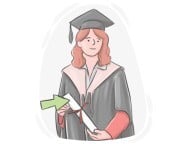
diploma [名詞]

a certificate given to someone who has completed a course of study

اجرا کردن

卒業証書

Ex: She proudly displayed her diploma on the wall of her office .

彼女は誇らしげにオフィスの壁に自分の卒業証書を飾った。

experience [名詞]

the skill and knowledge we gain from doing, feeling, or seeing things

اجرا کردن

経験

Ex: Her years of experience as a chef have made her an expert in the kitchen .

シェフとしての彼女の何年もの経験が、彼女をキッチンのエキスパートにしました。

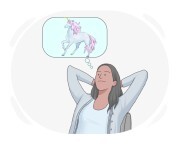
to imagine [動詞]

to make or have an image of something in our mind

اجرا کردن

想像する

Ex: Close your eyes and imagine a beautiful sunset over the ocean .

目を閉じて海の上に美しい夕日を想像してください

successful [形容詞]

getting the results you hoped for or wanted

اجرا کردن

成功した

Ex: After years of practice , he became a successful musician .

何年もの練習の後、彼は成功した音楽家になりました。

organic [形容詞]

(of food or farming techniques) produced or done without any artificial or chemical substances

اجرا کردن

有機

Ex: Organic farming relies on natural methods and avoids the use of synthetic pesticides and fertilizers .

有機農業は自然の方法に頼り、合成農薬や肥料の使用を避けます。

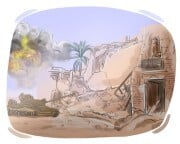
to damage [動詞]

to physically harm something

اجرا کردن

損傷する

Ex: The storm 's strong winds and hailstones damaged the roof of the house .

嵐の強風と雹が家の屋根を損傷させた。

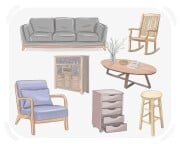
furniture [名詞]

pieces of equipment such as tables, desks, beds, etc. that we put in a house or office so that it becomes suitable for living or working in

اجرا کردن

家具

Ex: My father cleaned and polished the wooden furniture to keep it looking nice .

父は木製の家具をきれいに掃除して磨き、見た目を良くしました。

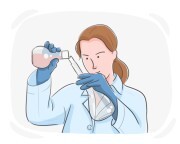
experiment [名詞]

a test done to prove the truthfulness of a hypothesis

اجرا کردن

実験

Ex: The scientists conducted an experiment to test their new hypothesis .

科学者たちは新しい仮説をテストするために実験を行いました。

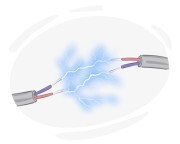
electricity [名詞]

a source of power used for lighting, heating, and operating machines

اجرا کردن

電気

Ex: During the storm , we lost electricity for a few hours .

嵐の間、私たちは数時間電気を失いました。

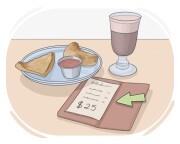
bill [名詞]

a piece of printed paper that shows the amount of money a person has to pay for goods or services received

اجرا کردن

請求書

Ex: She asked the waiter for the bill after finishing her meal .

彼女は食事を終えた後、ウェイターに請求書を求めた。

either [副詞]

used after negative statements to indicate a similarity between two situations or feelings

اجرا کردن

も〜ない

Ex: He does n’t like vegetables , and he does n’t like fruits either .

彼は野菜が好きではなく、果物も好きではありません。

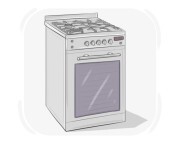
stove [名詞]

a box-shaped equipment used for cooking or heating food by either putting it inside or on top of the equipment

اجرا کردن

ストーブ

Ex: I accidentally burned my hand on the hot stove .

誤って熱いストーブで手を火傷してしまった。

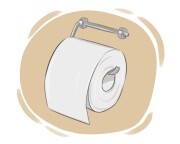
soft, thin paper in sheets or on a roll for cleaning after using the toilet

اجرا کردن

トイレットペーパー

Ex: The bathroom was out of toilet paper , so I had to grab a new roll .

トイレにトイレットペーパーがなかったので、新しいロールを取らなければなりませんでした。

separate [形容詞]

not connected to anything, and forming a unit by itself

اجرا کردن

別々の

Ex: The hotel has separate rooms for guests traveling alone .

ホテルには一人旅のゲスト用に別々の部屋があります。

to wish [動詞]

to desire something to occur or to be true even though it is improbable or not possible

اجرا کردن

願う

Ex: He regularly wishes he could travel the world .

彼は定期的に世界を旅できることを願っています

to go back [動詞]

to return to a previous location, position, or state

اجرا کردن

戻る

Ex: He decided to go back to the old town where he grew up.

彼は育った古い町に戻ることに決めた。

to improve [動詞]

to make a person or thing better

اجرا کردن

改善する

Ex: Regular exercise can improve your overall health .

定期的な運動はあなたの全体的な健康を改善することができます。

personality [名詞]

all the qualities that shape a person's character and make them different from others

اجرا کردن

性格

Ex: Despite her shy personality , she 's a fantastic performer on stage .

彼女の内気な性格にもかかわらず、彼女はステージ上で素晴らしいパフォーマーです。

to move [動詞]

to change your position or location

اجرا کردن

動く

Ex: She moved quickly to avoid the falling object .

彼女は落ちてくる物体を避けるために素早く動いた

new [形容詞]

recently invented, made, etc.

اجرا کردن

新しい

Ex: The new software update includes several innovative features not seen before .

新しいソフトウェアアップデートには、これまでに見られないいくつかの革新的な機能が含まれています。

home [名詞]

the place that we live in, usually with our family

اجرا کردن

Ex: The family moved into a new home in the suburbs .

家族は郊外に新しいに引っ越しました。

to spend [動詞]

to pass time in a particular manner or in a certain place

اجرا کردن

過ごす

Ex: He spends his free time practicing the guitar .

彼は自由な時間をギターの練習に費やしています

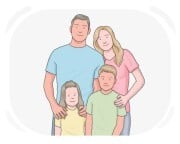
family [名詞]

people that are related to each other by blood or marriage, normally made up of a father, mother, and their children

اجرا کردن

家族

Ex: Family is important to me because they support me when I need it .

家族は私にとって重要です。なぜなら、必要な時にサポートしてくれるからです。

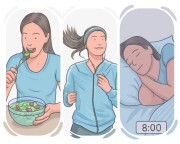
lifestyle [名詞]

a type of life that a person or group is living

اجرا کردن

ライフスタイル

Ex: Her healthy lifestyle includes regular exercise and a balanced diet .

彼女の健康的なライフスタイルには、定期的な運動とバランスの取れた食事が含まれます。

own [形容詞]

used for showing that someone or something belongs to or is connected with a particular person or thing

اجرا کردن

自身の

Ex: Each plant has its own pot in the garden .

庭では、各植物に独自の鉢があります。

business [名詞]

the activity of providing services or products in exchange for money

اجرا کردن

ビジネス

Ex: Her passion for photography led her to start a business .

彼女の写真への情熱は、ビジネスを始めるきっかけとなりました。

to enjoy [動詞]

to take pleasure or find happiness in something or someone

اجرا کردن

楽しむ

Ex: She enjoys listening to classical music while working .

彼女は仕事をしながらクラシック音楽を聴くことを楽しんでいます

to add [動詞]

to put things together to make them bigger in size or quantity

اجرا کردن

加える

Ex: An extra paragraph was added to the report for additional information.

追加情報のためにレポートに余分な段落が追加されました。

volunteer [形容詞]

describing a service or activity performed willingly without receiving payment

اجرا کردن

ボランティアの

Ex: She participated in a volunteer cleanup event at the park.

彼女は公園でのボランティア清掃イベントに参加しました。

still [副詞]

up to now or the time stated

اجرا کردن

まだ

Ex: He still lives in the same house .

彼はまだ同じ家に住んでいます。

to worry [動詞]

to feel upset and nervous because we think about bad things that might happen to us or our problems

اجرا کردن

心配する

Ex: She tends to worry about upcoming exams .

彼女は今度の試験について心配する傾向がある。

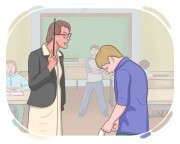
to point out the faults or weaknesses of someone or something

اجرا کردن

批判する

Ex: The teacher criticized the student 's essay for its lack of organization and clarity .

教師は、学生のエッセイをその組織性と明確さの欠如について批判した

to live [動詞]

to have your home somewhere specific

اجرا کردن

住む

Ex: She prefers to live in a quiet country side away from crowded cities.

彼女は混雑した都市から離れた静かな田舎に住むことを好みます。

would [動詞]

used to make an offer or request in a polite manner

اجرا کردن

したいですか

Ex: Would you like some help with your presentation before the meeting ?

会議の前にプレゼンテーションの準備を手伝いましょうか?

can [動詞]

used to present an offer or suggestion

اجرا کردن

できる

could [動詞]

used to ask if one can do something

اجرا کردن

していただけますか

Ex: Could you please pass me the salt ?

塩を取っていただけますか?

to stop [動詞]

to not move anymore

اجرا کردن

止まる

Ex: The car stopped at the pedestrian crosswalk .

車は横断歩道で止まった