pattern

Interchange - Intermediate - Unit 3 - Part 2

Here you will find the vocabulary from Unit 3 - Part 2 in the Interchange Intermediate coursebook, such as "damage", "organic", "criticize", etc.

Review

Flashcards

Forms

Spelling

Quiz
Start learning
Interchange - Intermediate
diploma
diploma
[noun]

a certificate given to someone who has completed a course of study

Ex: She proudly displayed her diploma on the wall of her office. 
Close
Sign in
experience

the skill and knowledge we gain from doing, feeling, or seeing things
Ex: Her years of experience as a chef have made her an expert in the kitchen. 
Close
Sign in
to imagine

to make or have an image of something in our mind

Ex: Close your eyes and imagine a beautiful sunset over the ocean. 
Close
Sign in
successful
successful
[Adjective]

getting the results you hoped for or wanted
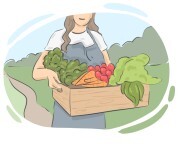
Ex: After years of practice, he became a successful musician. 
Close
Sign in
organic
organic
[Adjective]

(of food or farming techniques) produced or done without any artificial or chemical substances
Ex: Organic farming relies on natural methods and avoids the use of synthetic pesticides and fertilizers. 
Close
Sign in
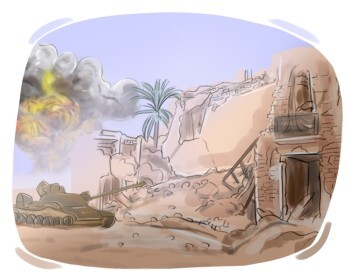
to damage
to damage
[Verb]

to physically harm something

Ex: The storm's strong winds and hailstones damaged the roof of the house. 
Close
Sign in
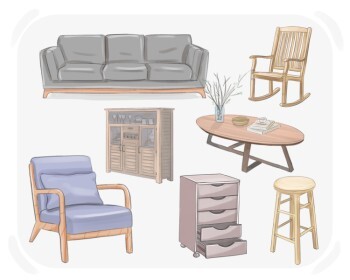
furniture
furniture
[noun]

pieces of equipment such as tables, desks, beds, etc. that we put in a house or office so that it becomes suitable for living or working in
Ex: My father cleaned and polished the wooden furniture to keep it looking nice. 
Close
Sign in
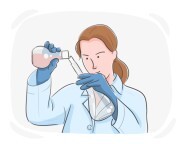
experiment

a test done to prove the truthfulness of a hypothesis
Ex: The scientists conducted an experiment to test their new hypothesis. 
Close
Sign in
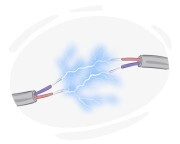
electricity

a source of power used for lighting, heating, and operating machines
Ex: During the storm, we lost electricity for a few hours. 
Close
Sign in
bill
bill
[noun]

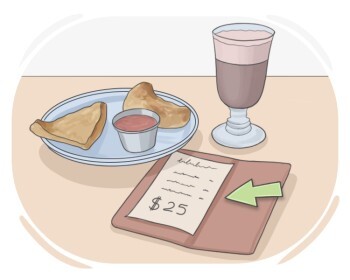
a piece of printed paper that shows the amount of money a person has to pay for goods or services received

Ex: She asked the waiter for the bill after finishing her meal. 
Close
Sign in
either
either
[Adverb]

used after negative statements to indicate a similarity between two situations or feelings
Ex: He doesn’t like vegetables, and he doesn’t like fruits either. 
Close
Sign in
stove
stove
[noun]

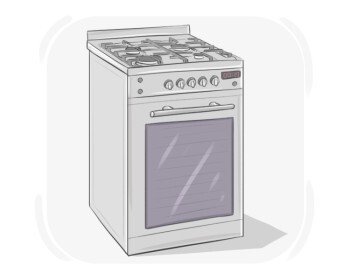
a box-shaped equipment used for cooking or heating food by either putting it inside or on top of the equipment

Ex: I accidentally burned my hand on the hot stove. 
Close
Sign in
toilet paper

soft, thin paper in sheets or on a roll for cleaning after using the toilet
Ex: The bathroom was out of toilet paper, so I had to grab a new roll. 
Close
Sign in
separate
separate
[Adjective]

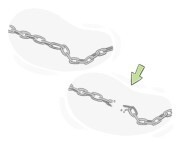
not connected to anything, and forming a unit by itself
Ex: The hotel has separate rooms for guests traveling alone. 
Close
Sign in
to wish
to wish
[Verb]

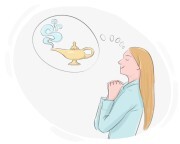
to desire something to occur or to be true even though it is improbable or not possible
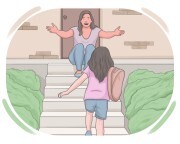
Ex: He regularly wishes he could travel the world. 
Close
Sign in
to go back

to return to a previous location, position, or state

Ex: He decided to go back to the old town where he grew up. 
Close
Sign in
to improve

to make a person or thing better

Ex: Regular exercise can improve your overall health. 
Close
Sign in
personality

all the qualities that shape a person's character and make them different from others
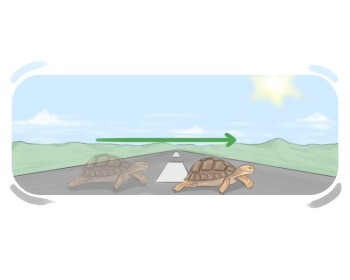
Ex: Despite her shy personality, she's a fantastic performer on stage. 
Close
Sign in
to move
to move
[Verb]

to change your position or location

Ex: She moved quickly to avoid the falling object. 
Close
Sign in
new
new
[Adjective]

recently invented, made, etc.

Ex: The new software update includes several innovative features not seen before. 
Close
Sign in
home
home
[noun]

the place that we live in, usually with our family
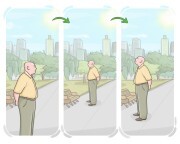
Ex: The family moved into a new home in the suburbs. 
Close
Sign in
to spend
to spend
[Verb]

to pass time in a particular manner or in a certain place
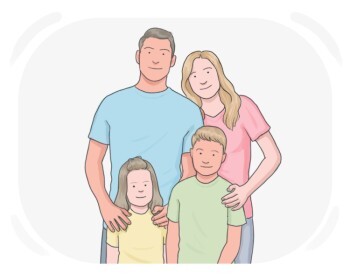
Ex: He spends his free time practicing the guitar. 
Close
Sign in
family
family
[noun]

people that are related to each other by blood or marriage, normally made up of a father, mother, and their children
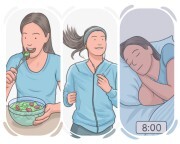
Ex: Family is important to me because they support me when I need it. 
Close
Sign in
lifestyle
lifestyle
[noun]

a type of life that a person or group is living
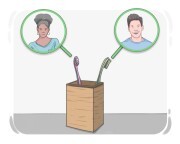
Ex: Her healthy lifestyle includes regular exercise and a balanced diet. 
Close
Sign in
own
own
[Adjective]

used for showing that someone or something belongs to or is connected with a particular person or thing

Ex: Each plant has its own pot in the garden. 
Close
Sign in
business
business
[noun]

the activity of providing services or products in exchange for money
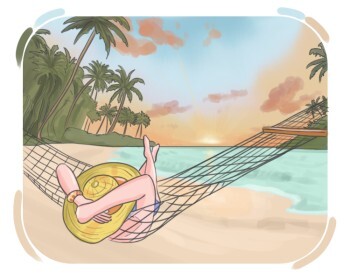
Ex: Her passion for photography led her to start a business. 
Close
Sign in
to enjoy
to enjoy
[Verb]

to take pleasure or find happiness in something or someone
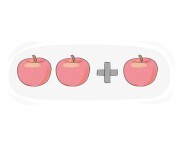
Ex: She enjoys listening to classical music while working. 
Close
Sign in
to add
to add
[Verb]

to put things together to make them bigger in size or quantity

Ex: An extra paragraph was added to the report for additional information. 
Close
Sign in
volunteer
volunteer
[Adjective]

describing a service or activity performed willingly without receiving payment
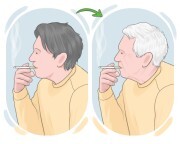
Ex: She participated in a volunteer cleanup event at the park. 
Close
Sign in
still
still
[Adverb]

up to now or the time stated

Ex: He still lives in the same house. 
Close
Sign in
to worry
to worry
[Verb]

to feel upset and nervous because we think about bad things that might happen to us or our problems
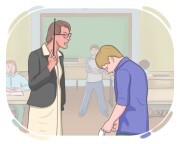
Ex: She tends to worry about upcoming exams. 
Close
Sign in
to criticize

to point out the faults or weaknesses of someone or something

Ex: The teacher criticized the student's essay for its lack of organization and clarity. 
Close
Sign in
to live
to live
[Verb]

to have your home somewhere specific

Ex: She prefers to live in a quiet country side away from crowded cities. 
Close
Sign in
would
would
[Verb]

used to make an offer or request in a polite manner

Ex: Would you like some help with your presentation before the meeting? 
Close
Sign in
can
can
[Verb]

used to present an offer or suggestion

Close
Sign in
could
could
[Verb]

used to ask if one can do something

Ex: Could you please pass me the salt? 
Close
Sign in
to stop
to stop
[Verb]

to not move anymore

Ex: The car stopped at the pedestrian crosswalk. 
Close
Sign in
LanGeek
Download LanGeek app