
Vocabulaire pour l'IELTS General (Score 5) - Opinions
Ici, vous apprendrez quelques mots anglais liés aux opinions qui sont nécessaires pour l'examen IELTS General Training.
Réviser
Flashcards
Orthographe
Quiz


to express your annoyance, unhappiness, or dissatisfaction about something

se plaindre
Les clients ont décidé de se plaindre du mauvais service qu'ils ont reçu au restaurant.
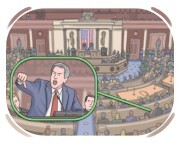
to strongly disagree with a policy, plan, idea, etc. and try to prevent or change it
s’opposer à
Elle s'est opposée aux nouvelles réglementations, arguant qu'elles étaient trop restrictives pour les petites entreprises.

to show disagreement by taking action or expressing it verbally, particularly in public
protester
Les membres de la communauté ont tenu des pancartes et scandé des slogans pour protester contre la fermeture de leur bibliothèque locale.

to put blame on someone or something for a mistake or problem
reprocher,incriminer
Le superviseur reprochera toute déviation des procédures établies.

to strongly criticize someone or something, often in a hostile or aggressive manner

to form an opinion about someone or something after considering the available information
penser, estimer
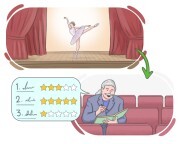
to carefully examine something in a detailed manner
faire la critique de, critiquer
L'éditeur critique le manuscrit, offrant des suggestions pour révision et amélioration.

to express strong disapproval of someone or something, especially publicly
condamner, désapprouver
to say or feel that someone or something is responsible for a mistake or problem
accuser
Les parents ont rapidement blâmé l'école lorsque les notes de leur enfant ont baissé, négligeant le manque d'effort de l'enfant.

to have or express a different opinion from someone else
ne pas être d'accord

to not like someone or something
ne pas aimer

to say yes to what is asked of you or offered to you
accepter
Il a accepté les termes et conditions de l'accord.

to feel that someone or something is good, enjoyable, or interesting
aimer, aimer bien, apprécier
Malgré tout ce que j'ai fait pour lui, je ne pense pas qu'il m'aime.

to judge the quality, importance, value, or effectiveness of someone or something
évaluer

to officially agree to a plan, proposal, etc.
approuver
Après avoir examiné la proposition, le comité a décidé à l'unanimité d'approuver le projet pour sa mise en œuvre.

to agree with the truth of something, particularly in an unwilling manner
admettre, avouer
Le manager admet qu'il y a des défis dans le projet actuel.
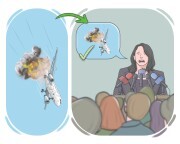
to show or say that something is the case, particularly by providing proof
confirmer
Il confirme ses soupçons concernant la fuite après avoir inspecté les tuyaux.

to express disapproval of someone or something by pointing out faults or weaknesses
critiquer
