pattern

Vocabulario para IELTS General (Puntuación 5) - Opiniones

Aquí, aprenderás algunas palabras en inglés relacionadas con opiniones que son necesarias para el examen IELTS General Training.

Revisión

Tarjetas de memoria

formas

Ortografía

Cuestionario

Empezar a aprender
Vocabulary for General Training IELTS (5)
to complain

to express your annoyance, unhappiness, or dissatisfaction about something

quejarse

quejarse

Ex: Emily likes to complain about the long commute to work every morning. 
to oppose
to oppose
[Verbo]

to strongly disagree with a policy, plan, idea, etc. and try to prevent or change it

oponerse a

oponerse a

Ex: The local residents opposed the construction of the new factory due to environmental concerns. 
to protest
to protest
[Verbo]

to show disagreement by taking action or expressing it verbally, particularly in public

protestar

protestar

Ex: Employees decided to protest the unfair working conditions by organizing a strike. 
to fault
to fault
[Verbo]

to put blame on someone or something for a mistake or problem

considerar a alguien responsable

considerar a alguien responsable

Ex: She tends to fault others without considering her own mistakes. 
to attack
to attack
[Verbo]

to criticize someone for their actions or opinions

atacar, criticar

atacar, criticar

Ex: The politician was attacked by the media for his controversial remarks. 
to judge
to judge
[Verbo]

to form a decision or opinion based on what one knows

juzgar

juzgar

Ex: She judges the quality of the book based on its plot and character development. 
to critique

to carefully examine something in a detailed manner

evaluar

evaluar

Ex: As part of the workshop, participants were encouraged to critique their peers' presentations, offering constructive feedback for refinement. 
to condemn
to condemn
[Verbo]

to strongly and publicly disapprove of something or someone

desacuerdo con algo fuertemente

desacuerdo con algo fuertemente

Ex: The community leaders condemned the act of vandalism in a public statement. 
to blame
to blame
[Verbo]

to say or feel that someone or something is responsible for a mistake or problem

culpar, echar la culpa a

culpar, echar la culpa a

Ex: The teacher decided to blame the entire class for the disruption, even though only a few students were involved. 
to disagree

to hold or give a different opinion about something

estar en desacuerdo con

estar en desacuerdo con

Ex: He disagreed with the critic's review of the play. 
to dislike
to dislike
[Verbo]

to not like a person or thing

no gustar

no gustar

Ex: He dislikes cold weather; he prefers warmer climates. 
to accept
to accept
[Verbo]

to say yes to what is asked of you or offered to you

aceptar, consentir

aceptar, consentir

Ex: He accepted the responsibility of caring for the dog. 
to like
to like
[Verbo]

to feel that someone or something is good, enjoyable, or interesting

gustar

gustar

Ex: He doesn't like the feeling of being rushed. 
to evaluate

to calculate or judge the quality, value, significance, or effectiveness of something or someone

evaluar, valorar

evaluar, valorar

Ex: The teacher evaluates students' performance through tests and assignments. 
to approve
to approve
[Verbo]

to officially agree to a plan, proposal, etc.

aprobar

aprobar

Ex: The board of directors approved the new budget for the upcoming fiscal year. 
to admit
to admit
[Verbo]

to agree with the truth of something, particularly in an unwilling manner

admitir, confesar
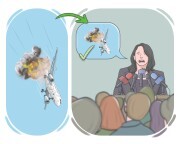
admitir, confesar

Ex: She admits her mistakes openly during team meetings. 
to confirm
to confirm
[Verbo]

to show or say that something is the case, particularly by providing proof

confirmar

confirmar

Ex: The doctor confirmed the diagnosis with the results of the blood test. 
to criticize

to point out the faults or weaknesses of someone or something

criticar

criticar

Ex: The teacher criticized the student's essay for its lack of organization and clarity. 
LanGeek
Descargar la aplicación LanGeek