
Verbes d'Action Verbale - Verbes pour exprimer des opinions
Ici, vous apprendrez quelques verbes anglais se référant à l'expression d'opinions tels que "remarquer", "commenter" et "être en désaccord".
Réviser
Flashcards
Orthographe
Quiz


to share personal opinions about a book, movie, or media to inform and provide insights into its strengths and weaknesses

faire la critique de
Après avoir regardé le film, il a pris les réseaux sociaux pour le critiquer, louant la cinématographie mais critiquant le rythme.

to carefully examine something in a detailed manner
faire la critique de, critiquer
L'éditeur critique le manuscrit, offrant des suggestions pour révision et amélioration.
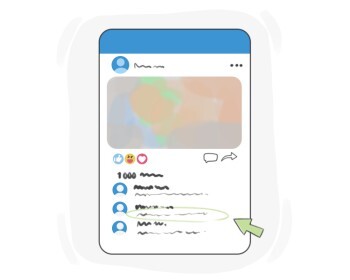
to express one's opinion about something or someone
faire des commentaires sur
Les spectateurs ont été encouragés à regarder la vidéo et à commenter leurs parties préférées ou à partager leurs réflexions.
to express one's opinion through a statement
faire remarquer
Pendant la présentation, le public a été encouragé à remarquer les points clés en écrivant leurs réflexions.

to make a written or spoken remark
faire remarquer, faire observer
Le professeur a observé que la théorie avait des implications significatives pour la compréhension du comportement humain dans des contextes sociaux.
to express one's opinion
faire remarquer, être d'avis
Dans la colonne éditoriale, le journaliste a utilisé la plateforme pour exprimer son opinion sur l'état actuel de l'éducation dans le pays.

to hold the same opinion as another person about something
être d’accord, s'accorder avec
Ils sont d'accord que le film était excellent.

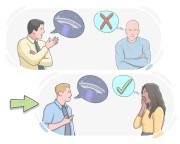
to have or express a different opinion from someone else
ne pas être d'accord
to believe something to be true or valid
accepter,admettre
En tant que penseuse critique, elle est prête à accepter de nouvelles idées seulement après un examen et une évaluation minutieux.

to agree to something, such as a suggestion, request, etc.
consentir, donner son consentement
Dans un processus démocratique, les citoyens expriment leur vote pour approuver ou rejeter la législation proposée.

to express agreement with a particular opinion, statement, action, etc.
être d'accord
Les scientifiques ont examiné les données indépendamment, mais à la fin, ils ont tous convenu des résultats.
to agree to something such as a request, proposal, demand, etc.
accéder à
Le gouvernement a accédé à la demande du public pour une meilleure santé en mettant en œuvre des réformes complètes.

to officially agree to a plan, proposal, etc.
approuver
Après avoir examiné la proposition, le comité a décidé à l'unanimité d'approuver le projet pour sa mise en œuvre.

to formally approve a decision, action, etc., typically through an official process or legal means
ratifier
Après de longues négociations, les pays impliqués dans l'accord commercial ont finalement ratifié les termes.

to refuse to accept or agree to an offer, proposal, idea, or request
refuser, rejeter

to say or show that one is unwilling to do something
refuser
