
Verbe de Acțiune Verbală - Verbe pentru exprimarea opiniilor
Aici veți învăța câteva verbe englezești care se referă la exprimarea opiniilor, cum ar fi "remarca", "comenta" și "a nu fi de acord".
Revizuire
Fișe de studiu
forme
Ortografie
Chestionar

to share personal opinions about a book, movie, or media to inform and provide insights into its strengths and weaknesses

a recenza, a critica
Ea a recenzat cel mai recent roman, evidențiind personajele sale captivante și temele care provoacă gânduri.
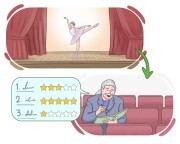
to carefully examine something in a detailed manner
a critica, a analiza
Editorul critică manuscrisul, oferind sugestii pentru revizuire și îmbunătățire.
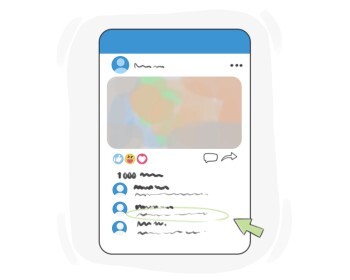
to express one's opinion about something or someone
comenta
Spectatorii au fost încurajați să urmărească videoclipul și să comenteze părțile lor preferate sau să își împărtășească gândurile.
to express one's opinion through a statement
remarca, comenta
După ce a gustat preparatul, nu a putut să nu comenteze excepționalele abilități culinare ale bucătarului.

to make a written or spoken remark
observa, remarca
În timpul ședinței, ea a observat că alocarea bugetară propusă părea disproporționată.
to express one's opinion
și exprimă părerea, și expună punctul de vedere
În timpul dezbaterii, fiecare participant a avut ocazia să își exprime opinia cu privire la schimbările de politică propuse.

to hold the same opinion as another person about something
a fi de acord, a concorda
Ea a fost de acord cu comentariul profesorului despre eseu.

to hold or give a different opinion about something
a nu fi de acord, a avea o opinie diferită
El nu a fost de acord cu recenzia criticului despre piesă.
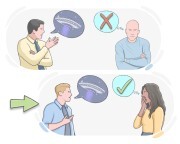
to believe something to be true or valid
accepta, admite
Ca gânditor critic, ea este dispusă să accepte idei noi numai după o examinare și evaluare atentă.

to agree to something, such as a suggestion, request, etc.
a fi de acord, a consimți
În timpul ședinței, membrii comitetului au fost rugați să consimtă la modificările propuse în planul proiectului.
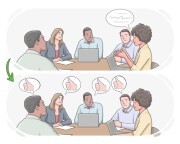
to express agreement with a particular opinion, statement, action, etc.
a fi de acord, a concorda
Este liniștitor atunci când experți din diverse domenii sunt de acord asupra unor aspecte atât de critice, oferind o recomandare unitară.
to agree to something such as a request, proposal, demand, etc.
a accepta, a consimți
Guvernul a acceptat cererea publicului pentru o îngrijire medicală mai bună prin implementarea unor reforme cuprinzătoare.

to officially agree to a plan, proposal, etc.
aproba, valida
Consiliul de administrație a aprobat noul buget pentru anul fiscal viitor.

to formally approve a decision, action, etc., typically through an official process or legal means
ratifica, aproba oficial
Membrii parlamentului s-au adunat pentru a ratifica noua constituție propusă pentru țară.
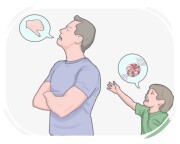
to refuse to accept a proposal, idea, person, etc.
respinge, refuza
El a respins primul draft al raportului, cerând revizii majore.

to say or show one's unwillingness to do something that someone has asked
refuza, respinge
Elevul a trebuit să refuze invitația de a se alătura clubului extracurricular din cauza constrângerilor de timp.
