
Cambridge IELTS 17 - Academic - Test 3 - Lecture - Passage 1
Apprenez le vocabulaire du Cambridge IELTS 17 Academic, Test 3, Reading Passage 1, et révisez les mots et expressions utiles de ce texte de lecture.
Réviser
Flashcards
formes
Orthographe
Quiz
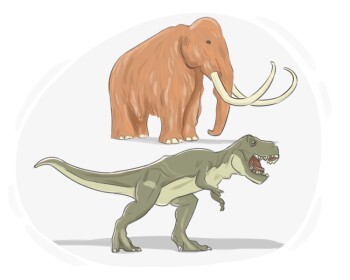
(of an animal, plant, etc.) not having any living members, either due to natural causes, environmental changes, or human activity

disparu, éteint
Les scientifiques travaillent sans relâche pour empêcher que plus d'espèces ne deviennent éteintes en étudiant et en conservant les animaux en danger et leurs habitats.
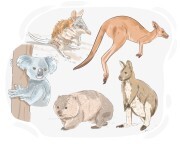
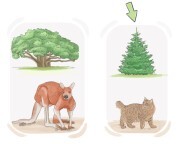
any of the order of mammals that carry their young babies in a pouch, such as kangaroos, found either in Australia or Americas
marsupial

to share similarities in appearance, characteristics, or qualities
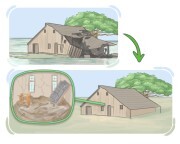
appearing to have a certain quality, yet lacking it in reality
superficiel
Son charme superficiel masquait ses véritables intentions.
serving to identify or characterize
distinctif, caractéristique
La qualité distinctive de son leadership était sa capacité à inspirer les autres avec sa vision.
an area of land, particularly in reference to its physical or natural features
terrain
Les stratèges militaires ont étudié le terrain méticuleusement pour déterminer la meilleure approche pour faire avancer leurs troupes à travers le champ de bataille.
particularly suitable or ideal for a specific purpose
optimal, idéal
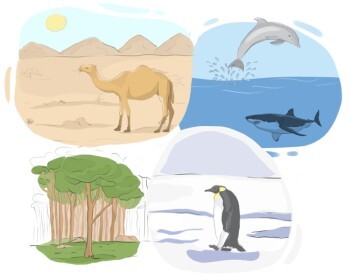
the natural environment in which a particular animal, plant, or other organism normally lives or grows
habitat

in a manner that is only available to a particular person, group, or thing
exclusivement
Cette édition spéciale du livre est exclusivement disponible pour les membres du club des collectionneurs.
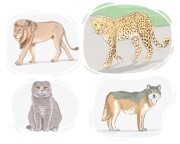
(of plants or animals) feeding on the meat or flesh of other animals
carnivore
La dionée attrape-mouche est une plante carnivore qui piège et digère les insectes pour en tirer des nutriments.
having a robust body-build characterized by well-developed muscles, bones, and connective tissue derived from the embryonic mesoderm
musclé, musculeux
Les embryologistes étudient comment les structures musculaires se forment à partir du mésoderme.
to expand, swell, or stretch beyond the normal or usual size
se distendre
Le ballon se distendait alors qu'il se remplissait d'air pendant la fête d'anniversaire.
the process by which organisms evolve traits that improve their chances of survival and reproduction in a particular environment
adaptation, acclimatation
to counteract a force, change, or undesirable effect by producing an opposing effect
compenser, contrebalancer
present in very limited amounts or number and not commonly found or encountered
rare, peu abondant
L'espèce d'oiseau en voie de disparition devient de plus en plus rare en raison de la perte d'habitat.

to make someone extremely tired
épuiser, exténuer
the act of chasing or following someone or something in order to catch them
poursuite, chasse
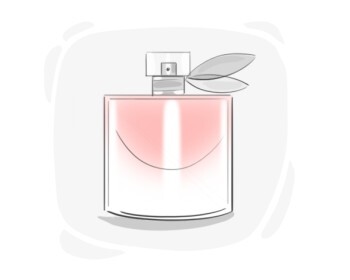
a distinctive smell, especially a pleasant one
parfum, odeur
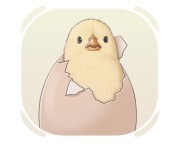
to become visible after coming out of somewhere
apparaître, sortir, émerger
to move back or away from something, especially to avoid danger or an unpleasant situation
reculer
used to show that something happened or is true, even though there was a difficulty or obstacle that might have prevented it
malgré, en dépit de
a person's or animal's natural or inherent characteristics, influencing their behavior, mood, and emotional responses
tempérament
Le tempérament amical du chien en a fait un favori parmi les enfants.
(of animals or organisms) primarily active during the night
nocturne
Les prédateurs nocturnes comme les hiboux et les renards comptent sur leurs sens aiguisés pour localiser leurs proies sous le couvert de la nuit.
to see or observe with the eyes
apercevoir, voir

to store information in a way that can be used in the future
enregistrer
to lie or rest in a pleasant warmth, such as sunlight
se prélasser, se chauffer
Le chat adore se prélasser sur le rebord de la fenêtre, profitant du soleil de l'après-midi.
lasting longer than usual or anticipated
prolongé, étendu
Il a profité d'un séjour prolongé chez son ami pendant les vacances, ce qui leur a permis de se rattraper à fond.
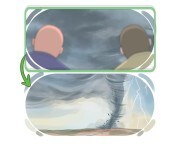
something that serves to show, suggest, or point to a fact, condition, or situation
indication, indice
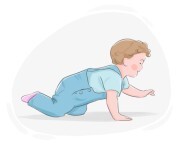
to move slowly with the body near the ground or on the hands and knees
marcher à quatre pattes, ramper
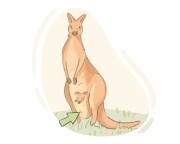
a pocket-like structure that female marsupials, such as kangaroos, use to carry their young with them
poche
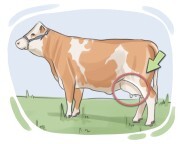
existing or spreading among many people, groups, or communities through communication, influence, or awareness
répandu, généralisé
L'utilisation répandue des smartphones a changé la façon dont les gens communiquent.
the main part of a continent or country that is connected to a larger landmass, excluding surrounding islands or territories
continent, terre ferme
De nombreux touristes visitent le continent pour faire du shopping et du tourisme.

the preserved remains, impression, or trace of an organism from a past geological age
fossile
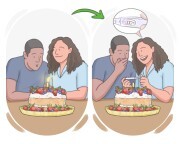
to happen at the same time or at nearly the same time as something else
coïncider
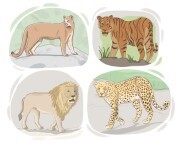
an animal that hunts, kills, and eats other animals
prédateur
to feed a baby or young animal by drawing milk from the breast or teat
allaiter, téter
Elle allaite son bébé dans la pouponnière.
surprising or exciting in appearance or effect
dramatique
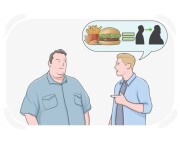
to assign the cause or ownership of something to a specific person, thing, or factor
attribuer à, imputer à
Pouvons-nous attribuer le retard aux conditions météorologiques récentes ?
continuing with the same level of intensity without becoming weaker or less forceful
implacable, incessant
Sa poursuite implacable du succès l'a poussé à travailler de longues heures chaque jour.
a hunter who kills designated wild animals in order to collect a government reward
chasseur de primes, chasseur de prime
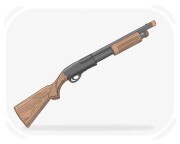
a long gun that can shoot multiple small bullets at one time, suitable for hunting animals such as birds
fusil de chasse, carabine à canon scié
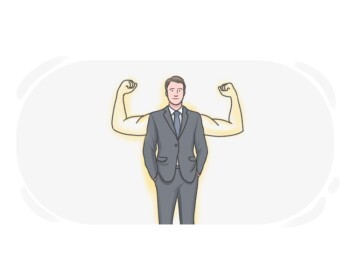
having or displaying a strong will to achieve a goal despite the challenges or obstacles
obstiné
Il est resté déterminé à apprendre une nouvelle langue, s'entraînant tous les jours.

a series of organized activities that are intended to achieve a particular goal
campagne
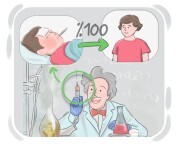
used to say that there is no doubt something is true or is the case
indubitablement, sans aucun doute
La nouvelle politique améliorera sans aucun doute l'efficacité du flux de travail.
to actively influence or impact a situation, event, or outcome
jouer, influencer

to be one of the causes or reasons that helps something happen
contribuer à

happening at the end of a process or a particular period of time
final
a person who moves to a new area to live and establish a community
colon
Les colons ont défriché la terre pour cultiver des récoltes.
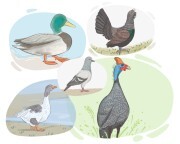
an animal that is hunted and killed for food by another animal
proie
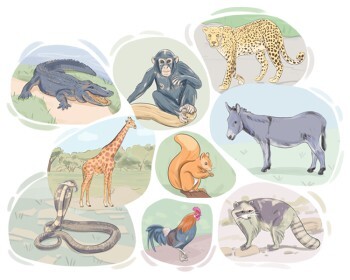
a group that animals, plants, etc. of the same type which are capable of producing healthy offspring with each other are divided into
espèces
L'éléphant d'Afrique et l'éléphant d'Asie sont deux espèces différentes d'éléphant.
a contagious viral disease affecting animals, especially dogs, causing respiratory and gastrointestinal symptoms
la maladie de Carré, la distemper
La vaccination contre la maladie de Carré est une partie routinière de la possession responsable d'un animal de compagnie.
to cause illness or medical conditions in an individual
affecter, influencer

to make animals produce offspring in a way that is suitable for human beings
accoupler
the state of being confined, imprisoned, or held against one's will
captivité, détention
the end or failure of something, such as an organization, system, or life
chute, fin, disparition
La disparition soudaine du théâtre local a choqué la communauté.
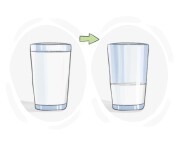
to become or make something smaller, weaker, less intense, or less in amount
diminuer
the act of completely destroying or eliminating something, especially a population or group
extermination, anéantissement
La guerre a conduit à l'extermination de villages et de communautés entières.
the influence or control over someone or something
influence, emprise
Les facteurs économiques ont souvent une influence significative sur le comportement des consommateurs.
important, remarkable, or deserving particular attention
notable, ramarquable
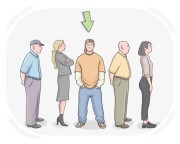
a person or thing that does not follow a general rule or is excluded from a class or group
exception
to a degree or extent that is enough
suffisamment, assez
Les preuves étaient suffisamment convaincantes pour obtenir un verdict de culpabilité.
a line determining the limits of an area
bord, lisière
a formal proposal presented for discussion and voting in a deliberative assembly
motion, proposition
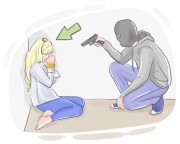
confined or held prisoner, unable to escape
captif, en captivité
L'animal captif allait et venait dans sa cage, aspirant à la liberté.
an organized journey undertaken for a particular purpose, especially exploration, research, or military action
expédition
settling an issue authoritatively and leaving no room for further doubt or debate
définitif
Les tests de diagnostic ont révélé des preuves médicales définitives qui ont confirmé la présence de cellules cancéreuses dans son corps.
explicitly stated or presented as fact
déclaré, déclaré(e)
from a specific point forward in time, degree, or progress
désormais, à partir de maintenant
À partir de maintenant en avant, les réunions se tiendront chaque semaine.
something suggested or put forward for consideration, such as an idea, plan, or assumption
projet
to give a person or animal a place to live or settle in
héberger, loger
not practical or feasible
impraticable, peu pratique
Porter des talons hauts dans la neige est assez peu pratique.
a formal rule or collection of rules enacted by a governing authority
législation
to make or accept a law by voting or by decree
faire passer, adopter
to find out how old something is by measuring the amount of a certain type of carbon it has left
dater au carbone, effectuer une datation au carbone
L'équipe a daté au carbone l'outil en bois et a découvert qu'il avait plus de 3 000 ans.
