pattern

Buku Insight - Dasar - Selamat datang E

Di sini, Anda akan menemukan kosakata dari Welcome E di buku pelajaran Insight Elementary, seperti "musim", "Rabu", "waktu", dll.

Tinjauan

Kartu flash

Ejaan

Kuis

Mulai belajar
Insight - Elementary
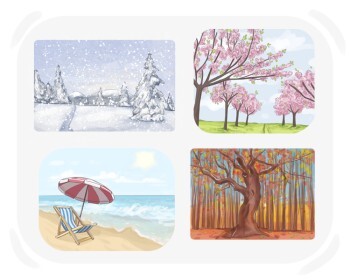
season
season
[Kata benda]

a period of time that a year is divided into, such as winter and summer, with each having three months

musim
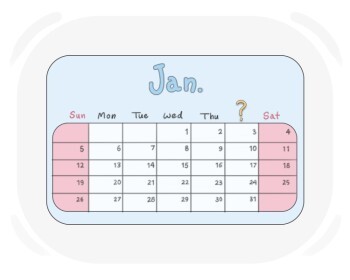
musim

Ex: The season of fall is a beautiful time to take nature walks and see colorful leaves. 

Musim gugur adalah waktu yang indah untuk berjalan-jalan di alam dan melihat daun-daun yang berwarna-warni.

Tutup
Masuk
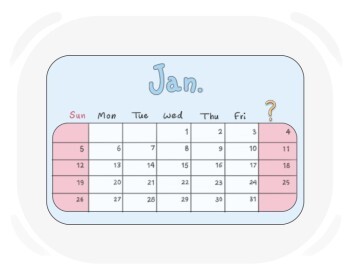
Wednesday
Wednesday
[Kata benda]

‌the day that comes after Tuesday

Rabu

Rabu

Ex: I make sure to get a good night's sleep on Wednesdays to recharge for the rest of the week. 

Saya memastikan untuk tidur nyenyak pada Rabu untuk mengisi ulang energi untuk sisa minggu.

Tutup
Masuk
Friday
Friday
[Kata benda]

‌the day that comes after Thursday

Jumat
Jumat

Ex: My friend's birthday is on a Friday this year. 

Ulang tahun teman saya jatuh pada hari Jumat tahun ini.

Tutup
Masuk
Sunday
Sunday
[Kata benda]

‌the day that comes after Saturday

Minggu
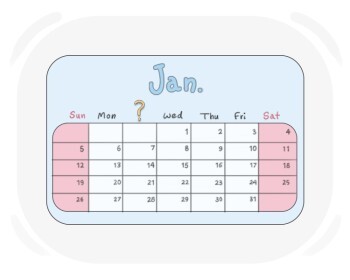
Minggu

Ex: Sunday is a day to relax and recharge for the upcoming week. 

Minggu adalah hari untuk bersantai dan mengisi ulang energi untuk minggu depan.

Tutup
Masuk
Tuesday
Tuesday
[Kata benda]

‌the day that comes after Monday

Selasa

Selasa

Ex: I use Tuesdays to work on my personal projects and hobbies. 

Saya menggunakan hari Selasa untuk mengerjakan proyek pribadi dan hobi saya.

Tutup
Masuk
Saturday
Saturday
[Kata benda]

‌the day that comes after Friday

Sabtu, hari Sabtu

Sabtu, hari Sabtu

Ex: I look forward to Saturday evenings because I meet up with friends for dinner. 

Saya menantikan malam Sabtu karena saya bertemu dengan teman-teman untuk makan malam.

Tutup
Masuk
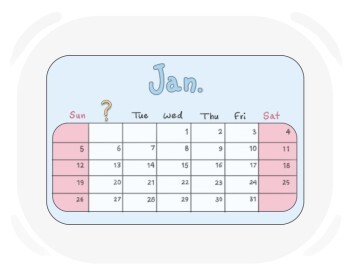
Monday
Monday
[Kata benda]

‌the day that comes after Sunday

Senin, hari Senin
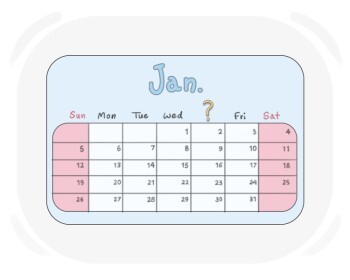
Senin, hari Senin

Ex: I usually have a light dinner on Mondays because I'm still feeling full from the weekend. 

Saya biasanya makan malam ringan pada hari Senin karena masih merasa kenyang dari akhir pekan.

Tutup
Masuk
Thursday
Thursday
[Kata benda]

‌the day that comes after Wednesday

Kamis
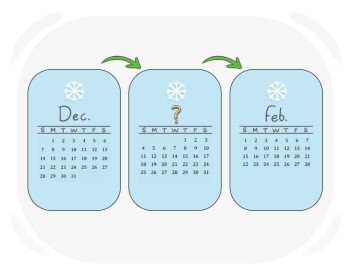
Kamis

Ex: Thursday is almost the weekend. 

Kamis hampir akhir pekan.

Tutup
Masuk
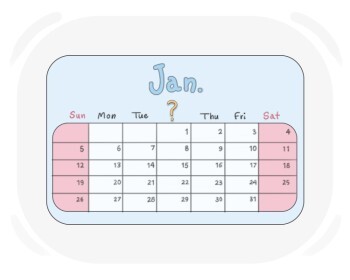
January
January
[Kata benda]

the first month of the year, after December and before February

Januari
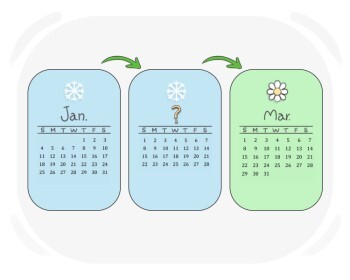
Januari

Ex: The winter weather in January brings frosty mornings and cozy evenings by the fireplace, perfect for hot cocoa and warm blankets. 

Cuaca musim dingin di Januari membawa pagi yang dingin dan malam yang nyaman di dekat perapian, sempurna untuk cokelat panas dan selimut hangat.

Tutup
Masuk
February
February
[Kata benda]

the second month of the year, after January and before March

Februari
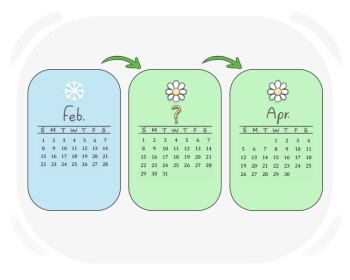
Februari

Ex: In some countries, February is known as the month of love and romance. 

Di beberapa negara, Februari dikenal sebagai bulan cinta dan romansa.

Tutup
Masuk
March
March
[Kata benda]

the third month of the year, after February and before April

Maret
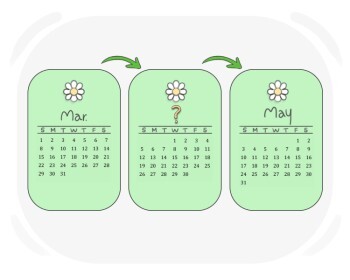
Maret

Ex: St. Patrick's Day is celebrated in March. 

Hari St. Patrick dirayakan pada bulan Maret.

Tutup
Masuk
April
April
[Kata benda]

the fourth month of the year, after March and before May

April
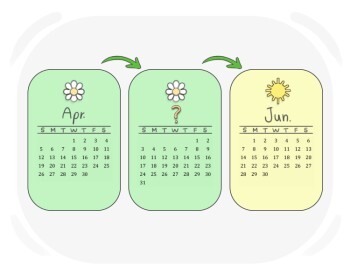
April

Ex: April showers bring May flowers, a saying that reflects the unpredictable weather patterns of this transitional month. 

Hujan April membawa bunga Mei, sebuah pepatah yang mencerminkan pola cuaca yang tidak terduga dari bulan transisi ini.

Tutup
Masuk
May
May
[Kata benda]

the fifth month of the year, after April and before June

Mei
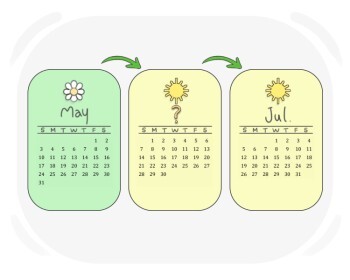
Mei

Ex: Mother's Day is celebrated in May to honor mothers. 

Hari Ibu dirayakan pada bulan Mei untuk menghormati ibu.

Tutup
Masuk
June
June
[Kata benda]

the sixth month of the year, after May and before July

Juni
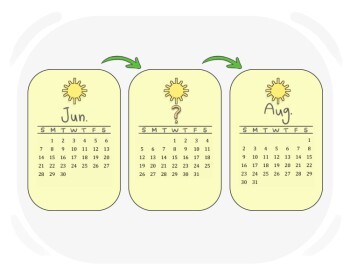
Juni

Ex: June marks the official start of summer in the Northern Hemisphere, bringing longer days, warmer temperatures, and outdoor activities like beach outings and barbecues. 

Juni menandai awal resmi musim panas di Belahan Bumi Utara, membawa hari yang lebih panjang, suhu yang lebih hangat, dan aktivitas luar ruangan seperti piknik di pantai dan barbekyu.

Tutup
Masuk
July
July
[Kata benda]

the seventh month of the year, after June and before August

Juli
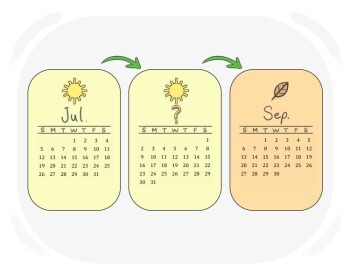
Juli

Ex: July is a peak month for summer vacations, with families traveling to beaches, resorts, national parks, and other destinations for relaxation and adventure. 

Juli adalah bulan puncak untuk liburan musim panas, dengan keluarga bepergian ke pantai, resor, taman nasional, dan destinasi lainnya untuk bersantai dan petualangan.

Tutup
Masuk
August
August
[Kata benda]

the eighth month of the year, after July and before September

Agustus
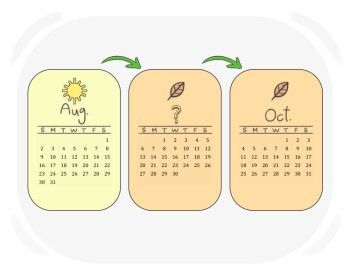
Agustus

Ex: August often brings the peak of summer heat, with temperatures soaring and people seeking relief at beaches, pools, and air-conditioned spaces. 

Agustus sering membawa puncak panas musim panas, dengan suhu yang melonjak dan orang-orang mencari kenyamanan di pantai, kolam renang, dan ruang ber-AC.

Tutup
Masuk
September
September
[Kata benda]

the ninth month of the year, after August and before October

September
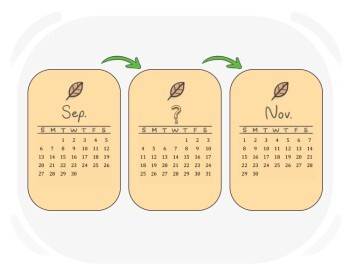
September

Ex: Many students return to school in September, and parents and teachers prepare for the academic year ahead, organizing classrooms, purchasing textbooks, and planning curriculum. 

Banyak siswa kembali ke sekolah pada bulan September, dan orang tua serta guru mempersiapkan tahun ajaran yang akan datang, mengatur ruang kelas, membeli buku pelajaran, dan merencanakan kurikulum.

Tutup
Masuk
October
October
[Kata benda]

the tenth month of the year, after September and before November

Oktober
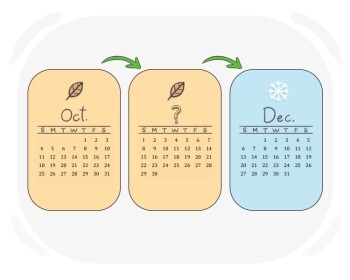
Oktober

Ex: October is known for its vibrant autumn foliage, as trees across many regions turn shades of red, orange, and yellow, creating picturesque landscapes. 

Oktober dikenal karena dedaunan musim gugurnya yang hidup, saat pohon-pohon di banyak wilayah berubah menjadi warna merah, oranye, dan kuning, menciptakan pemandangan yang indah.

Tutup
Masuk
November
November
[Kata benda]

the 11th month of the year, after October and before December

November
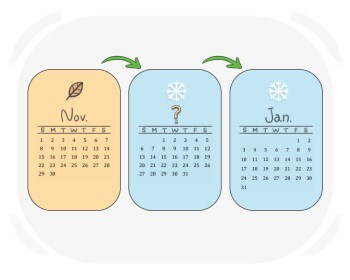
November

Ex: As temperatures drop, November marks the beginning of the holiday season, with many people starting to decorate their homes and prepare for festive celebrations. 

Saat suhu turun, November menandai awal musim liburan, dengan banyak orang mulai menghias rumah mereka dan bersiap untuk perayaan.

Tutup
Masuk
December
December
[Kata benda]

the 12th and last month of the year, after November and before January

Desember
Desember

Ex: Some people set resolutions for the new year in December, hoping to make positive changes. 

Beberapa orang menetapkan resolusi untuk tahun baru pada bulan Desember, berharap dapat membuat perubahan positif.

Tutup
Masuk
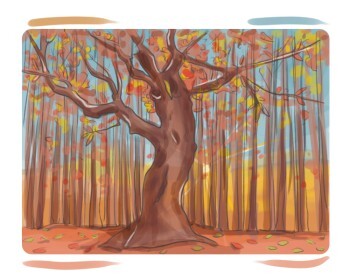
autumn
autumn
[Kata benda]

the season after summer and before winter when the leaves change color and fall from the trees

musim gugur, musim rontok
musim gugur, musim rontok

Ex: The trees turn red and gold in autumn. 
Tutup
Masuk
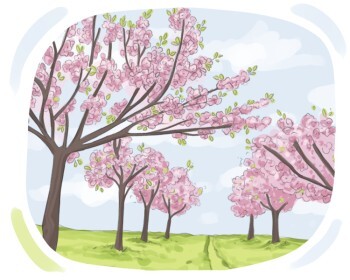
spring
spring
[Kata benda]

the season that comes after winter, when in most countries the trees and flowers begin to grow again

musim semi, semi

musim semi, semi

Ex: The birds start building their nests in the spring. 

Burung-burung mulai membangun sarang mereka di musim semi.

Tutup
Masuk
summer
summer
[Kata benda]

the season that comes after spring and in most countries summer is the warmest season

musim panas, musim kemarau
musim panas, musim kemarau

Ex: I love going for bike rides and feeling the warm summer breeze on my face. 

Saya suka bersepeda dan merasakan angin sepoi-sepoi musim panas yang hangat di wajah saya.

Tutup
Masuk
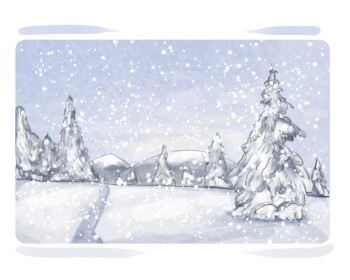
winter
winter
[Kata benda]

the season that comes after fall and in most countries winter is the coldest season

musim dingin
musim dingin

Ex: Winter brings a peaceful silence, especially after a fresh snowfall. 

Musim dingin membawa keheningan yang damai, terutama setelah turun salju segar.

Tutup
Masuk
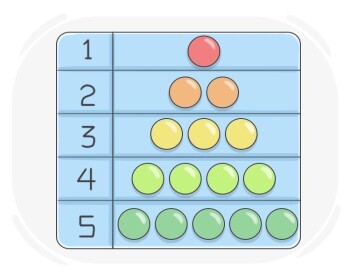
number
number
[Kata benda]

a word, sign, or symbol that represents a specific quantity or amount

nomor, angka

nomor, angka

Ex: In mathematics, understanding how to manipulate numbers is crucial for solving problems. 

Dalam matematika, memahami cara memanipulasi angka sangat penting untuk memecahkan masalah.

Tutup
Masuk
hundred
hundred
[Angka]

the number 100

seratus

seratus

Ex: There are a hundred different species of birds that can be spotted in this national park. 

Ada seratus spesies burung berbeda yang dapat dilihat di taman nasional ini.

Tutup
Masuk
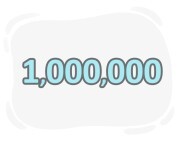
million
million
[Angka]

the number 1 followed by 6 zeros

juta

juta

Ex: She discovered a rare stamp in her collection that was valued at over a million dollars. 

Dia menemukan perangko langka dalam koleksinya yang bernilai lebih dari satu juta dolar.
Tutup
Masuk
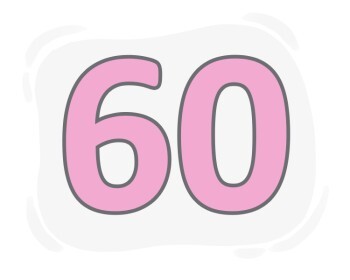
sixty
sixty
[Angka]

the number 60

enam puluh

enam puluh

Ex: He decided to retire at the age of sixty and explore new hobbies during his golden years. 

Dia memutuskan untuk pensiun pada usia enam puluh tahun dan menjelajahi hobi baru selama tahun-tahun emasnya.

Tutup
Masuk
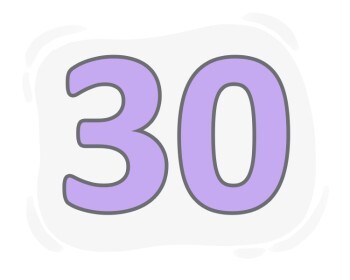
thirty
thirty
[Angka]

the number 30

tiga puluh

tiga puluh

Ex: He turned thirty last week and threw a big party. 

Dia berulang tahun tiga puluh minggu lalu dan mengadakan pesta besar.

Tutup
Masuk
ten
ten
[Angka]

the number 10

sepuluh

sepuluh

Ex: There are ten cookies in the jar. 

Ada sepuluh kue dalam toples.

Tutup
Masuk
twenty
twenty
[Angka]

the number 20

dua puluh

dua puluh

Ex: She celebrated her twentieth birthday with a grand party attended by family and friends. 

Dia merayakan ulang tahunnya yang kedua puluh dengan pesta besar yang dihadiri oleh keluarga dan teman-teman.

Tutup
Masuk
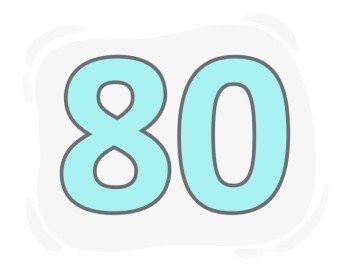
eighty
eighty
[Angka]

the number 80

delapan puluh

delapan puluh

Ex: The old book was published eighty years ago and has become a classic in literature. 

Buku tua itu diterbitkan delapan puluh tahun yang lalu dan telah menjadi klasik dalam sastra.

Tutup
Masuk
ninety
ninety
[Angka]

the number 90

sembilan puluh

sembilan puluh

Ex: He plans to run a marathon at the age of ninety, showcasing his dedication to fitness. 

Dia berencana untuk lari maraton pada usia sembilan puluh tahun, menunjukkan dedikasinya terhadap kebugaran.

Tutup
Masuk
forty
forty
[Angka]

the number 40

empat puluh

empat puluh

Ex: The package weighs exactly forty kilograms. 

Paket ini beratnya tepat empat puluh kilogram.

Tutup
Masuk
fifty
fifty
[Angka]

the number 50

lima puluh

lima puluh

Ex: There were fifty participants in the marathon, making it a small but competitive event. 

Ada lima puluh peserta dalam maraton, menjadikannya acara yang kecil namun kompetitif.

Tutup
Masuk
thousand
thousand
[Angka]

the number 1 followed by 3 zeros

ribu, seribu

ribu, seribu

Ex: She was surprised to find a thousand colorful balloons filling the room for her birthday celebration. 

Dia terkejut menemukan seribu balon warna-warni mengisi ruangan untuk perayaan ulang tahunnya.
Tutup
Masuk
billion
billion
[Angka]

the number 1 followed by 9 zeros

miliar, satu miliar

miliar, satu miliar

Ex: The project is expected to cost several billion dollars to complete. 

Proyek ini diperkirakan akan menelan biaya beberapa miliar dolar untuk diselesaikan.

Tutup
Masuk
ordinal
ordinal
[Kata benda]

a number that indicates the position of something in a sequence, such as third, second, etc.

ordinal, bilangan ordinal

ordinal, bilangan ordinal

Ex: Historians use ordinals to chronologically arrange events in history textbooks. 

Sejarawan menggunakan angka ordinal untuk mengatur peristiwa secara kronologis dalam buku teks sejarah.

Tutup
Masuk
date
date
[Kata benda]

a time that is arranged to meet a person with whom one is in a relationship or is likely to be in the future

kencan, janji temu

kencan, janji temu

Ex: He asked her out on a date to the local art museum. 

Dia mengajaknya kencan ke museum seni lokal.

Tutup
Masuk
first
first
[Adjektiva]

(of a person) coming or acting before any other person

pertama

pertama

Ex: The first student to submit the assignment gets extra credit. 

Siswa pertama yang mengumpulkan tugas mendapatkan kredit tambahan.

Tutup
Masuk
second
second
[Adjektiva]

being number two in order or time

kedua, sekunder

kedua, sekunder

Ex: He was the second person to arrive at the meeting. 

Dia adalah orang kedua yang tiba di rapat.

Tutup
Masuk
third
third
[Adjektiva]

coming after the second in order or position

ketiga, tiga

ketiga, tiga

Ex: The third chapter of this book introduces a new character. 

Bab ketiga dari buku ini memperkenalkan karakter baru.

Tutup
Masuk
fourth
fourth
[Adjektiva]

coming or happening just after the third person or thing

keempat, posisi keempat

keempat, posisi keempat

Ex: In the parade, the fourth float showcased a vibrant display of colors. 

Dalam parade, keempat float menampilkan tampilan warna yang hidup.

Tutup
Masuk
fifth
fifth
[Adjektiva]

coming or happening just after the fourth person or thing

kelima

kelima

Ex: In the relay race, Sarah anchored the team during the fifth leg. 

Dalam lari estafet, Sarah menjadi andalan tim di kelima.

Tutup
Masuk
sixth
sixth
[Adjektiva]

coming or happening right after the fifth person or thing

keenam

keenam

Ex: The museum tour highlighted the artifacts from the sixth century. 

Tur museum menyoroti artefak dari abad keenam.

Tutup
Masuk
seventh
seventh
[Adjektiva]

coming or happening just after the sixth person or thing

ketujuh

ketujuh

Ex: On their seventh wedding anniversary, Maria and David celebrated with a romantic dinner. 

Pada ulang tahun pernikahan mereka yang ketujuh, Maria dan David merayakannya dengan makan malam romantis.

Tutup
Masuk
eighth
eighth
[Adjektiva]

coming or happening right after the seventh person or thing

kedelapan, kedelapan

kedelapan, kedelapan

Ex: In the school orchestra, Emma plays the violin and holds the position of the eighth chair. 

Di orkestra sekolah, Emma memainkan biola dan memegang posisi kursi kedelapan.

Tutup
Masuk
ninth
ninth
[Adjektiva]

coming or happening just after the eighth person or thing

kesembilan

kesembilan

Ex: As a tradition, the ninth-grade students organize a memorable farewell party for the graduating seniors. 

Sebagai tradisi, siswa kelas sembilan menyelenggarakan pesta perpisahan yang tak terlupakan untuk para senior yang lulus.

Tutup
Masuk
tenth
tenth
[Adjektiva]

coming or happening right after the ninth person or thing

kesepuluh, kesepuluh

kesepuluh, kesepuluh

Ex: The museum exhibit showcased rare artifacts, including a magnificent sculpture dating back to the tenth century. 

Pameran museum menampilkan artefak langka, termasuk patung megah yang berasal dari abad kesepuluh.

Tutup
Masuk
eleventh
eleventh
[Penentu]

coming or happening right after the tenth person or thing

kesebelas

kesebelas

Ex: He finished in eleventh place in the race, just missing out on a top ten finish. 

Dia finis di posisi kesebelas dalam balapan, hampir masuk sepuluh besar.

Tutup
Masuk
twelfth
twelfth
[Adjektiva]

coming or happening right after the eleventh person or thing

kedua belas, orang atau benda kedua belas

kedua belas, orang atau benda kedua belas

Ex: The twelfth chapter of the novel delves into the protagonist's inner conflicts and struggles. 

Bab kedua belas dari novel menyelami konflik dan perjuangan batin protagonis.

Tutup
Masuk
thirteenth
thirteenth
[Penentu]

coming or happening right after the twelfth person or thing

ketiga belas, yang ketiga belas

ketiga belas, yang ketiga belas

Ex: The thirteenth chapter of the textbook covers advanced topics in physics. 

Bab ketiga belas dari buku teks mencakup topik-topik lanjutan dalam fisika.

Tutup
Masuk
fourteenth
fourteenth
[Penentu]

coming or happening right after the thirteenth person or thing

keempat belas, yang keempat belas

keempat belas, yang keempat belas

Ex: The fourteenth chapter of the novel reveals the main character's hidden secrets. 

Bab keempat belas novel mengungkap rahasia tersembunyi karakter utama.

Tutup
Masuk
fifteenth
fifteenth
[Penentu]

coming or happening right after the fourteenth person or thing

kelima belas, yang kelima belas

kelima belas, yang kelima belas

Ex: The fifteenth chapter of the book introduces a new character who plays a crucial role in the story. 

Bab kelima belas dari buku ini memperkenalkan karakter baru yang memainkan peran penting dalam cerita.

Tutup
Masuk
sixteenth
sixteenth
[Penentu]

coming or happening right after the fifteenth person or thing

enam belas, yang keenam belas

enam belas, yang keenam belas

Ex: He finished in sixteenth place in the race, just missing the top fifteen. 

Dia finis di posisi enam belas dalam perlombaan, hanya terlewat sedikit dari lima belas besar.

Tutup
Masuk
seventeenth
seventeenth
[Penentu]

coming or happening right after the sixteenth person or thing

ketujuh belas, yang ketujuh belas

ketujuh belas, yang ketujuh belas

Ex: The seventeenth chapter of the novel reveals the truth behind the main character's motivations. 

Bab tujuh belas dari novel mengungkapkan kebenaran di balik motivasi karakter utama.

Tutup
Masuk
eighteenth
eighteenth
[Penentu]

coming or happening right after the seventeenth person or thing

kedelapan belas, yang kedelapan belas

kedelapan belas, yang kedelapan belas

Ex: The eighteenth chapter of the textbook covers important theories in psychology. 

Bab kedelapan belas dari buku teks mencakup teori-teori penting dalam psikologi.

Tutup
Masuk
nineteenth
nineteenth
[Penentu]

coming or happening right after the eighteenth person or thing

kesembilan belas, yang kesembilan belas

kesembilan belas, yang kesembilan belas

Ex: The nineteenth century was a period of great social and technological change around the world. 

Abad kesembilan belas adalah periode perubahan sosial dan teknologi yang besar di seluruh dunia.

Tutup
Masuk
twentieth
twentieth
[Adjektiva]

coming or happening right after the nineteenth person or thing

kedua puluh

kedua puluh

Ex: The twentieth chapter of the textbook discusses the impact of climate change on global ecosystems. 

Bab kedua puluh dari buku teks membahas dampak perubahan iklim terhadap ekosistem global.
Tutup
Masuk
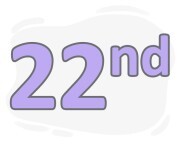
twenty-first
twenty-first
[Adjektiva]

coming or happening right after the twentieth person or thing

kedua puluh satu

kedua puluh satu

Ex: He ranked twenty-first in the competition, which was an improvement from last year’s performance. 

Dia berada di peringkat dua puluh satu dalam kompetisi, yang merupakan peningkatan dari performa tahun lalu.
Tutup
Masuk
twenty-second
twenty-second
[Adjektiva]

coming or happening right after the twenty-first person or thing

kedua puluh dua

kedua puluh dua

Ex: The twenty-second chapter of the book delves into the themes of friendship and loyalty. 

Bab kedua puluh dua dari buku ini menggali tema persahabatan dan kesetiaan.

Tutup
Masuk
twenty-third
twenty-third
[Adjektiva]

coming or happening right after the twenty-second person or thing

kedua puluh tiga, ke-23

kedua puluh tiga, ke-23

Ex: The twenty-third chapter of the series reveals important backstory about the main character. 

Bab dua puluh tiga dari seri ini mengungkapkan latar belakang penting tentang karakter utama.

Tutup
Masuk
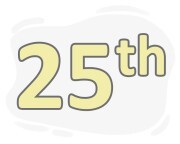
twenty-fourth
twenty-fourth
[Adjektiva]

coming or happening right after the twenty-third person or thing

kedua puluh empat, ke-24

kedua puluh empat, ke-24

Ex: In the twenty-fourth chapter of the novel, the protagonist finally confronts her greatest fears. 

Dalam bab dua puluh empat novel, protagonis akhirnya menghadapi ketakutan terbesarnya.
Tutup
Masuk
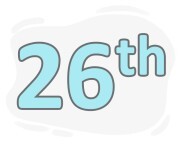
twenty-fifth
twenty-fifth
[Adjektiva]

coming or happening right after the twenty-fourth person or thing

kedua puluh lima, ke-25

kedua puluh lima, ke-25

Ex: The twenty-fifth chapter of the textbook covers advanced concepts in physics that are crucial for the exam. 

Bab kedua puluh lima dari buku teks mencakup konsep-konsep lanjutan dalam fisika yang sangat penting untuk ujian.
Tutup
Masuk
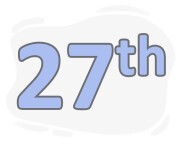
twenty-sixth
twenty-sixth
[Adjektiva]

coming or happening right after the twenty-fifth person or thing

kedua puluh enam

kedua puluh enam

Ex: In the twenty-sixth chapter of the book, the main character embarks on a new adventure that changes her life. 

Dalam bab dua puluh enam buku ini, karakter utama memulai petualangan baru yang mengubah hidupnya.
Tutup
Masuk
twenty-seventh
twenty-seventh
[Adjektiva]

coming or happening right after the twenty-sixth person or thing

kedua puluh ketujuh, dua puluh tujuh

kedua puluh ketujuh, dua puluh tujuh

Ex: In the twenty-seventh chapter of the novel, the plot takes an unexpected twist that keeps readers on edge. 

Di bab dua puluh tujuh novel, alur cerita mengambil belokan tak terduga yang membuat pembaca tegang.

Tutup
Masuk
twenty-eighth
twenty-eighth
[Adjektiva]

coming or happening right after the twenty-seventh person or thing

kedua puluh delapan, dua puluh delapan

kedua puluh delapan, dua puluh delapan

Ex: In the twenty-eighth chapter of the book, the protagonist faces a difficult decision that will change her future. 

Dalam bab kedua puluh delapan buku ini, protagonis menghadapi keputusan sulit yang akan mengubah masa depannya.

Tutup
Masuk
twenty-ninth
twenty-ninth
[Adjektiva]

coming or happening right after the twenty-eighth person or thing

kedua puluh sembilan, yang kedua puluh sembilan

kedua puluh sembilan, yang kedua puluh sembilan

Ex: In the twenty-ninth chapter of the series, the story takes an unexpected turn that surprises the readers. 

Dalam bab dua puluh sembilan dari seri ini, cerita mengambil alih yang tidak terduga yang mengejutkan pembaca.

Tutup
Masuk
thirtieth
thirtieth
[Angka]

coming or happening right after the twenty-ninth person or thing

ketiga puluh, ke-30

ketiga puluh, ke-30

Ex: In the thirtieth chapter of the novel, the main character uncovers a long-hidden secret that changes everything. 

Dalam bab ketiga puluh novel, karakter utama mengungkap rahasia yang lama tersembunyi yang mengubah segalanya.
Tutup
Masuk
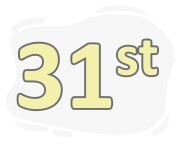
thirty-first
thirty-first
[Adjektiva]

coming or happening right after the thirtieth person or thing

ketiga puluh satu, tiga puluh satu

ketiga puluh satu, tiga puluh satu

Ex: In the thirty-first chapter of the book, the protagonist faces her greatest challenge yet. 

Dalam bab ketiga puluh satu buku, protagonis menghadapi tantangan terbesarnya sejauh ini.
Tutup
Masuk
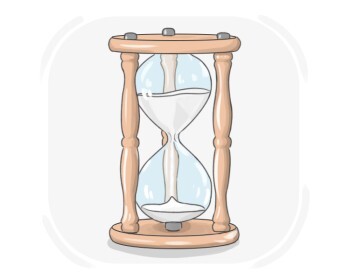
time
time
[Kata benda]

the quantity that is measured in seconds, minutes, hours, etc. using a device like clock

waktu
waktu

Ex: It's important to manage your time wisely. 

Penting untuk mengelola waktu Anda dengan bijak.

Tutup
Masuk
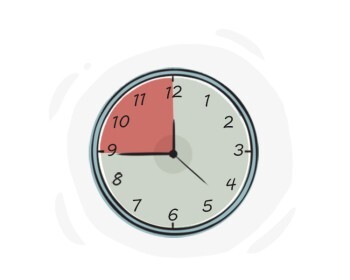
quarter
quarter
[Kata benda]

a measure of time that equals 15 minutes

seperempat, seperempat jam

seperempat, seperempat jam

Ex: The bus will leave in a quarter, so we should hurry. 

Bus akan berangkat dalam seperempat jam, jadi kita harus cepat.

Tutup
Masuk
o'clock
o'clock
[Adverbia]

put after the numbers one to twelve to show or tell what time it is, only when it is at that exact hour

jam, tepat

jam, tepat

Ex: The library opens at 10 o'clock on weekdays. 

Perpustakaan buka jam 10 tepat pada hari kerja.

Tutup
Masuk
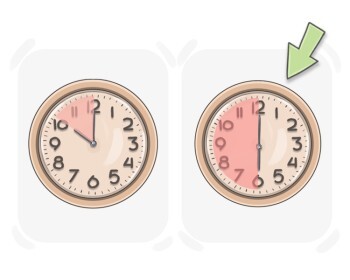
past
past
[Adverbia]

used to indicate that a particular time has already gone by

sudah, sebelumnya

sudah, sebelumnya

Ex: A few days went past, and she still hadn't received any news. 

Beberapa hari telah lalu, dan dia masih belum menerima kabar apa pun.
Tutup
Masuk
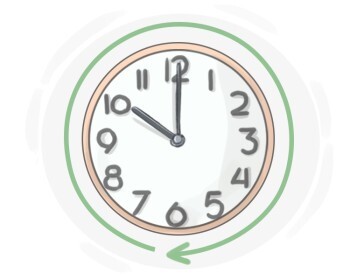
half
half
[Kata benda]

either one of two equal parts of a thing

setengah, separuh
setengah, separuh

Ex: The donation was split into equal halves for both charities. 

Sumbangan dibagi menjadi dua bagian yang sama untuk kedua amal.

Tutup
Masuk
day
day
[Kata benda]

a period of time that is made up of twenty-four hours

hari

hari

Ex: Let's plan a movie night for this Saturday, it will be a fun day. 

Mari rencanakan malam film untuk Sabtu ini, itu akan menjadi hari yang menyenangkan.

Tutup
Masuk
month
month
[Kata benda]

each of the twelve named divisions of the year, like January, February, etc.

bulan

bulan

Ex: My favorite month is December because of the holidays. 

Bulan favorit saya adalah Desember karena liburan.

Tutup
Masuk
LanGeek
Unduh aplikasi LanGeek