pattern

Il libro Top Notch 2B - Unità 7-Lezione 2

Qui troverai il vocabolario dell'Unità 7 - Lezione 2 del libro di corso Top Notch 2B, come "depresso", "lamentarsi", "eccitato", ecc.

Revisione

Flashcard

forme

Ortografia

Quiz

Inizia a imparare
Top Notch 2B
down
down
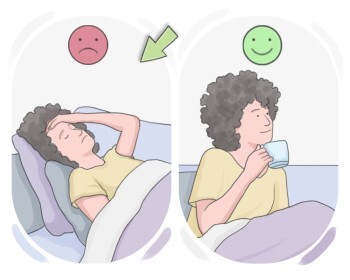
[aggettivo]

experiencing a temporary state of sadness

giù (di corda)

giù (di corda)

Ex: She looked visibly down at the funeral of her beloved pet. 
Chiudi
Accedi
sad
sad
[aggettivo]

emotionally bad or unhappy

triste, feeling bad or unhappy
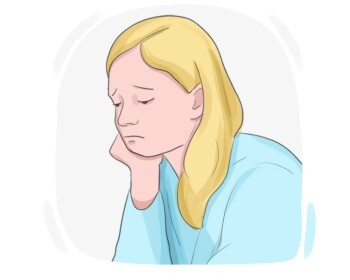
triste, feeling bad or unhappy

Ex: The sad girl found solace in painting to express her emotions. 
Chiudi
Accedi
unhappy
unhappy
[aggettivo]

sad or not satisfied with one's situation

infelice

infelice

Ex: She had an unhappy childhood but spoke warmly about her grandparents. 
Chiudi
Accedi
upset
upset
[aggettivo]

feeling disturbed or distressed due to a negative event

turbato

turbato

Ex: Upset by the criticism, she decided to take a break from social media. 
Chiudi
Accedi
depressed
depressed
[aggettivo]

feeling very unhappy and having no hope

depresso

depresso

Ex: She sought help from a therapist when her depressed state became overwhelming. 

Ha cercato aiuto da un terapista quando il suo stato depresso è diventato opprimente.
Chiudi
Accedi
angry
angry
[aggettivo]

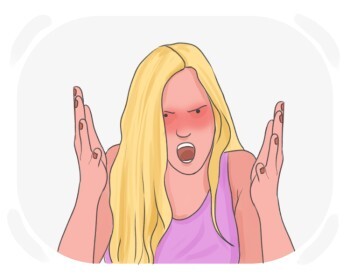
feeling very annoyed because of something that we do not like

arrabbiato, rabbioso

arrabbiato, rabbioso

Ex: His angry tone made everyone uncomfortable. 
Chiudi
Accedi
excited
excited
[aggettivo]

feeling very happy, interested, and energetic

eccitato, very happy and full of energy
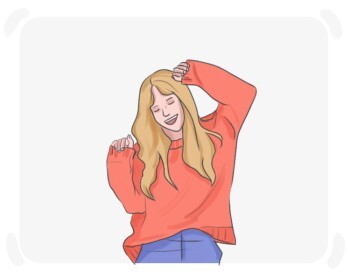
eccitato, very happy and full of energy

Ex: They were excited to try the new roller coaster at the theme park. 
Chiudi
Accedi
happy
happy
[aggettivo]

emotionally feeling good or glad

felice, feeling good or glad
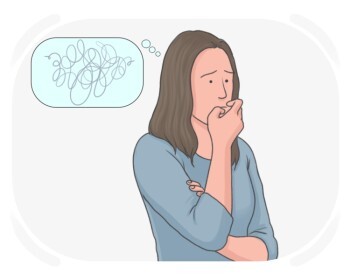
felice, feeling good or glad

Ex: The happy couple celebrated their anniversary with a romantic dinner. 
Chiudi
Accedi
afraid
afraid
[aggettivo]

getting a bad and anxious feeling from a person or thing because we think something bad or dangerous will happen

impaurito

impaurito

Ex: He's always been afraid of the dark. 

Ha sempre avuto paura del buio.

Chiudi
Accedi
sick
sick
[aggettivo]

not in a good and healthy physical or mental state

malato
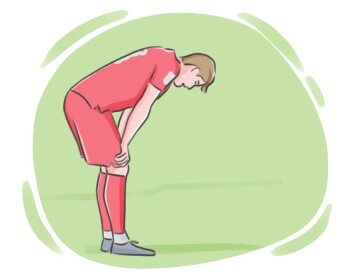
malato

Ex: She was so sick, she missed the trip. 
Chiudi
Accedi
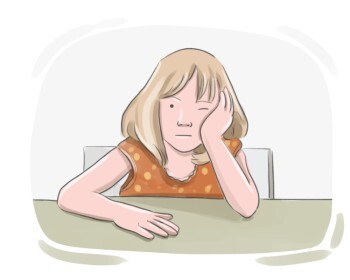
tired
tired
[aggettivo]

needing to sleep or rest because of not having any more energy

stanco

stanco

Ex: The toddler was too tired to finish his dinner. 

Il bambino era troppo stanco per finire la sua cena.
Chiudi
Accedi
bored
bored
[aggettivo]

tired and unhappy because there is nothing to do or because we are no longer interested in something

annoiato

annoiato

Ex: The teacher's monotonous voice made the students feel bored. 

La voce monotona dell'insegnante ha fatto sentire gli studenti annoiati.
Chiudi
Accedi
crazy
crazy
[aggettivo]

very foolish, unreasonable, or absurd

pazzo

pazzo

Ex: Michael made a crazy decision and immediately regretted it. 
Chiudi
Accedi
to complain

to express your annoyance, unhappiness, or dissatisfaction about something

lamentarsi, protestare
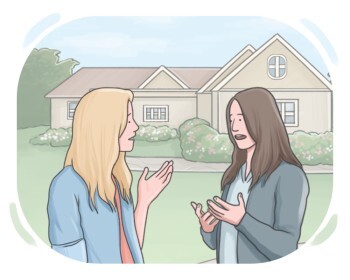
lamentarsi, protestare

Ex: Rather than complaining about the weather, Sarah decided to make the best of the rainy day and stayed indoors reading a book. 
Chiudi
Accedi
to talk
to talk
[Verbo]

to tell someone about the feelings or ideas that we have

parlare
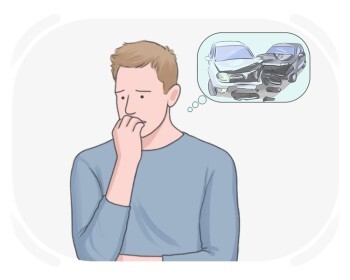
parlare

Ex: They enjoy talking about their feelings and emotions. 
Chiudi
Accedi
to worry
to worry
[Verbo]

to feel upset and nervous because we think about bad things that might happen to us or our problems

preoccuparsi
preoccuparsi

Ex: The constant rain made her worry about the outdoor wedding ceremony. 
Chiudi
Accedi
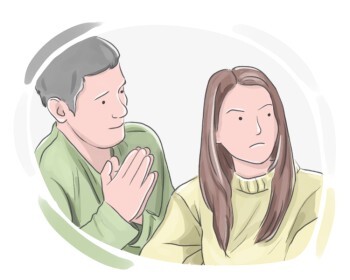
to think about

to consider the advantages, disadvantages, and probability of an action

pensare

pensare

Ex: Did you think about the risks before investing? 

Hai pensato ai rischi prima di investire?
Chiudi
Accedi
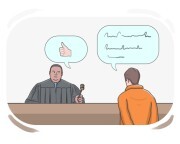
to apologize

to tell a person that one is sorry for having done something wrong

scusarsi, chiedere scusa

scusarsi, chiedere scusa

Ex: After the disagreement, she took the initiative to apologize and mend the relationship. 

Dopo il disaccordo, ha preso l'iniziativa di scusarsi e riparare la relazione.
Chiudi
Accedi
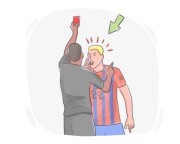
to believe
to believe
[Verbo]

to accept something to be true even without proof

pensare
pensare

Ex: You shouldn't believe everything you see on social media. 
Chiudi
Accedi
to object
to object
[Verbo]

to express disapproval of something

obiettare

obiettare

Ex: As a consumer advocate, she regularly objects to unfair business practices that harm consumers. 
Chiudi
Accedi
how about
how about
[Frase]

used to inquire information about someone or something

che ne dici

che ne dici

Ex: How about I drive, and you navigate? 
Chiudi
Accedi
what about
what about
[Frase]

used for making a suggestion

che mi dici

che mi dici

Ex: What about taking a walk to clear our minds? 
Chiudi
Accedi
LanGeek
Scarica l'app LanGeek