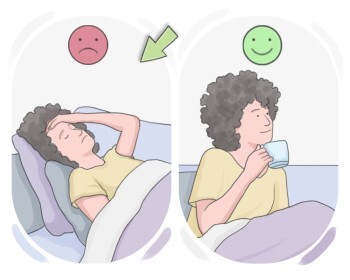
pattern

Sách Top Notch 2B - Đơn vị 7 - Bài học 2

Ở đây bạn sẽ tìm thấy từ vựng từ Bài 7 - Bài 2 trong sách giáo trình Top Notch 2B, như "chán nản", "phàn nàn", "hào hứng", v.v.

Xem lại

Thẻ ghi nhớ

dạng từ

Chính tả

Đố vui

Bắt đầu học
Top Notch 2B
down
down
[Tính từ]

experiencing a temporary state of sadness

buồn, chán nản
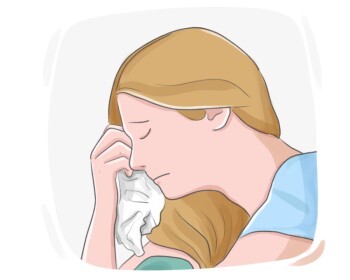
buồn, chán nản

Ex: She appeared down after hearing the bad news about her friend's illness. 
sad
sad
[Tính từ]

emotionally bad or unhappy

buồn,sầu, feeling bad or unhappy
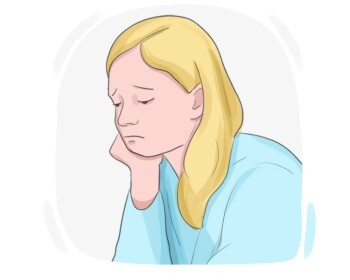
buồn,sầu, feeling bad or unhappy

Ex: He looked sad because he didn't get the job he wanted. 
unhappy
unhappy
[Tính từ]

sad or not satisfied with one's situation

bất hạnh

bất hạnh

Ex: The children looked unhappy about leaving early. 
upset
upset
[Tính từ]

feeling disturbed or distressed due to a negative event

buồn bã, bối rối

buồn bã, bối rối

Ex: The teacher noticed her student was upset and asked if everything was okay. 
depressed
depressed
[Tính từ]

feeling very unhappy and having no hope

chán nản, trầm cảm

chán nản, trầm cảm

Ex: He appeared depressed, with a heavy weight apparent in his demeanor. 

Anh ấy có vẻ chán nản, với một sức nặng rõ ràng trong thái độ của mình.
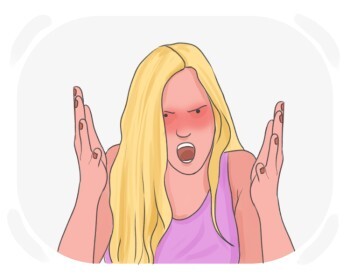
angry
angry
[Tính từ]

feeling very annoyed because of something that we do not like

tức giận,giận dữ, feeling very bad because of something

tức giận,giận dữ, feeling very bad because of something

Ex: He looked angry when he read the unfair review. 
excited
excited
[Tính từ]

feeling very happy, interested, and energetic

hào hứng,phấn khích, very happy and full of energy
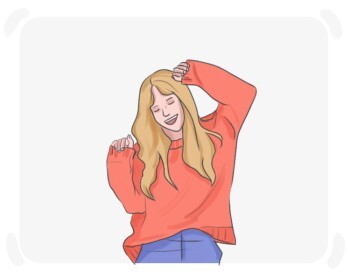
hào hứng,phấn khích, very happy and full of energy

Ex: The children were excited to open their presents on Christmas morning. 
happy
happy
[Tính từ]

emotionally feeling good or glad

hạnh phúc,vui vẻ, feeling good or glad
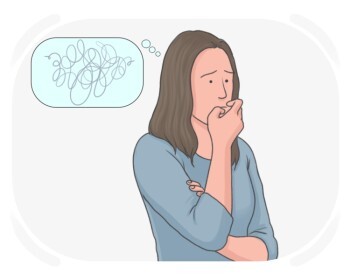
hạnh phúc,vui vẻ, feeling good or glad

Ex: The children were happy to receive gifts on their birthdays. 
afraid
afraid
[Tính từ]

getting a bad and anxious feeling from a person or thing because we think something bad or dangerous will happen

sợ hãi, e ngại

sợ hãi, e ngại

Ex: They were afraid of getting lost in the forest. 

Họ sợ bị lạc trong rừng.

sick
sick
[Tính từ]

not in a good and healthy physical or mental state

ốm, buồn nôn
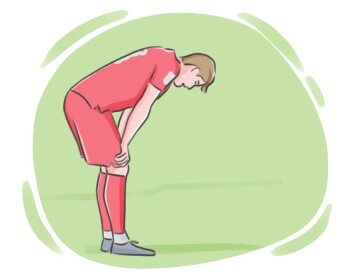
ốm, buồn nôn

Ex: My dog got sick and we visited the vet. 
tired
tired
[Tính từ]

needing to sleep or rest because of not having any more energy

mệt mỏi,  kiệt sức

mệt mỏi, kiệt sức

Ex: She was tired but satisfied after cleaning the whole house. 

Cô ấy mệt mỏi nhưng hài lòng sau khi dọn dẹp cả ngôi nhà.
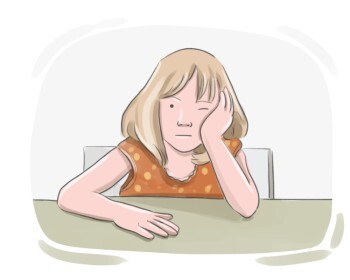
bored
bored
[Tính từ]

tired and unhappy because there is nothing to do or because we are no longer interested in something

chán, buồn tẻ

chán, buồn tẻ

Ex: I am bored of eating the same thing every day. 

Tôi chán ăn cùng một thứ mỗi ngày.

crazy
crazy
[Tính từ]

very foolish, unreasonable, or absurd

điên rồ, dại dột

điên rồ, dại dột

Ex: Sarah thought the plan sounded crazy at first. 
to complain
to complain
[Động từ]

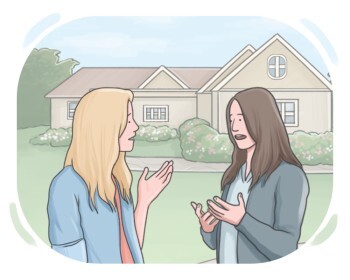
to express your annoyance, unhappiness, or dissatisfaction about something

phàn nàn, than phiền
phàn nàn, than phiền

Ex: The customers decided to complain about the poor service they received at the restaurant. 
to talk
to talk
[Động từ]

to tell someone about the feelings or ideas that we have

nói, trò chuyện
nói, trò chuyện

Ex: She was talking about starting a new hobby. 
to worry
to worry
[Động từ]

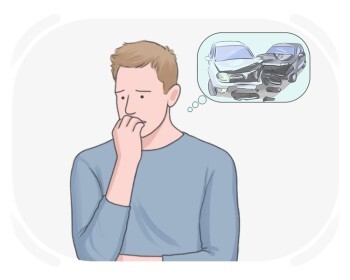
to feel upset and nervous because we think about bad things that might happen to us or our problems

lo lắng, băn khoăn
lo lắng, băn khoăn

Ex: Don't worry, I'll take care of everything while you're away. 
to think about
to think about
[Động từ]

to consider the advantages, disadvantages, and probability of an action

suy nghĩ về, xem xét

suy nghĩ về, xem xét

Ex: We should think about the potential challenges before embarking on such a significant change. 

Chúng ta nên suy nghĩ về những thách thức tiềm ẩn trước khi bắt tay vào một sự thay đổi quan trọng như vậy.
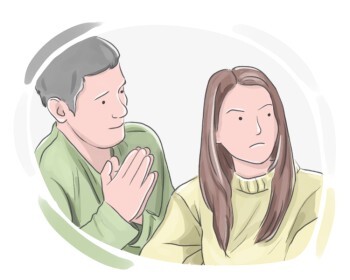
to apologize
to apologize
[Động từ]

to tell a person that one is sorry for having done something wrong

xin lỗi, nhận lỗi

xin lỗi, nhận lỗi

Ex: In a professional setting, it is common to apologize for any errors and take responsibility. 

Trong môi trường chuyên nghiệp, việc xin lỗi vì bất kỳ sai sót nào và chịu trách nhiệm là điều phổ biến.
to believe
to believe
[Động từ]

to accept something to be true even without proof

tin, tin tưởng
tin, tin tưởng

Ex: For a long time, I believed his exaggerated tales of adventure. 
to object
to object
[Động từ]

to express disapproval of something

phản đối, chống đối

phản đối, chống đối

Ex: The students were encouraged to voice their opinions, and some did object to the new school schedule. 
how about
how about
[Cụm từ]

used to inquire information about someone or something

Ex: If you don't like coffee, how about tea? 
what about
what about
[Cụm từ]

used for making a suggestion

Ex: What about adding some more vegetables to the salad? 
LanGeek
Tải ứng dụng LanGeek