
El libro Top Notch 2B - Unidad 7 - Lección 2
Aquí encontrarás el vocabulario de la Unidad 7 - Lección 2 del libro de curso Top Notch 2B, como "deprimido", "quejarse", "emocionado", etc.
Revisión
Tarjetas de memoria
formas
Ortografía
Cuestionario


experiencing a temporary state of sadness

deprimido

emotionally bad or unhappy
triste, feeling bad or unhappy
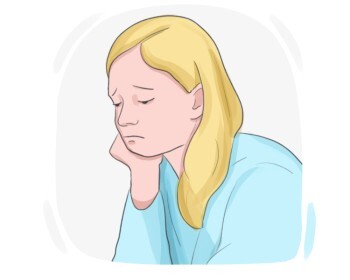
sad or not satisfied with one's situation
infeliz
feeling disturbed or distressed due to a negative event
molesto, triste
feeling very unhappy and having no hope
deprimido, desesperanzado
La pérdida de su trabajo la dejó deprimida e insegura sobre el futuro.
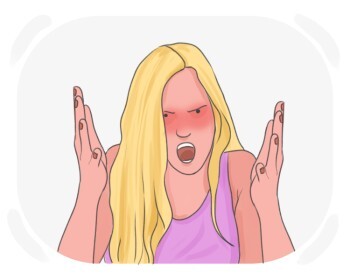
feeling very annoyed because of something that we do not like
enojado, enfadado

feeling very happy, interested, and energetic
entusiasmado, emocionado
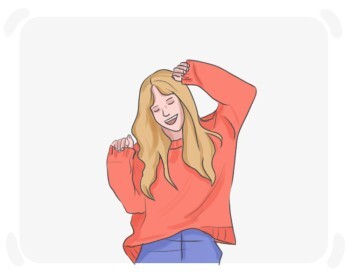
emotionally feeling good or glad
feliz, contento
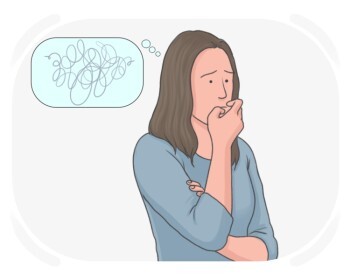
getting a bad and anxious feeling from a person or thing because we think something bad or dangerous will happen
asustado
Tenían miedo de perderse en el bosque.
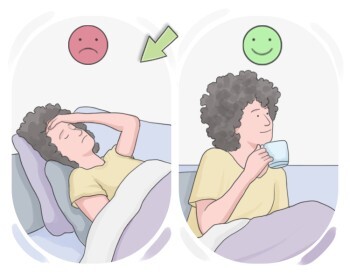
not in a good and healthy physical or mental state
enfermo
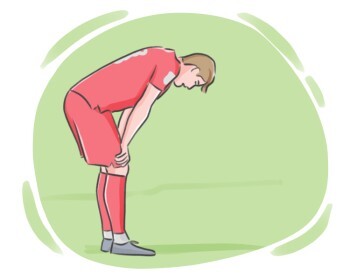
needing to sleep or rest because of not having any more energy
cansado
Ella estaba cansada pero satisfecha después de limpiar toda la casa.
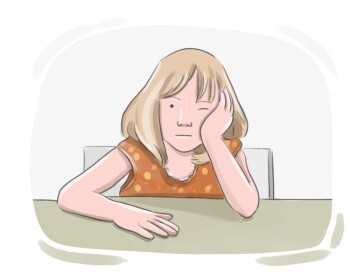
tired and unhappy because there is nothing to do or because we are no longer interested in something
aburrido
Se quejó de estar aburrida durante el largo vuelo.
very foolish, unreasonable, or absurd
loco

to express your annoyance, unhappiness, or dissatisfaction about something
quejarse

to tell someone about the feelings or ideas that we have
hablar
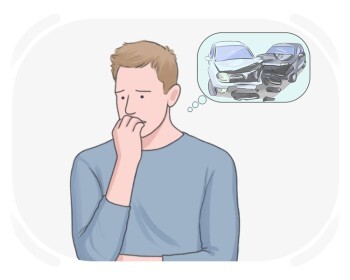
to feel upset and nervous because we think about bad things that might happen to us or our problems
preocuparse
to consider the advantages, disadvantages, and probability of an action
reflexionar sobre, considerar
Deberíamos pensar en los desafíos potenciales antes de embarcarnos en un cambio tan significativo.

to tell a person that one is sorry for having done something wrong
disculparse, pedir perdón
En un entorno profesional, es común disculparse por cualquier error y asumir la responsabilidad.
to accept something to be true even without proof
creer
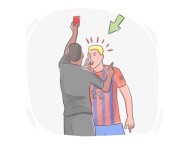
to express disapproval of something
objetar

used to inquire information about someone or something
¿Qué te parece...?
used for making a suggestion
¿qué te parece?, ¿qué tal?
