pattern

Kniha Top Notch 2B - Jednotka 7 - Lekce 2

Zde najdete slovní zásobu z jednotky 7 - lekce 2 v učebnici Top Notch 2B, jako je "depresivní", "stěžovat si", "vzrušený" atd.

Revize

Kartičky

tvary

Pravopis

Kvíz

Začněte se učit
Top Notch 2B
down
down
[Přídavné jméno]

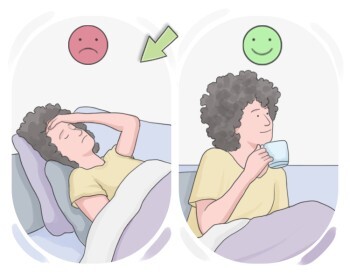
experiencing a temporary state of sadness

skleslý, smutný
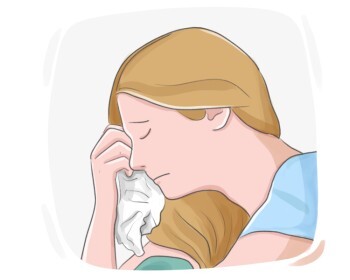
skleslý, smutný

Ex: He seemed down lately, ever since he lost his job. 
sad
sad
[Přídavné jméno]

emotionally bad or unhappy

smutný,zarmoucený, feeling bad or unhappy
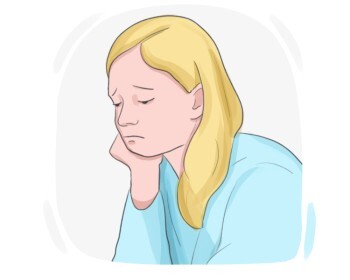
smutný,zarmoucený, feeling bad or unhappy

Ex: He looked sad because he didn't get the job he wanted. 
unhappy
unhappy
[Přídavné jméno]

experiencing a lack of joy or positive emotions

nešťastný, smutný

nešťastný, smutný

Ex: He felt unhappy in his job despite the high salary. 
upset
upset
[Přídavné jméno]

feeling disturbed or distressed due to a negative event

rozrušený, rozčilený

rozrušený, rozčilený

Ex: She was upset after hearing the bad news. 
depressed
depressed
[Přídavné jméno]

feeling very unhappy and having no hope

depresivní, sklíčený

depresivní, sklíčený

Ex: She felt depressed after receiving the disappointing news. 
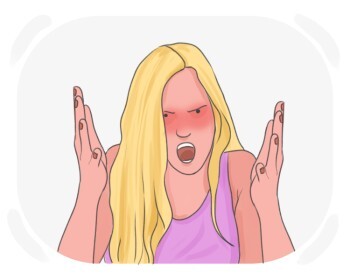
angry
angry
[Přídavné jméno]

feeling very annoyed because of something that we do not like

naštvaný,rozzlobený, feeling very bad because of something

naštvaný,rozzlobený, feeling very bad because of something

Ex: I get angry when people lie to me. 
excited
excited
[Přídavné jméno]

feeling very happy, interested, and energetic

nadšený,vzrušený, very happy and full of energy
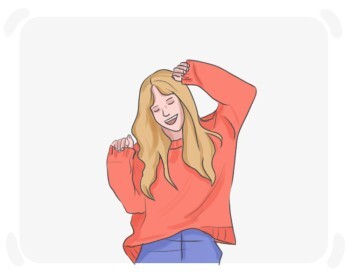
nadšený,vzrušený, very happy and full of energy

Ex: He was excited to start his new job. 
happy
happy
[Přídavné jméno]

emotionally feeling good or glad

šťastný,spokojený, feeling good or glad
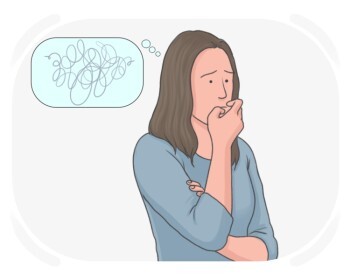
šťastný,spokojený, feeling good or glad

Ex: He was happy when he got the job he had been hoping for. 
afraid
afraid
[Přídavné jméno]

getting a bad and anxious feeling from a person or thing because we think something bad or dangerous will happen

vystrašený, bojácný

vystrašený, bojácný

Ex: She's afraid of spiders. 
sick
sick
[Přídavné jméno]

not in a good and healthy physical or mental state

nemocný, nevolno
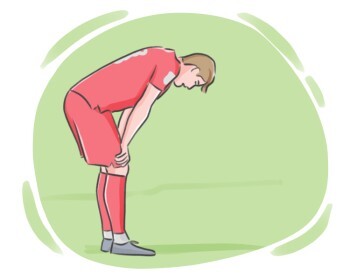
nemocný, nevolno

Ex: I think the milk was bad; it made me sick. 
tired
tired
[Přídavné jméno]

needing to sleep or rest because of not having any more energy

unavený,  vyčerpaný

unavený, vyčerpaný

Ex: After a long day at work, he felt extremely tired. 
bored
bored
[Přídavné jméno]

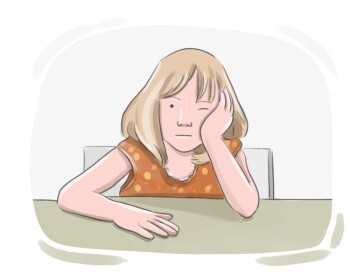
tired and unhappy because there is nothing to do or because we are no longer interested in something

znuděný, unavený

znuděný, unavený

Ex: He's bored because he has nothing to do at home. 
crazy
crazy
[Přídavné jméno]

extremely foolish or absurd in a way that seems insane

bláznivý, šílený

bláznivý, šílený

Ex: He does crazy things like swimming in the lake in the middle of winter. 
to complain
to complain
[sloveso]

to express your annoyance, unhappiness, or dissatisfaction about something

stěžovat si, reptat
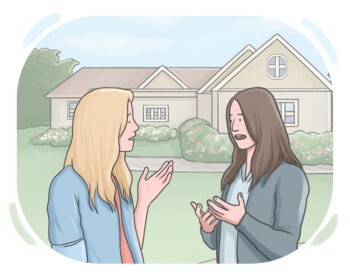
stěžovat si, reptat

Ex: Emily likes to complain about the long commute to work every morning. 
to talk
to talk
[sloveso]

to tell someone about the feelings or ideas that we have

mluvit, diskutovat
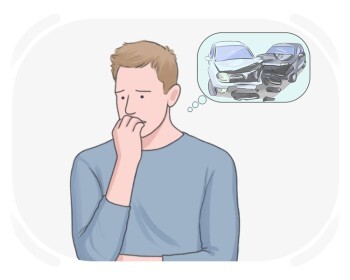
mluvit, diskutovat

Ex: He talked to his friend about his recent breakup. 
to worry
to worry
[sloveso]

to feel upset and nervous because we think about bad things that might happen to us or our problems

starat se, znepokojovat se
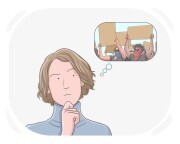
starat se, znepokojovat se

Ex: She tends to worry about upcoming exams. 
to think about

to consider the advantages, disadvantages, and probability of an action

přemýšlet o, zvažovat

přemýšlet o, zvažovat

Ex: Before accepting the job offer, take some time to think about the long-term implications. 
to apologize
to apologize
[sloveso]

to tell a person that one is sorry for having done something wrong

omlouvat se, žádat o odpuštění

omlouvat se, žádat o odpuštění

Ex: When realizing the mistake, he promptly apologized to his friend for the misunderstanding. 
to believe
to believe
[sloveso]

to accept something to be true even without proof

věřit, důvěřovat
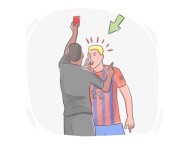
věřit, důvěřovat

Ex: I believed her excuses for missing the meeting. 
to object
to object
[sloveso]

to express disapproval of something

namítat, protestovat

namítat, protestovat

Ex: During the meeting, several members objected to the proposed changes in the company policy. 
how about
how about
[fráze]

used to inquire information about someone or something

Ex: How about going for a walk after dinner? 
what about
what about
[fráze]

used for making a suggestion

Ex: What about going to the beach this weekend? 
LanGeek
Stáhnout aplikaci LanGeek