
Le livre Top Notch 2B - Unité 7 - Leçon 2
Ici, vous trouverez le vocabulaire de l'Unité 7 - Leçon 2 du manuel Top Notch 2B, comme "déprimé", "se plaindre", "excité", etc.
Réviser
Flashcards
Orthographe
Quiz


experiencing a temporary state of sadness

bas
Elle a semblé triste après avoir entendu la mauvaise nouvelle concernant la maladie de son amie.

emotionally bad or unhappy
triste, feeling bad or unhappy
Il était triste parce qu'il n'a pas reçu le cadeau qu'il voulait.
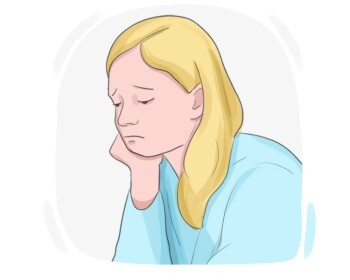
sad or not satisfied with one's situation
malheureux
feeling disturbed or distressed due to a negative event
contrarié, affecté, blessé
Le professeur a remarqué que son élève était contrarié et a demandé si tout allait bien.
feeling very unhappy and having no hope
déprimé
Il semblait déprimé, avec un poids lourd apparent dans son attitude.
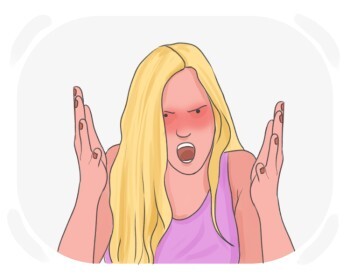
feeling very annoyed because of something that we do not like
furieux, feeling very bad because of something
Il avait l'air en colère quand il a lu la critique injuste.

feeling very happy, interested, and energetic
agité, excité
Elle se sentait excitée et nerveuse avant sa performance de danse.
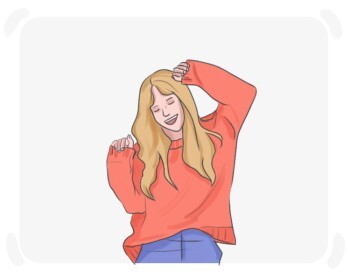
emotionally feeling good or glad
heureux, feeling good or glad
Les enfants étaient heureux de recevoir des cadeaux pour leur anniversaire.
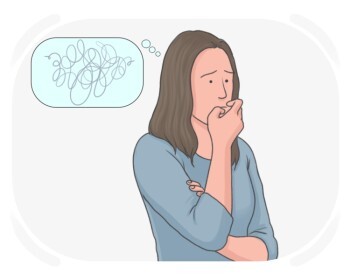
feeling fear because someone or something seems dangerous, frightening, or likely to cause harm
effrayé
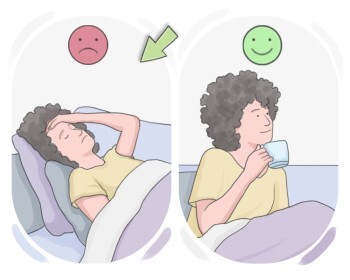
not in a good and healthy physical or mental state
malade
Mon chien est malade et nous avons rendu visite au vétérinaire.
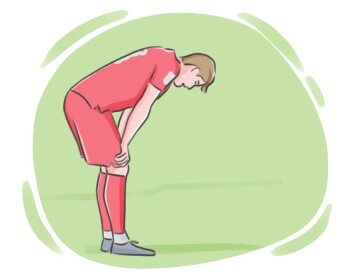
needing to sleep or rest because of not having any more energy
fatigué
Elle se sentait fatiguée et a décidé de faire une courte sieste.
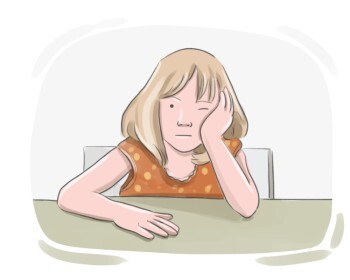
tired and unhappy because there is nothing to do or because we are no longer interested in something
qui s’ennuie
Je suis ennuyé de manger la même chose tous les jours.
very foolish, unreasonable, or absurd
fou, folle

to express your annoyance, unhappiness, or dissatisfaction about something
se plaindre
Les clients ont décidé de se plaindre du mauvais service qu'ils ont reçu au restaurant.

to tell someone about the feelings or ideas that we have
parler
Elle parlait de commencer un nouveau passe-temps.
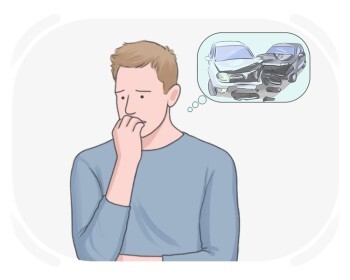
to feel upset and nervous because we think about bad things that might happen to us or our problems
s'inquiéter
Ne t'inquiète pas, je m'occuperai de tout pendant ton absence.

to have someone or something in one's thoughts or give mental attention to them
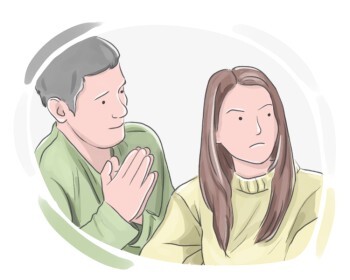
to tell a person that one is sorry for having done something wrong
présenter ses excuses, faire ses excuses
Il est important de s'excuser si vous blessez accidentellement les sentiments de quelqu'un, même involontairement.
to accept something as true or real, even without conclusive proof
croire
to express disapproval of something
être en désaccord avec, s'opposer à
Les élèves ont été encouragés à exprimer leurs opinions, et certains ont objecté au nouvel emploi du temps scolaire.
used to inquire information about someone or something
et si...
used for making a suggestion
Ça te dirait...?, Ça vous dirait...?
