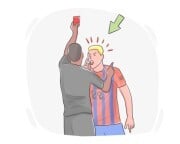
책 Top Notch 2B - 7단원 - 2과

여기에서는 Top Notch 2B 교재의 7과 2단원에서 "우울한", "불평하다", "흥분한" 등의 어휘를 찾을 수 있습니다.

review-disable

리뷰

flashcard-disable

플래시카드

spelling-disable

철자법

quiz-disable

퀴즈

학습 시작
책 Top Notch 2B
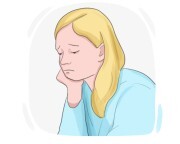
down [형용사]
اجرا کردن

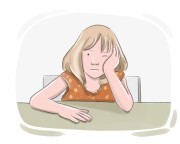
우울한

Ex:

비 오는 날씨는 항상 그를 약간 우울하게 만든다.

sad [형용사]
اجرا کردن

슬픈,우울한

Ex: It was a sad day when the team lost the championship game .

팀이 챔피언십 게임에서 졌을 때 슬픈 날이었다.

unhappy [형용사]
اجرا کردن

불행한

Ex: She seemed unhappy after the phone call .

그녀는 전화 통화 후에 불행해 보였다.

upset [형용사]
اجرا کردن

화난

Ex: She tried to hide how upset she was during the meeting .

그녀는 회의 중 얼마나 화가 났는지 숨기려고 했다.

depressed [형용사]
اجرا کردن

우울한

Ex: He became depressed during the long , dark winter .
angry [형용사]
اجرا کردن

화난,성난

Ex: She was angry after being blamed for something she did n't do .

그녀는 하지 않은 일로 비난을 받은 후 화가 났다.

excited [형용사]
اجرا کردن

흥분한,들뜬

Ex: The children were excited to open their presents on Christmas morning .

아이들은 크리스마스 아침에 선물을 열기 위해 흥분했습니다.

happy [형용사]
اجرا کردن

행복한,기쁜

Ex: The students were happy to have a day off from school .

학생들은 학교에서 하루 쉬는 것을 기쁘게 생각했습니다.

afraid [형용사]
اجرا کردن

두려운

Ex: They were afraid of getting lost in the forest .

그들은 숲에서 길을 잃을까 두려워했습니다.

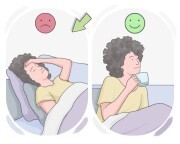
sick [형용사]
اجرا کردن

아픈

Ex: My father was so sick that he could n't even get out of bed .

아버지는 너무 아파서 침대에서 일어날 수도 없었습니다.

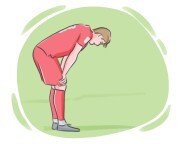
tired [형용사]
اجرا کردن

피곤한

Ex: She was tired but satisfied after cleaning the whole house .

그녀는 집 전체를 청소한 후 피곤했지만 만족했다.

bored [형용사]
اجرا کردن

지루한

Ex: He felt bored during the long , slow lecture .

그는 길고 느린 강의 동안 지루함을 느꼈다.

crazy [형용사]
اجرا کردن

미친

Ex: It ’s crazy to spend that much money on a pair of shoes .

신발 한 켤레에 그렇게 많은 돈을 쓰다니 미친 짓이다.

to complain [동사]
اجرا کردن

불평하다

Ex: Instead of complaining , try to find constructive solutions to the challenges you face .

불평하는 대신, 당신이 직면한 도전에 대한 건설적인 해결책을 찾으려고 노력하세요.

to talk [동사]
اجرا کردن

말하다

Ex: Let 's talk about your thoughts on the upcoming project .

다가오는 프로젝트에 대한 당신의 생각을 이야기해 봅시다.

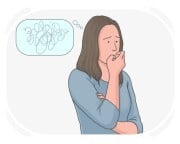
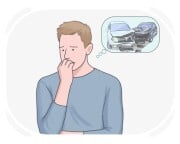
to worry [동사]
اجرا کردن

걱정하다

Ex: He could n't help but worry about the uncertain future .

그는 불확실한 미래에 대해 걱정하지 않을 수 없었다.

اجرا کردن

생각하다

Ex: We should think about the potential challenges before embarking on such a significant change .

그러한 중요한 변화를 시작하기 전에 잠재적인 도전 과제에 대해 생각해 봐야 합니다.
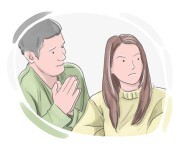
اجرا کردن

사과하다

Ex: In a professional setting , it is common to apologize for any errors and take responsibility .

전문적인 환경에서는 어떤 실수에 대해 사과하고 책임을 지는 것이 일반적입니다.
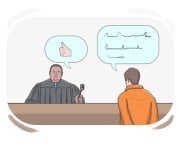
to believe [동사]
اجرا کردن

믿다

Ex: I find it hard to believe that she won the lottery twice in a row .

그녀가 연속으로 복권에 당첨되었다는 것을 믿기 어렵다.

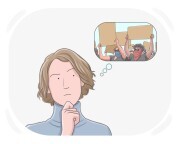
to object [동사]
اجرا کردن

반대하다

Ex: Residents of the neighborhood gathered to object to the construction of a noisy factory in their vicinity .

동네 주민들이 그들 주변에 시끄러운 공장 건설을 반대하기 위해 모였다.

اجرا کردن

used to inquire information about someone or something

Ex: If you do n't like coffee , how about tea ?
اجرا کردن

used for making a suggestion

Ex: What about adding some more vegetables to the salad ?