Il libro Four Corners 2 - Unità 10 Lezione C - Parte 1
Qui troverai il vocabolario dell'Unità 10 Lezione C - Parte 1 del libro di corso Four Corners 2, come "latticini", "appendere", "ostrica", ecc.
Revisione
Flashcard
forme
Ortografia
Quiz

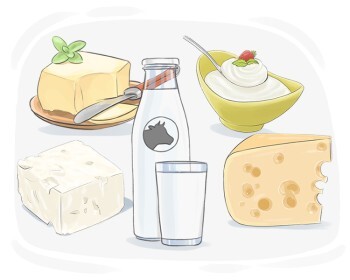
milk and milk products that are produced by mammals such as cows, goats, and sheep collectively

latticini
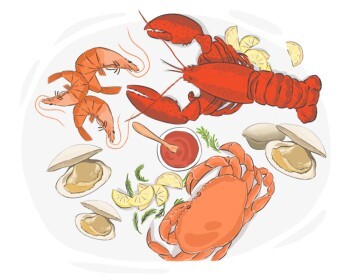
any sea creature that is eaten as food such as fish, shrimp, seaweed, and shellfish
frutti di mare
Hanno goduto di un banchetto di frutti di mare sulla spiaggia, con vassoi di gamberetti, ostriche e pesce alla griglia.
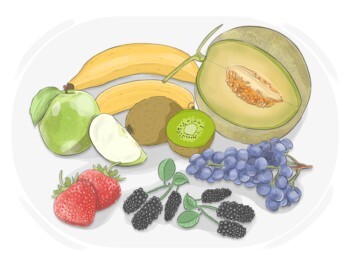
something we can eat that grows on trees, plants, or bushes
frutta
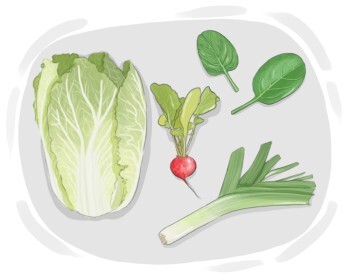
a plant or edible part of a plant that is eaten as food
verdura
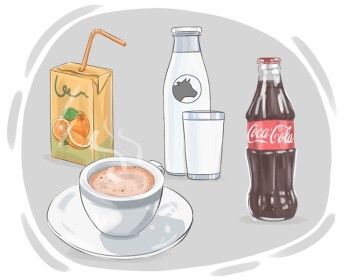
any liquid that we can drink
bevanda, da bere
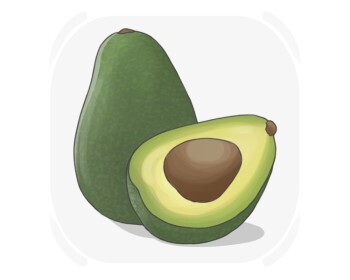
a bell-shaped tropical fruit with bright green flesh, dark skin and a big stony seed
avocado
Puoi fare una maschera nutriente per capelli usando avocado maturo e olio d'oliva.
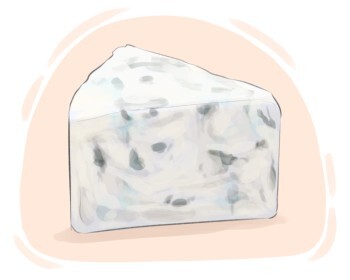
any type of cheese containing blue lines or mold
formaggio blu
Adoro la combinazione di formaggio blu e pere in un'insalata.
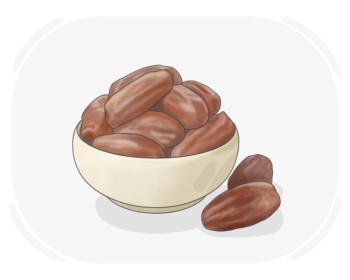
a small brown fruit with a sweet taste and a hard seed
dattero
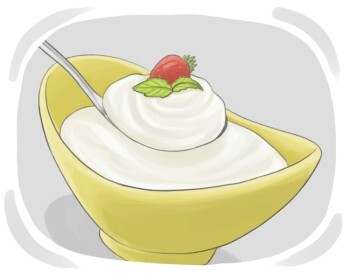
a frozen dessert made from yogurt that is mixed with sugar and other flavorings, and can be served plain or with a variety of toppings
yogurt gelato, yogurt congelato
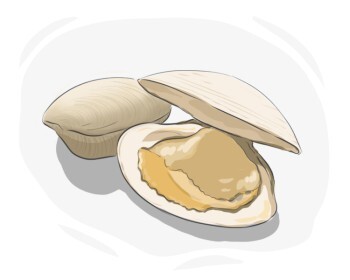
a type of shellfish that can be eaten both raw and cooked, some of which contain pearls inside
ostrica
Cuoci le ostriche ricoperte con una miscela di pangrattato, burro ed erbe aromatiche per un antipasto delizioso e facile da preparare.
a cooking banana that is starchy and grows in tropical regions
piantaggine
Mi piace friggere le banane platano finché non diventano dorate e gustarle come un gustoso contorno.
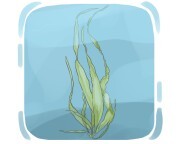
a type of plant that grows in or near the sea
alga marina
La spiaggia era disseminata di alghe dopo la tempesta, creando un tappeto naturale di verde e marrone.
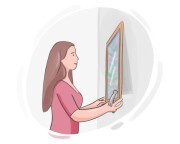
to attach something to a higher point so that it is supported from above and can swing freely
appendere
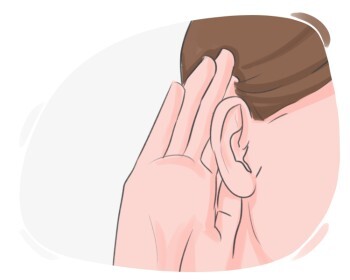
to notice the sound a person or thing is making
ascoltare
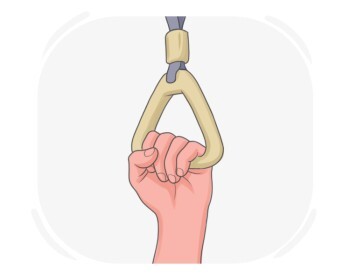

to have some information about something
sapere, conoscere
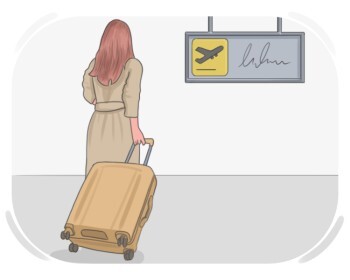
to go away from somewhere
partire, lasciare
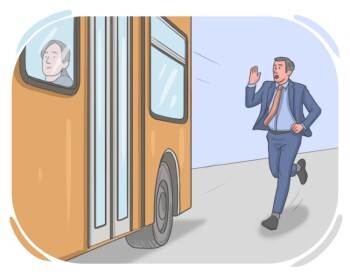
to be deprived of or stop having someone or something
perdere
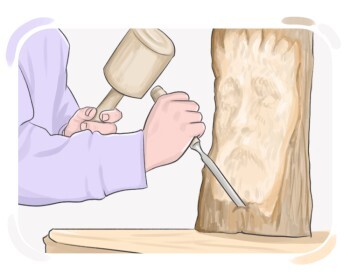
to form, produce, or prepare something, by putting parts together or by combining materials
fare
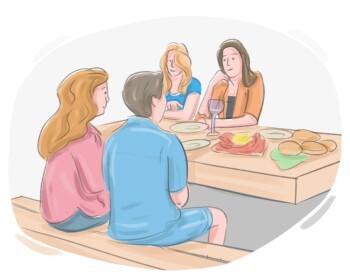
to come together as previously scheduled for social interaction or a prearranged purpose
incontrare

to give someone money in exchange for goods or services
pagare
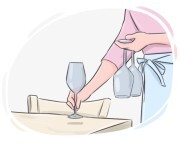
to move something or someone from one place or position to another
mettere

to look at written or printed words or symbols and understand their meaning
leggere
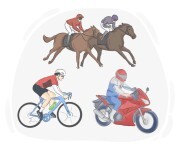
to sit on open-spaced vehicles like motorcycles or bicycles and be in control of their movements
guidare, andare in
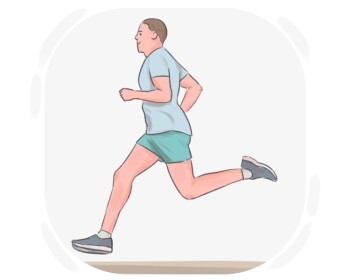
to move using our legs, faster than we usually walk, in a way that both feet are never on the ground at the same time
correre
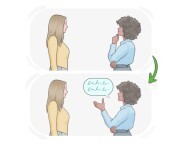
to use words and our voice to show what we are thinking or feeling
dire
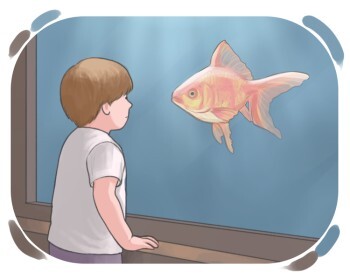
to notice a thing or person with our eyes
vedere