Vocabolario per IELTS (Generale) - Simpatie
Qui imparerai alcune parole inglesi su piacere o non piacere delle persone o delle cose, come "passione", "misogino", "detestare", ecc., necessarie per l'IELTS.
Revisione
Flashcard
forme
Ortografia
Quiz


to love and respect someone very much

adorare
Loro adorano i loro genitori per i sacrifici che hanno fatto per la famiglia.

to make someone satisfied or happy
accontentare

a strong feeling of dislike toward someone or something
avversione
Il bambino ha sviluppato un'avversione per i broccoli dopo una brutta esperienza.

having a particular liking or preference for someone or something
che ha un debole per

a very strong emotion or feeling, such as love, anger, hatred, or enthusiasm
passione

having a strong enthusiasm, desire, or excitement for something or someone
appassionato

to not like someone or something
non gradire

to hate and have no respect for something or someone
disprezzare
Disprezziamo la crudeltà verso gli animali e sosteniamo le organizzazioni che lavorano per proteggerli.

a strong feeling of distaste for someone or something
disgusto
Sentì un'ondata di disgusto travolgerla quando scoprì le condizioni insalubri del bagno pubblico.
an unfair and unreasonable opinion or attitude formed without sufficient knowledge or consideration
pregiudizio
the act of opposing or refusing to accept something one disapproves of or disagrees with
resistenza
(always negative) to tolerate someone or something
sopportare
Il manager ha chiarito che l'azienda non poteva tollerare comportamenti non etici.
a strong feeling of hatred, opposition, or hostility
antipatia
Nonostante la loro antipatia, sono riusciti a lavorare insieme al progetto.
a deep feeling of anger and dislike toward someone because of what they did in the past
rancore
Ha provato a perdonare, ma il risentimento per il tradimento è rimasto.
someone who despises women or assumes men are much better
misogino
Il suo comportamento in ufficio ha rivelato i suoi veri colori come misogino.
to treat someone better than someone else, especially in an unfair manner
prediligere, essere favorevole a
having a tendency to do something
incline
È inclinato a procrastinare quando si trova di fronte a compiti difficili.
more desirable or favored compared to other options
preferibile
Preferibile è ciò che molte persone trovano nello shopping online rispetto a visitare negozi fisici a causa della convenienza.

a tendency or predisposition to favor something over other options
preferenza
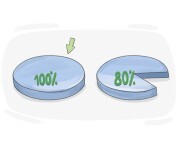
complete and total, with no imperfections or exceptions
assoluto

to attract or gain interest, approval, or admiration
attrarre

someone who is against a person, or hates them
nemico

to be willing to accept or tolerate a difficult situation
tollerare

to attract someone by being irresistibly appealing
cattivarsi
Le adorabili buffonate dei gattini hanno catturato i bambini, portando gioia nei loro cuori.
to absolutely hate someone or something
detestare
Detestiamo la disonestà e valorizziamo la veridicità e l'integrità.