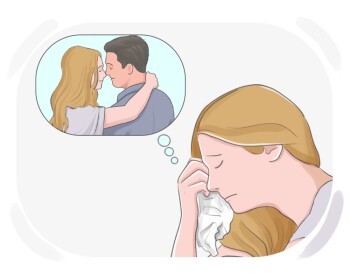
pattern

Vocabular pentru IELTS (General) - Preferințe și Antipatii

Aici veți învăța câteva cuvinte în engleză despre a plăcea sau a nu plăcea oamenii sau lucrurile, cum ar fi "pasiune", "misogin", "a detesta", etc., necesare pentru IELTS.

Revizuire

Fișe de studiu

forme

Ortografie

Chestionar

Începe să înveți
Words for General IELTS
to adore
to adore
[verb]

to love and respect someone very much

adora, venerează

adora, venerează

Ex: They adore their parents for the sacrifices they 've made for the family .

Ei adoră părinții lor pentru sacrificiile pe care le-au făcut pentru familie.

Închide
Conectare
to please
to please
[verb]

to make someone satisfied or happy

satisface, mulțumi

satisface, mulțumi

Ex: He pleases his parents by cleaning up the house before they return from their trip .

El mulțumește pe părinții săi curățând casa înainte ca aceștia să se întoarcă de la călătorie.

Închide
Conectare
aversion
aversion
[substantiv]

a strong feeling of dislike toward someone or something

aversiune, repulsie

aversiune, repulsie

Ex: The child developed an aversion to broccoli after a bad experience .

Copilul a dezvoltat o aversie față de broccoli după o experiență neplăcută.

Închide
Conectare
partial
partial
[adjectiv]

liking someone or something, or having an interest in them

parțial, părtinitor

parțial, părtinitor

Ex: He showed he was partial to vintage cars by collecting them .

El a arătat că este partial față de mașinile vechi colecționându-le.

Închide
Conectare
passion
passion
[substantiv]

a powerful and intense emotion or feeling toward something or someone, often driving one's actions or beliefs

pasiune

pasiune

Ex: The artist 's passion for painting was evident in the vibrant colors and expressive brushstrokes of her work .

Pasiunea artistei pentru pictură era evidentă în culorile vibrante și în tușele expresive ale lucrării sale.

Închide
Conectare
keen
keen
[adjectiv]

having a strong enthusiasm, desire, or excitement for something or someone

entuziasmat, pasionat

entuziasmat, pasionat

Ex: He has a keen passion for playing the guitar .

Are o pasiune puternică pentru a cânta la chitară.

Închide
Conectare
to dislike

to not like a person or thing

a nu-i plăcea, a displăcea

a nu-i plăcea, a displăcea

Ex: We strongly dislike rude people ; they 're disrespectful .

Nu ne plac deloc oamenii nepoliticosi; sunt lipsiti de respect.

Închide
Conectare
to despise

to hate and have no respect for something or someone

disprețui, urî

disprețui, urî

Ex: We despise cruelty to animals and support organizations that work to protect them .

Disprețuim cruzimea față de animale și sprijinim organizațiile care lucrează pentru protejarea lor.

Închide
Conectare
disgust
disgust
[substantiv]

a strong feeling of distaste for someone or something

dezgust, repulsie

dezgust, repulsie

Ex: She felt a wave of disgust wash over her as she discovered the unsanitary conditions of the public restroom.

A simțit un val de dezgust care o cuprindea când a descoperit condițiile nesănătoase ale toaletelor publice.

Închide
Conectare
prejudice
prejudice
[substantiv]

an unreasonable opinion or judgment based on dislike felt for a person, group, etc., particularly because of their race, sex, etc.

prejudecată, părtinire

prejudecată, părtinire

Ex: The novel explores themes of prejudice and social inequality .

Romanul explorează teme ale prejudecății și inegalității sociale.

Închide
Conectare
resistance
resistance
[substantiv]

the act of opposing or refusing to accept something one disapproves of or disagrees with

rezistență, opunere

rezistență, opunere

Ex: Resistance from staff delayed the implementation .

Rezistența personalului a întârziat implementarea.

Închide
Conectare
to abide
to abide
[verb]

(always negative) to tolerate someone or something

suporta, tolera

suporta, tolera

Ex: She ca n't abide people who are consistently dishonest .

Ea nu poate suporta oamenii care sunt în mod constant necinstiți.

Închide
Conectare
antipathy
antipathy
[substantiv]

a strong feeling of hatred, opposition, or hostility

antipatie, aversiune

antipatie, aversiune

Ex: Despite their antipathy, they managed to work together on the project.

În ciuda antipatiei lor, au reușit să lucreze împreună la proiect.

Închide
Conectare
grudge
grudge
[substantiv]

a deep feeling of anger and dislike toward someone because of what they did in the past

pică, resentiment

pică, resentiment

Ex: She tried to forgive , but the grudge from the betrayal lingered .

Ea a încercat să ierte, dar picia trădării a rămas.

Închide
Conectare
misogynist
misogynist
[substantiv]

someone who despises women or assumes men are much better

misogin, șovin masculin

misogin, șovin masculin

Ex: Jane stopped dating him when she realized his misogynist tendencies.

Jane a încetat să mai iasă cu el când și-a dat seama de tendințele sale misogine.

Închide
Conectare
to favor
to favor
[verb]

to treat someone better than someone else, especially in an unfair manner

favoriza, privilegia

favoriza, privilegia

Ex: It 's unfair when they favor people based on who they know .

Este nedrept când favorizează oamenii în funcție de cine cunosc.

Închide
Conectare
inclined
inclined
[adjectiv]

having a tendency to do something

înclinat, predispus

înclinat, predispus

Ex: He is inclined to procrastinate when faced with difficult tasks .

El este înclinat să amâne atunci când se confruntă cu sarcini dificile.

Închide
Conectare
preferable
preferable
[adjectiv]

more desirable or favored compared to other options

preferabil, mai de dorit

preferabil, mai de dorit

Ex: Many people find online shopping preferable to visiting physical stores due to convenience .

Preferabil este ceea ce mulți oameni găsesc în cumpărăturile online în comparație cu vizitarea magazinelor fizice datorită comodității.

Închide
Conectare
preference
preference
[substantiv]

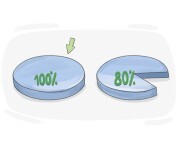
a tendency or predisposition to favor something over other options

preferință, înclinație
preferință, înclinație

Ex: His preference for morning workouts guided his schedule .

Preferința lui pentru antrenamentele dimineața îi ghida programul.

Închide
Conectare
absolute
absolute
[adjectiv]

complete and total, with no imperfections or exceptions

absolut, total

absolut, total

Ex: By surgically repairing the damage , the doctors were able to restore her vision to an absolute 20/20 .

Prin repararea chirurgicală a deteriorării, medicii au reușit să-i restabilească vederea la un absolut 20/20.

Închide
Conectare
to appeal
to appeal
[verb]

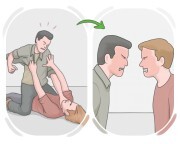
to attract or gain interest, approval, or admiration

atrage, plăcea
atrage, plăcea

Ex: The novel 's unique storyline and compelling characters appealed to readers of all ages .

Povestea unică a romanului și personajele captivante au atras cititori de toate vârstele.

Închide
Conectare
enemy
enemy
[substantiv]

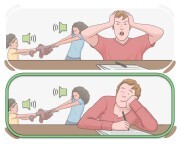
someone who is against a person, or hates them

inamic, adversar
inamic, adversar

Ex: He treated anyone who disagreed with him as an enemy.

El trata pe oricine nu era de acord cu el ca pe un dușman.

Închide
Conectare
to stand
to stand
[verb]

to be willing to accept or tolerate a difficult situation

suporta, tolera

suporta, tolera

Ex: The athletes had to stand the grueling training sessions to prepare for the upcoming competition .

Atleții au trebuit să îndure sesiunile epuizante de antrenament pentru a se pregăti pentru competiția viitoare.

Închide
Conectare
to captivate

to attract someone by being irresistibly appealing

fermeca, captiva

fermeca, captiva

Ex: The adorable antics of the kittens captivated the children , bringing joy to their hearts .

Festele adorabile ale pisicilor i-au fermecat pe copii, aducând bucurie în inimile lor.

Închide
Conectare
to detest
to detest
[verb]

to absolutely hate someone or something

a detesta, a urî

a detesta, a urî

Ex: We detest dishonesty and value truthfulness and integrity.

Detestăm necinstea și apreciem veridicitatea și integritatea.

Închide
Conectare
to long
to long
[verb]

to strongly want something, especially when it is not likely to happen soon

tânji, dori intens

tânji, dori intens

Ex: They longed for success in their new business venture .

Ei tânjeau după succes în noua lor afacere.

Închide
Conectare
to loathe
to loathe
[verb]

to dislike something or someone very much, often with a sense of disgust

detesta, urî

detesta, urî

Ex: She loathes the idea of working late on weekends .

Ea urăște ideea de a lucra până târziu în weekend.

Închide
Conectare
LanGeek
Descarcă aplicația LanGeek