
Bokabularyo para sa IELTS (Pangkalahatan) - Mga Gusto at Hindi Gusto
Dito matututunan mo ang ilang mga salitang Ingles tungkol sa paggusto o hindi paggusto sa mga tao o bagay, tulad ng "passion", "misogynist", "detest", atbp., na kailangan para sa IELTS.
Repasuhin
Flashcards
mga anyo
Pagbaybay
Pagsusulit


to love and respect someone very much

sambahin, mahalin nang labis
Idolo niya ang kanyang lola dahil sa kanyang karunungan at kabaitan.

to make someone satisfied or happy
bigyang-kasiyahan, pasayahin

a strong feeling of dislike toward someone or something
pagkasuklam, pagkayamot
Sa kabila ng kanyang pag-ayaw sa mga pelikulang katakutan, kinumbinsi siya ng kanyang mga kaibigan na manood ng isa sa movie night.

having a particular liking or preference for someone or something
may kinikilingan, mahilig

a very strong emotion or feeling, such as love, anger, hatred, or enthusiasm
pasyon, damdamin

having a strong enthusiasm, desire, or excitement for something or someone
masigla, masigasig

to not like someone or something
hindi gusto, ayawan

to hate and have no respect for something or someone
hamakin, mapoot
Siya ay napopoot sa mga bully at tumatayo para sa mga inaapi.

a strong feeling of distaste for someone or something
pagkasuklam, pagkadiri
Ang tanawin ng nabubulok na pagkain sa ref ay puno siya ng pandidiri.
an unfair and unreasonable opinion or attitude formed without sufficient knowledge or consideration
pagkiling, prehuwisyo
the act of opposing or refusing to accept something one disapproves of or disagrees with
paglaban, pagtutol
(always negative) to tolerate someone or something
tiisin, pahintulutan
Hindi niya matagalan ang kayabangan ng bagong manager, na nagdulot sa kanya na isipang maghanap ng trabaho sa ibang lugar.
a strong feeling of hatred, opposition, or hostility
antipatya, pagkamuhi
Nakaramdam siya ng malalim na antipatya sa bagong patakaran.
a deep feeling of anger and dislike toward someone because of what they did in the past
galit, hinanakit
May galit pa rin siya sa kanyang kasamahan dahil sa pagkuha ng kredito sa kanyang trabaho.
someone who despises women or assumes men are much better
misogynist, lalaking supremo
Ang kanyang pag-uugali sa opisina ay nagbunyag ng kanyang tunay na kulay bilang isang misogynist.
to treat someone better than someone else, especially in an unfair manner
paboran, bigyan ng espesyal na pabor
having a tendency to do something
hilig, nakahilig
Siya ay nakahilig na maniwala sa pinakamabuti sa mga tao, kahit na ang iba ay may pag-aalinlangan.
more desirable or favored compared to other options
mas mainam, mas kanais-nais
Ang pagkuha ng magandang ruta ay mas mainam kaysa sa haywey para sa isang relaks na pagmamaneho.

a tendency or predisposition to favor something over other options
kagustuhan, pagkahilig
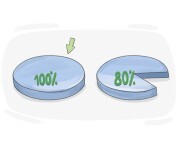
complete and total, with no imperfections or exceptions
ganap, lubos

to attract or gain interest, approval, or admiration
akit, magustuhan

someone who is against a person, or hates them
kaaway, kalaban

to be willing to accept or tolerate a difficult situation
tiisin, matagalan

to attract someone by being irresistibly appealing
mabighani, akitin
Ang nakakaakit na melodiya ng musika ay nabihag ang lahat sa silid.
to absolutely hate someone or something
ayaw na ayaw, nasusuklam
Siya ay nasusuklam sa mga gagamba at takot na takot sa kanila.

to strongly want something, especially when it is not likely to happen soon
magnasa, panabik
to dislike something or someone very much, often with a sense of disgust
ayaw na ayaw, nasusuklam
Siya ay napopoot sa broccoli at tumangging kainin ito.
